Gardenia (Gardenia jasminoides Extract)
Products with Gardenia (Gardenia jasminoides Extract)
 Tropical Body Care Upgrade
Coconut Oil Formula Body Lotion
Palmer's modernized, plant-oil-forward body lotion that trades the classic cocoa butter identity for a tropical coconut experience. The cleaner ingredient list (no mineral oil, no dyes) and richer botanical blend make it the more polished Palmer's option, though the fragrance allergens and comedogenic coconut oil keep it from being universally suitable.
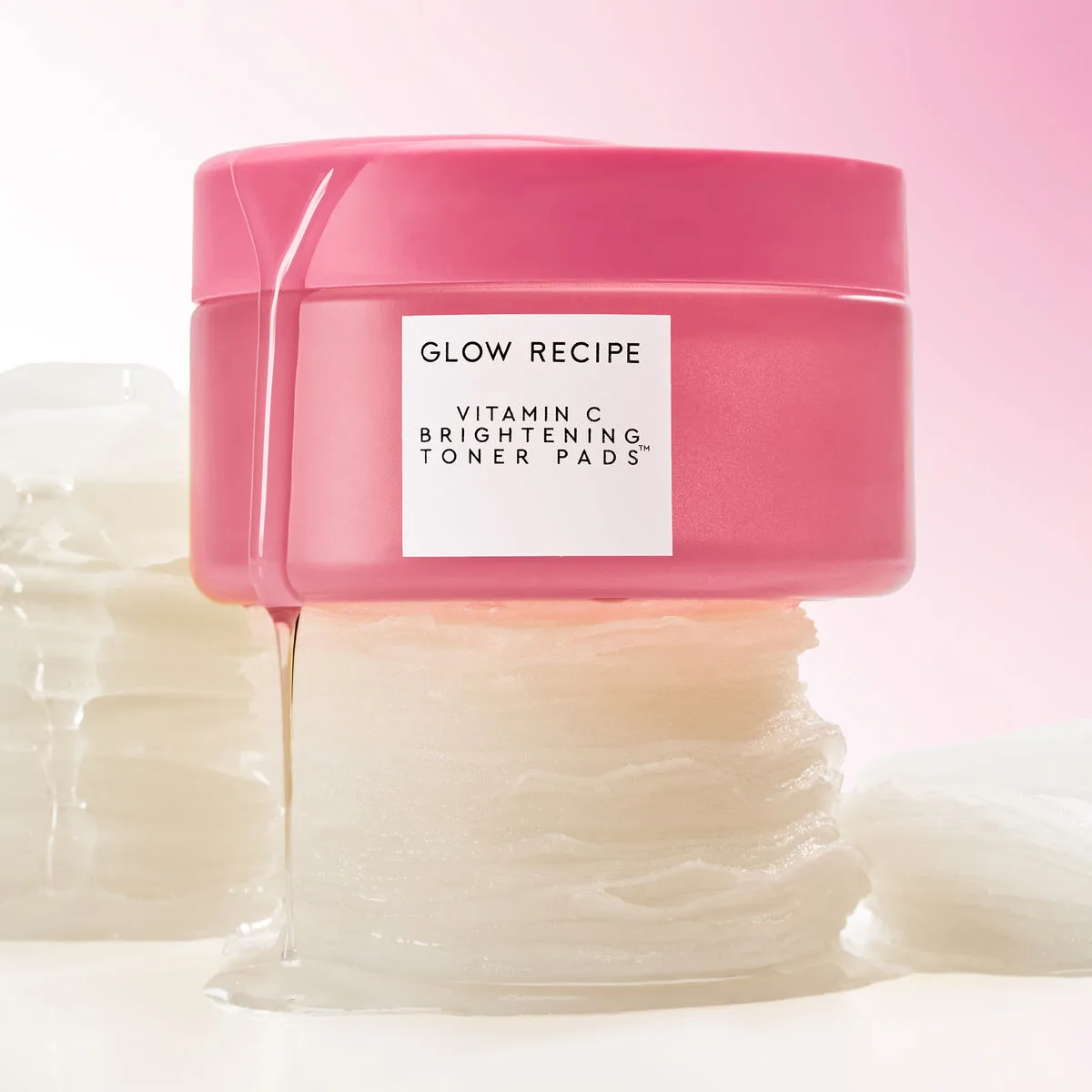 Multi-Vitamin C Korean Toner Pad
Vitamin C Brightening Korean Toner Pads
Glow Recipe's Vitamin C Brightening Pads stack five vitamin C forms with niacinamide, glutathione, ceramide NP, and guava extract in a fragrance-free eye-safe pad delivery. Sophisticated multi-vector brightening at 30 dollars for 60 pads — strong K-beauty pad pick for hyperpigmentation and dullness concerns.
 Perfumed Salon Clay Mask
Flower & Tonic Mask
A soft kaolin-and-zinc clay mask in an oil-and-wax phase that mattifies without cracking and suits drier skin, which is genuinely unusual, wrapped in the heaviest fragrance roll-call in the brand's mask range: ten declared allergens including EU-banned lilial, plus a formaldehyde releaser, parabens, beeswax and wheat starch. A pleasant weekly clay for resilient skin, and one of the worst choices in the line for the sensitive skin its floral name attracts.
 Sensitive-Skin Pad Pick
Cera-nol Gel Toner Pads
The toner pad for people who have sworn off toner pads: fragrance-free, alcohol-free, acid-free, with allantoin fourth on the list and a cold gel that settles a flushed face in minutes. It is a superb soother and a decent hydrator; the ceramides and panthenol that name it are present in amounts that name it and not much more, so pair it with a real barrier cream.
 Collagen Science Pioneer
Correct Firming Collagen Booster
A genuinely sophisticated anti-aging serum from the brand that discovered AHAs, addressing collagen loss through three complementary pathways: peptide signaling, matrix reinforcement, and collagen protection. The science is real, but the alcohol and essential oils are puzzling choices from a dermatology-rooted brand.
 Lancer Method Flagship
The Method: Nourish Moisturizer
The flagship cream in Dr. Lancer's Beverly Hills lineup, built around a Matrixyl 3000 peptide core in a rich shea butter base. It's a sensory-forward anti-aging moisturizer with real formulation substance, though the fragrance content and prestige pricing are the predictable caveats.
 Collagen Science Pioneer
Firming Collagen Booster Serum
A scientifically grounded collagen serum from the brand that literally invented hydroxy acid skincare. The triple-mechanism formula with patented NeoGlucosamine, Matrixyl 3000, and collagen precursor amino acids delivers real firming results over time — but the denatured alcohol and essential oils feel like an outdated formulation choice for a brand this smart.
The full gardenia (gardenia jasminoides extract) guide
The flower may be what your grandmother kept in a ceramic vase, but the skincare story belongs to the fruit.
Gardenia jasminoides fruit (Gardeniae Fructus, or Zhi Zi) has been used in East Asian herbal traditions for centuries, and the phytochemistry behind those uses is now drawing genuine research interest. The fruit is rich in iridoid glycosides such as geniposide and in crocin carotenoid pigments — compounds that appear to interact with skin-barrier proteins, inflammatory signaling, and oxidative stress. A 2025 randomized, double-blind trial in sensitive-skin volunteers reported reduced transepidermal water loss and lower stinging response, which is unusually direct human evidence for a botanical at this stage.
How it's regulated in the US
FDA does not classify ingredients — it classifies products, by what they are sold to do. The same molecule can be a drug active in one product and a cosmetic ingredient in the next, and only the claim on the label decides which. What follows is a statement about that legal standing, not about whether it works — the evidence question is answered separately above.
Cosmetic Gardenia (Gardenia jasminoides Extract) is a cosmetic ingredient in the US: no OTC monograph covers it and it is not an active in any FDA-approved drug, so a product built around it is a cosmetic rather than a drug.
Gardenia's evidence sits in the promising tier: a body of in vitro and animal work supports anti-inflammatory and barrier-supporting activity, and a single 2025 randomized double-blind human trial (Molecules, 34 sensitive-skin subjects, 28 days) reported a roughly 21% drop in TEWL, a ~26% gain in stratum corneum hydration, and reduced lactic acid sting and erythema. Mechanistically, that trial used proteomics with molecular docking to propose that the fruit's iridoids bind the aryl hydrocarbon receptor (AHR), a pathway linked to the barrier proteins filaggrin, loricrin, and involucrin. A 2024/2026 Natural Products Research study on the GarPepair extract showed ZO-1 tight-junction upregulation in keratinocytes in vitro, and a 2022 mouse study found gardenia extract eased atopic-dermatitis-like inflammation through Th2 modulation and barrier restoration. The main gaps: much of the strongest human data is industry-sponsored and limited to one trial, and crocin's antioxidant role is documented largely in non-skin in vitro models. Independent, longer human trials in diverse populations remain absent.
How it works
The fruit of Gardenia jasminoides carries two compound families that appear to do different jobs in skin. The iridoid glycosides — chiefly geniposide and genipin-1-β-D-gentiobioside — are the more interesting from a barrier standpoint. Proteomics-plus-docking work suggests they bind the aryl hydrocarbon receptor (AHR), a transcription factor in keratinocytes associated with expression of filaggrin, loricrin, and involucrin. Those three proteins build the cornified envelope of the outer skin; when they run low, as in sensitive, eczema-prone, or environmentally stressed skin, the barrier leaks water and lets irritants through. The proposed effect is that gardenia's iridoids encourage the skin to reinforce that scaffolding, though the AHR mechanism is so far modeled and inferred rather than fully proven in human tissue. The second family, the crocins, are the carotenoid pigments behind the fruit's yellow-orange color and act as free-radical scavengers in laboratory antioxidant assays — relevant for blunting some of the oxidative load from UV and pollution that degrades collagen and feeds inflammation, with the caveat that most of this data comes from non-skin models. Beyond those, gardenia extract has shown reductions in inflammatory and Th2-associated cytokine signaling in cell and animal studies, and in a mouse model it eased atopic-dermatitis-like skin reactions. Taken together, the plausible modes of action are structural barrier support, antioxidant defense, and calming of inflammatory signaling — a useful combination, even if the human confirmation is still early.
Key benefits
- Linked to higher filaggrin and loricrin expression that reinforces the skin's barrier proteins
- Reduced transepidermal water loss in sensitive skin in a 28-day human trial (~21% lower)
- Lowered stinging and erythema response in reactive skin in the same trial
- Iridoid glycosides calm inflammatory and Th2-type cytokine signaling in cell and animal studies
- Crocin pigments scavenge free radicals in laboratory antioxidant assays
- Plausible support against UV-driven barrier and oxidative stress when paired with sunscreen
Concentration & usage
There is no established consumer-facing percentage for gardenia fruit extract, and the standardized fractions used in research aren't easy to translate to a serum dose. On the INCI list, look for "Gardenia Jasminoides Fruit Extract," "Gardeniae Fructus Extract," or "Gardenia Florida Fruit Extract" — the three most common cosmetic entries. Where it sits on the list is a rough proxy for dose: upper-middle third suggests a meaningful inclusion, while a spot near the bottom alongside fragrance and preservatives points to trace levels. Because the human evidence comes from a standardized gel rather than a generic extract, a product that names a characterized or standardized gardenia fraction is a more credible bet than one listing a vague "extract" far down the label. Trace amounts are unlikely to reproduce the barrier results seen in the trial.
Who it's for & who should be cautious
Who it's for
If your barrier is reactive or compromised — sensitivity, windburn, post-procedure redness, mild eczema tendencies, or skin that stings easily and flakes in winter — gardenia is worth a look, since the one human trial targeted exactly that profile. It also slots neatly into routines built around daily antioxidant defense from UV and pollution. Because its calming activity in studies reaches Th2-type immune signaling, it's a reasonable pick if your skin tends to react to fragrance, allergens, or environmental triggers rather than dryness alone — just treat it as a supporting player, not a cure.
Who should be cautious
Read the label if you're fragrance-sensitive: products that lean on gardenia's romantic name often add gardenia flower fragrance or gardenia absolute on top of the extract, and those floral materials are recognized contact allergens entirely separate from the fruit extract. The fruit extract itself has shown a clean tolerability profile in tested groups, but the slippage between "gardenia-scented" and "gardenia extract" is real and worth flagging. There's also little reason to chase it as a novelty if your barrier is already stable and well-supported — it's a targeted fix, not a must-have for every routine.
Pairs with & conflicts
Myths & facts
Myth: Gardenia in skincare is just there to make the product smell nice.
Reality: Gardenia jasminoides fruit extract and gardenia fragrance/absolute are different materials. The fruit extract, listed as 'Gardenia Jasminoides Fruit Extract,' carries no significant scent and is included for its iridoid glycosides and antioxidant pigments. The floral smell in gardenia-themed products usually comes from separately added fragrance or gardenia absolute, not the extract.
Myth: Crocin in gardenia extract will tint your skin yellow.
Reality: Crocin is the carotenoid pigment that colors the fruit, but at the small amounts used in finished formulas any tint is negligible on skin — you'd spot the color in the bottle long before you'd see it on your face.
Myth: Because gardenia is a traditional botanical, there's no real clinical evidence behind it.
Reality: A 2025 randomized, double-blind trial in Molecules measured TEWL, hydration, and erythema in sensitive-skin subjects over 28 days and reported significant improvements. It's one industry-linked trial rather than a deep literature, so the honest read is 'promising early human data,' not proven across the board — but it's more rigorous than the marketing many botanicals get.
Frequently asked questions
Is gardenia fruit extract the same thing as the gardenia scent in a product?
No. They come from the same plant but are different materials. Gardenia jasminoides fruit extract is a functional ingredient rich in iridoid glycosides and crocins, with no meaningful smell in formulation. The floral scent comes from gardenia fragrance or absolute derived from the flower. If you're fragrance-sensitive, check whether 'fragrance' or 'parfum' also appears on the INCI list.
Could gardenia extract help eczema-prone or easily irritated skin?
The early signals are encouraging: animal and cell studies show gardenia extract dampening Th2 cytokines (overactive in atopic dermatitis) and supporting filaggrin and loricrin, and a 2025 human trial reduced TEWL and stinging in sensitive subjects over 28 days. It's a reasonable addition to a barrier-first routine, but it doesn't replace prescription eczema treatment.
How long before gardenia extract shows results?
The human trial measured improvements at 28 days, so a month of consistent use is a fair minimum for barrier-related benefits. Any antioxidant contribution from crocin is more about cumulative protection than a visible overnight change, so think slow and steady rather than instant.
Does gardenia extract brighten or fade dark spots?
Not really as a primary brightener. The evidence for direct brightening is thin next to dedicated actives like niacinamide or alpha-arbutin, and gardenia isn't a tyrosinase inhibitor. By easing UV-related inflammation it may support a more even tone over time, but it shouldn't anchor a hyperpigmentation routine.
Is gardenia extract safe to use during pregnancy?
There's no pregnancy-specific data on topical gardenia extract, and its traditional medicinal use (Zhi Zi) involves oral dosing — a very different exposure. The topical extract has shown a clean safety record in tested groups, but since the iridoid genipin is biologically active, anyone who prefers caution should run it past their healthcare provider.