Emollients
Products with Emollients
 Errand-Day Body SPF
Daily Hydration Lotion with SPF 15
A fragrance-free body lotion with a real, label-verified SPF 15 that suits forearms, hands and neck on ordinary days, and a weaker moisturiser than its name suggests: the sunflower oil and petrolatum of the plain version are gone, and four chemical filters on a glycerin base are what you get. Good for errand-day protection from a trusted pharmacy brand; not enough SPF for the sun and not enough lotion for dry legs.
 The SPF the Line Was Missing
Element Defense Moisturizer with SPF 45 for Men
This is the product the rest of Brickell's moisturizer lineup was missing: genuine sun protection. It's a broad-spectrum mineral SPF 45 — 20% zinc oxide — in a fragrance-free, hydrating base that doubles as a daily moisturizer, and it's gentle, sensitive-skin-friendly, pregnancy-appropriate, and reasonably priced. The trade-offs are the honest ones every all-mineral sunscreen carries: a potential white cast, more noticeable on deeper skin tones, and a heavier feel than a chemical formula. Applied generously every morning, it's one of the most genuinely valuable products the brand makes — daily SPF is the single best thing you can do for your skin, and this makes it easy.
 Face-and-Body Vitamin C Lotion
Vitamin C Lotion 15%
A pleasant, moderately-rich face-and-body lotion in a generous 8 oz size — versatile, affordable, and comforting, with a nourishing shea-and-oil base and soothing botanicals. But like the brand's vitamin C cream, it's really a moisturizer with the disclosed vitamin C (SAP) buried mid-list, so the '15%' brightening framing overstates a modest, low-placed active. It's a nice everyday hydrator; just don't expect meaningful vitamin C brightening from it, and note the comedogenic isopropyl palmitate for acne-prone facial skin and the geranium fragrance. Buy it for all-over moisture, and get vitamin C from a serum.
 Proper SPF 50, Done Right
Daily Face Lotion SPF 50
This is Marlowe at its best, and a genuinely good product: a real broad-spectrum SPF 50 daily face lotion — proper high-level protection, not the token SPF 15 in many men's lotions — that's fragrance-free, hydrating (aloe, shea, cocoa butter), water-resistant for 80 minutes, and leaves no white cast, blending cleanly into skin and facial hair. It doubles as a morning moisturizer, which makes it an easy daily SPF to actually wear. The main considerations are the chemical filters (including homosalate, fine for most but not everyone), a premium price for a small tube, and cocoa butter that very acne-prone skin should note. For wearable, high-level daily sun protection, it's one of the better men's options and easily the standout of the Marlowe range alongside the No. 129 cleanser.
 Full-Ratio Barrier Bargain
Ceramide Cream 10000ppm
A genuine barrier-repair cream where most 'ceramide' creams are marketing — the complete five-ceramide set plus cholesterol and phytosphingosine at a disclosed 1%, the proper skin-identical lipid ratio barrier science actually requires, vegan and fragrance-free for twenty-two dollars. Only the trace citrus oils keep it from a perfect tolerance run; for retinoid-wrecked and deep-dry skin, this is the franchise's best over-delivery and one of the catalog's barrier bargains.
 Cheap, Light, Fast-Absorbing
Maximum Hydration Nourishing Lotion
Nivea Men's 3-in-1 Nourishing Lotion is a cheap, big-bottle everyday body and hand lotion whose real appeal is a light, fast-absorbing, genuinely non-sticky feel — the thing that gets men who hate lotion to actually use it. It hydrates decently with glycerin, aloe, and dimethicone, and it's paraben-free. The honest limits: like other 'Maximum Hydration' Nivea Men products, it contains denatured alcohol and fragrance that trend drying and undercut the name, it's a light lotion rather than an intense one, and the comedogenic isopropyl palmitate makes it less ideal on oily faces. Good value for light daily hydration; reach for a richer cream if your skin is very dry.
 Iconic Dry-Skin Workhorse
Creme
The men's version of Nivea's legendary tin creme is exactly what it appears to be: a cheap, iconic, intensely-moisturizing occlusive cream that's genuinely excellent on dry hands, body, and dry patches, and lasts ages since a little goes a long way. Built on glycerin, mineral oil, waxes, and fatty acids, it seals in moisture powerfully. The honest limits are that it's heavy and occlusive — too rich for oily or acne-prone facial skin, where it can clog pores — and it contains fragrance, geraniol (an allergen), and a paraben. Matched to its job, it's one of the best-value dry-skin and hand creams there is; used on an oily face, it's the wrong product.
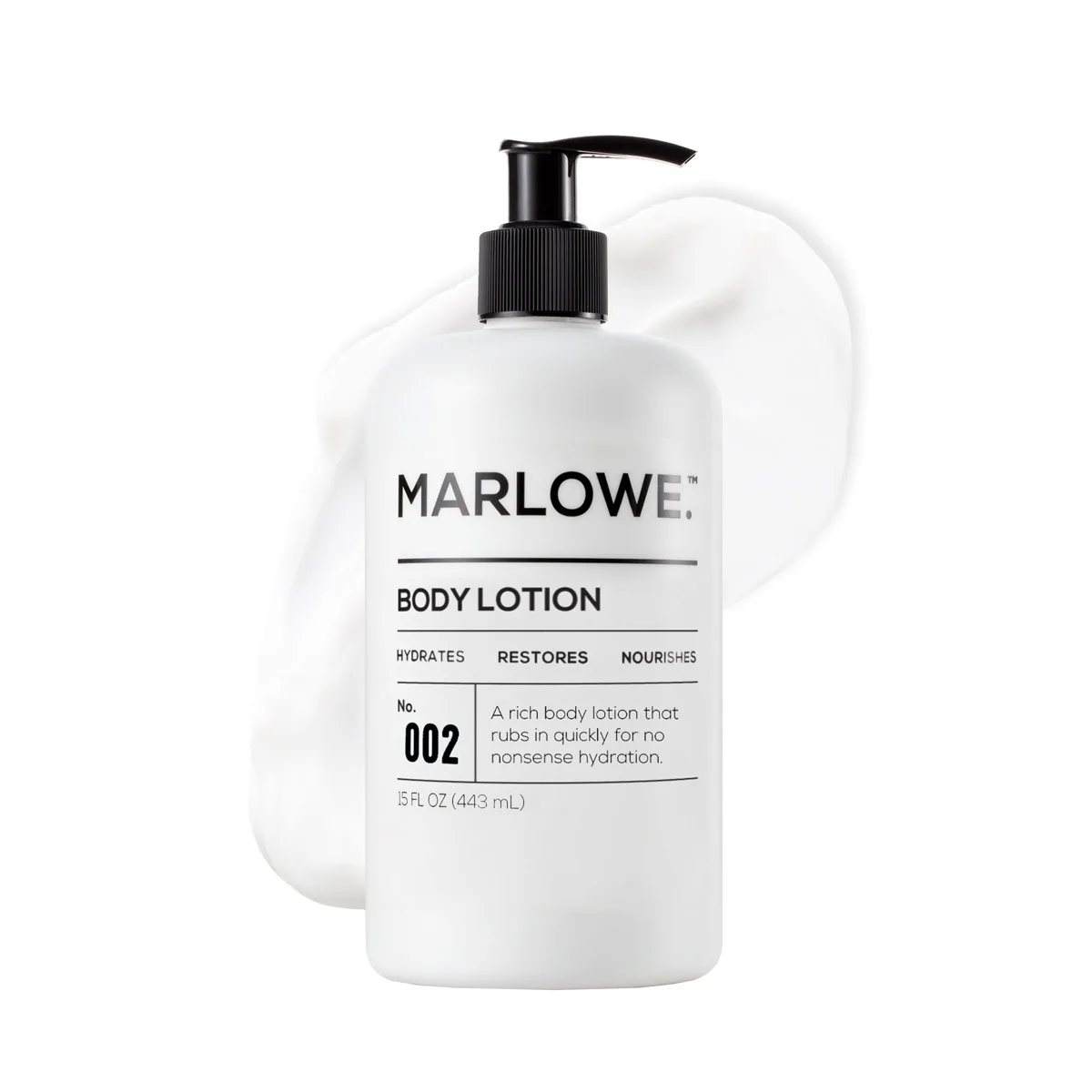 Light, Fast, Comedogenic Base
Body Lotion
Marlowe's body lotion is a decent, cheap-per-ounce everyday hydrator whose real strength is a genuine amino-acid moisture complex — skin-identical amino acids that mimic the skin's natural moisturizing factor — plus aloe, in a light, fast-absorbing, non-sticky formula and a big-value bottle. That hydration is legitimate, not marketing. The catch is the familiar one: its 'oil-free' label doesn't mean non-comedogenic, since isopropyl palmitate, a pore-clogging ester, is its second ingredient — a real consideration for body-acne-prone skin — and it's fragranced. Good value for light daily body and hand hydration on skin that isn't breakout-prone; a questionable pick for bacne-prone skin, which should choose a non-comedogenic option.
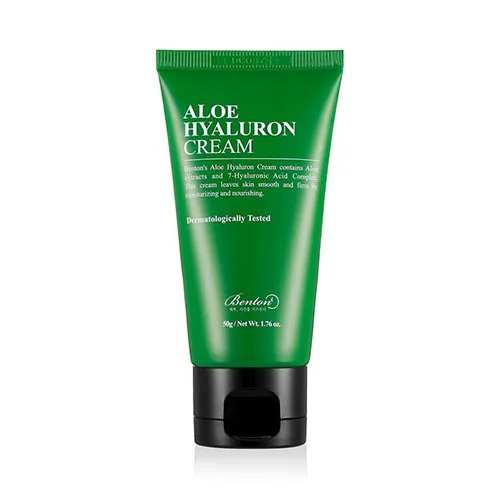 Bland-Cream Benchmark
Aloe Hyaluron Cream
The bland cream as deliberate achievement: aloe water in first position, seven hyaluronate forms modernizing the founding plant, fragrance-free to Benton's unbroken discipline, and engineered to be reliably uneventful on retinoid nights, flare weeks, and every skin type that needs uneventful. Twenty dollars, vegan, three-season honest — deep winter borrows an oil, and nothing else about this jar requires a footnote.
 Gentle Asepxia Bar
Neutral Deep Cleansing Bar Soap
The gentle one. This neutral, fragrance-free Asepxia bar carries the same full-strength 2% salicylic acid as the brand's harsher soaps but rebuilds the base around emollients and peach extract, so it treats acne with far less of the trademark Asepxia sting. That makes it the only bar in the line genuinely suited to sensitive and combination skin. It's still a true soap and contains mineral oil, but as an affordable, tolerable daily acne cleanser, it's the smartest pick of the family for most people.
 Baking Soda Acne Bar
Acne Bar Soap with Baking Soda and Salicylic Acid
A gentle, fragrance-free salicylic acid bar wearing a baking-soda badge that promises more than it delivers. The 1.8% salicylic acid does the real acne work, while the sodium bicarbonate mostly adds a fresh, lightly oil-absorbing feel on top of a base nearly identical to Asepxia's comfortable neutral bar. For oily and combination skin it's a pleasant, affordable everyday cleanser — just don't buy it expecting the baking soda to be the hero. It's a solid salicylic acid soap with a marketing hook.
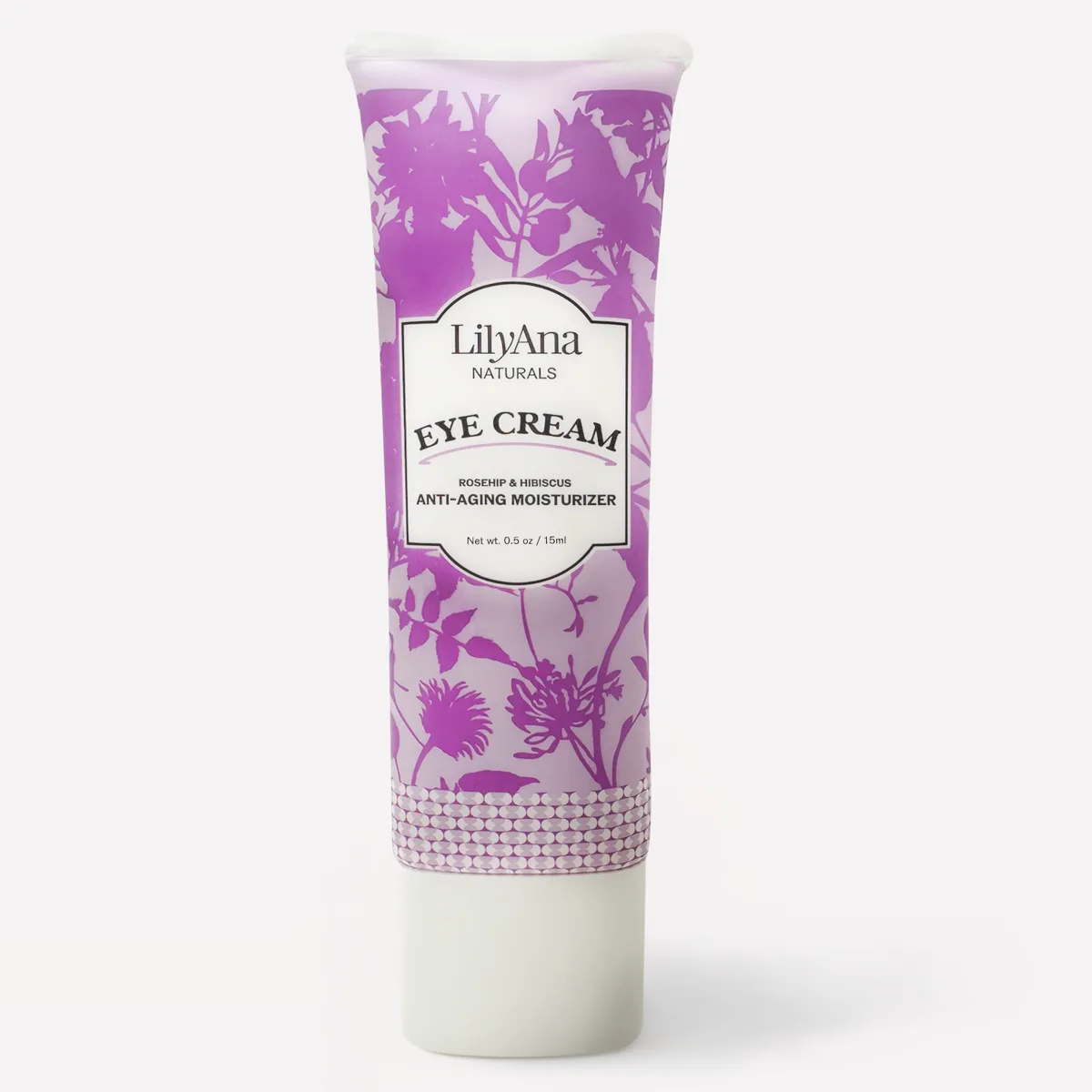 Gentle Trial-Size Eye Cream
Little Lily Eye Cream
LilyAna's original botanical eye cream in a 0.5 oz travel-and-trial mini — a gentle, fragrance-free rosehip-and-hibiscus hydrator that's genuinely comfortable but lacks the caffeine, peptides, or retinol needed to actually address the puffiness and dark circles it advertises. As a soft, soothing eye moisturizer for sensitive skin it's fine, and the mini is a low-stakes way to trial or travel with it. Just know per ounce it costs more than the full jar, and if you want targeted results, the brand's caffeine or retinol eye creams are the smarter picks.
 Nourishing Everyday Lip Balm
Tell All Lip Balm
Tell All is a genuinely nourishing everyday lip balm that leans on quality butters and oils instead of cheap petrolatum. Its base — shea, mango, and cocoa butters plus olive, jojoba, and moringa oils, sealed by plant waxes and boosted with vitamin E — conditions and protects dry lips well, feeling richer and more caring than a basic waxy stick. It comes in pleasant flavors (this being coffee), lightly sweetened, and it's affordable. The honest caveats are that it's flavored (a minor issue for very sensitive lips), has no SPF, and is a small size. But as a comfortable, richly moisturizing daily and overnight balm made with nice ingredients at around $9, it's a solid, budget-friendly pick that does the basics genuinely well.
 Glass-Skin Lip Pick
Glass Balm Lip Treatment
A glossy, cushiony lip balm that nails the mirror-shine glass finish without the sticky drag of a traditional gloss, while hyaluronic microspheres and an occlusive base keep lips genuinely comfortable. It's more hydrating-gloss hybrid than intensive treatment, and the added fragrance and need for reapplication are the main caveats. For shine-plus-care in one swipe, it delivers.
 Sensitive-Skin Mineral SPF
Daily Face Sunscreen SPF 30
Quietly one of the brand's best-formulated products: a gentle, cosmetically elegant 100%-mineral SPF 30 built on 10% zinc oxide with a genuinely thoughtful base — kakadu plum and grapeseed antioxidants, hyaluronic acid, panthenol, and modern emollients that help it spread and absorb. It's excellent for sensitive and rosacea-prone skin and far more wearable than old-school zinc pastes. The honest caveats: 10% zinc puts it at solid SPF 30 rather than high, it can leave a slight cast, and, like all mineral sunscreens, it needs generous, even application to deliver. A comfortable, sensible daily face SPF.
 Alcohol-Free Post-Shave Soother
Original Aftershave Balm
A soothing, alcohol-free post-shave balm that does the genuinely useful thing for freshly-shaved skin — calms and rehydrates it with aloe, allantoin, and panthenol, without the sting and dryness of old-school alcohol splashes — at a low price, and vegan. It's a real improvement on traditional stinging aftershaves. The honest notes: it's essentially a soothing light moisturizer marketed for post-shave (so you don't need a separate face lotion), and it's fragranced, which can sting nicked skin and rules it out for very sensitive users. For most men wanting a comfortable, affordable post-shave soother, it's an easy pick.
 Light Feel, Pore-Clogging Base
Facial Moisturizer
Marlowe's No. 123 moisturizer is a cheap, lightweight daily hydrator that does the basics fine — glycerin and aloe for hydration, a fast-absorbing non-greasy feel, and a cleaner preservative system (no MI/MCI) than the brand's No. 121 wash. But it has a genuine mismatch: its second ingredient is isopropyl myristate, a notably comedogenic ester, so despite the light feel it can clog pores on the oily and acne-prone skin men's moisturizers are so often aimed at. It's also fragranced, with pixie-dusted botanicals. Fine as a basic moisturizer for normal or dry, non-breakout-prone skin; a questionable pick for oily or acne-prone skin, which is better served by a non-comedogenic option.
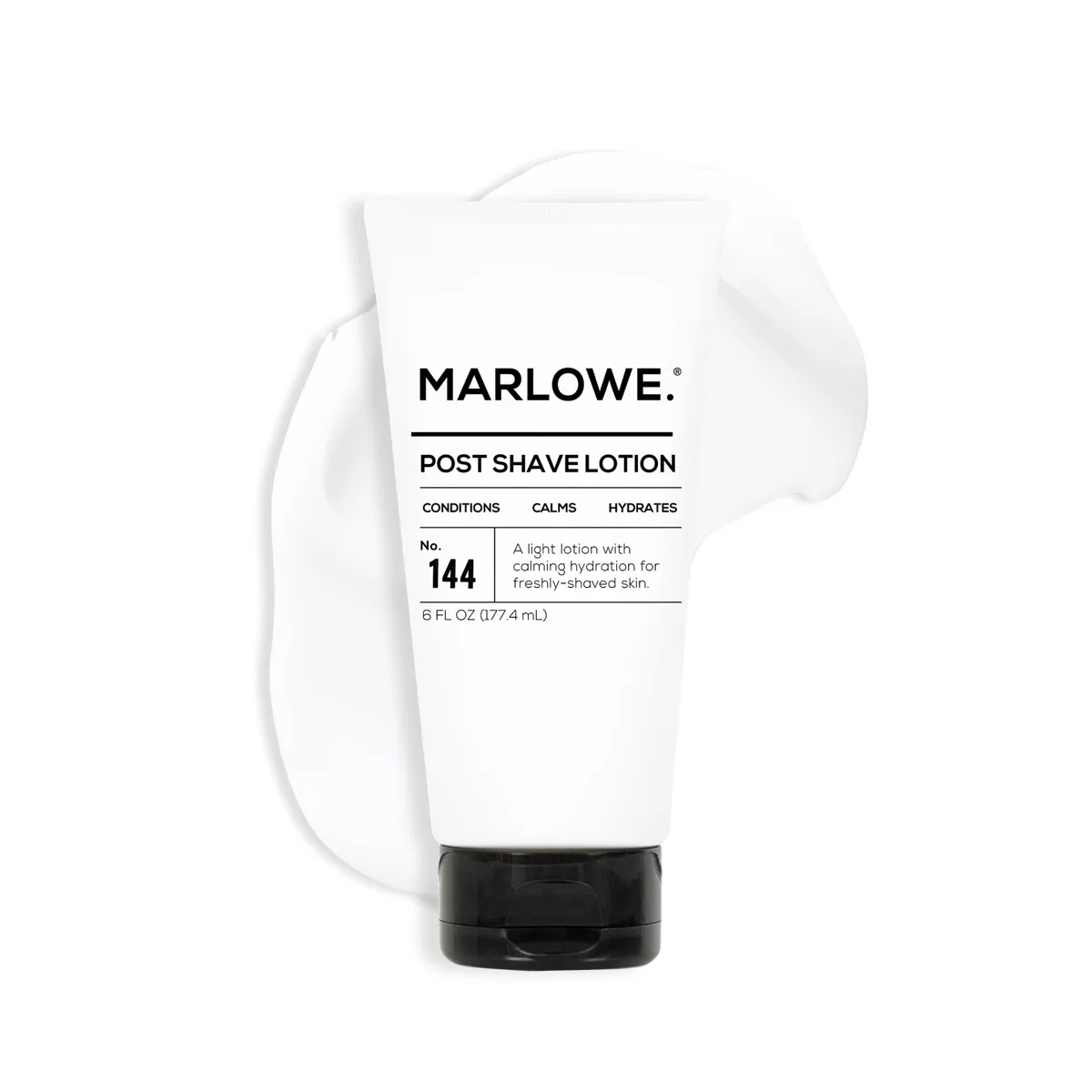 Alcohol-Free, Award-Winning
Post Shave Lotion
Marlowe's post-shave lotion is a genuinely good, GQ-awarded product and one of the better things the brand makes. It's free of drying alcohol, so it soothes freshly-shaved skin instead of stinging it, and it's lightweight, non-comedogenic, and hydrating (glycerin, sodium PCA, panthenol) with a silica-mattified, non-greasy finish that oily skin especially likes. The one recurring catch is fragrance plus lemon peel oil and menthol on just-shaved skin, which makes it less ideal for truly reactive types and mildly photosensitizing from the citrus. For most men wanting a soothing, non-greasy, non-stinging post-shave lotion, it's a well-earned recommendation; fragrance-sensitive skin should choose a fragrance-free balm.
 Pink Gloss-Balm With a PDRN Lid
PDRN Lip Sleeping Mask
A glossy, softly pink, fragrance-free lip balm in a jar that seals the lips overnight and looks like candy glaze by day, sold with a PDRN name whose polynucleotide sits behind the food dyes on the list. As a balm it is genuinely pleasant and gentle; as a plumping treatment it is shine and hydration and nothing more. Nice, dear for ten grams, and not what the lid says.
 Rich Softening Lotion
Sekkisei Lotion Enriched
The richer, more hydrating version of Sekkisei's famous softening lotion — the watery first hydrating step of the routine — with added humectants and a touch of emollient for normal-to-dry skin, in a generous 360ml size. It softens and preps skin nicely in the line's herbal heritage. But it is alcohol-forward, fragranced, and carries no real treatment active, so it is a pricey, heritage-driven hydrating step rather than a powerhouse.
 Tinted Plumping Lip Treatment
DermInfusions Plump + Repair Peptide Lip Treatment Tint
The tinted sibling of the brand's plumping lip treatment, and a genuinely smart skincare-makeup hybrid: it lays sheer, buildable color over the same gentle plumping-and-repair formula — hyaluronic acid, a peptide, a mild vasodilator, and a nourishing oil-and-humectant base. So you get flattering everyday tint, a gentle non-stinging plump, and real lip care in one swipe, without the drying tightness of typical lip stains. The premium-for-a-tint price and a mild tingle are the caveats, but as color that treats, it's a lovely, low-effort product.
 Everyday Lip Protector
Berry Lip Balm SPF 15
A well-made, comforting berry lip balm with a genuinely useful bonus: broad-spectrum SPF 15 on an area most people forget to protect. Its clean, organic base — beeswax, coconut and sunflower oils, shea, vitamin E — softens chapped lips nicely, and the sweet berry flavor is pleasant. The honest caveats are that SPF 15 is modest and, like all lip SPF, needs frequent reapplication to matter, plus it's not vegan (beeswax) and contains comedogenic coconut oil. As a nourishing daily lip balm with a little sun protection, it's a likeable, fair-value pick.
 Rich Botanical Balm
Vitamin C Cream
A deeply nourishing rich botanical balm that happens to be named a 'Vitamin C Cream' — but read the list and it's really a dense stack of ten-plus plant oils and butters, with the stable vitamin C (SAP) buried mid-list doing little brightening. For very dry skin in harsh weather, it's a comforting, affordable, plant-forward balm. For most other skin it's a poor fit: multiple comedogenic oils (coconut, cocoa butter) make it breakout-prone, it's fragranced with lavender and geranium, and the beeswax means it isn't vegan. Buy it for rich moisture on dry skin, not for vitamin C.
 Best-Selling Daily Staple
Daily Essential Face Moisturizer for Men
After a lineup of premium-priced washes and overstated 'actives,' Brickell's flagship moisturizer is the product that quietly justifies the brand — a genuinely solid, lightweight daily moisturizer with a well-rounded aloe, jojoba, and hyaluronic acid base that suits nearly every skin type, plus a proper unscented option for sensitive skin. It's the brand's best-seller for good reason. The honest caveats are small: it has no SPF, so a separate sunscreen is essential, the DMAE 'firming' claim is thin, and it's premium-priced. As a versatile, no-gimmicks daily moisturizer, it's a reliable, likeable pick — and the one Brickell product where the premium buys real everyday value.
 Hydrating Glossy Lip Serum
Talk Back Hydrating Lip Serum
Talk Back is a nourishing glossy lip serum that actually treats, not just shines. It pairs a genuine hydrating active — sodium hyaluronate to draw in and hold moisture — with conditioning oils (squalane, avocado, shea, pomegranate) and vitamin E, in a cushiony, high-shine, non-sticky formula. This 'Loud & Clear' version is fragrance-free and clear, good for sensitive lips or anyone who dislikes flavor. So it hydrates and conditions while giving a glossy finish, and the HA-plus-oils design means the moisture actually lasts. The honest caveats are the small size, no SPF, and that a serum is a lighter treatment than a heavy overnight balm. But as a hydrating, comfortable, glossy lip treatment at around $12, it's a lovely, well-made pick.
 Retinol Starter, Label Disclosed
Retinol Revive Serum
A silky, comfortable niacinamide lotion-serum that carries retinol at a printed 0.01 percent and retinyl palmitate at 0.1 percent, which is why it never irritates and why it rarely changes anything. Fine as a first, fear-free brush with the word retinol for under twenty dollars, with fragrance and peanut oil as real caveats. Anyone who wants what retinol actually does needs ten times the dose.
 Evidence-Based Silicone Scar Gel
Scar Master Silicone Scar Gel
A genuinely useful scar gel, because its foundation is silicone — the single most evidence-backed topical for improving the appearance of scars, which really does soften, flatten, and fade raised or discolored scars over months of consistent use. The catch is the marketing: the touted onion extract, emu oil, and vitamin E have weak-to-no scar evidence, and vitamin E can even irritate. So buy it for the silicone, which works, and treat the extras as filler. It's fragrance-free, wearable, and effective on the right scars with patience — just don't expect the 'boosters' to add anything.
 Gentle Next-Gen Retinoid
Liposomal Retinol Peptide Serum
A genuinely gentle, effective retinoid serum with a misleading name. Its 'retinol' is actually hydroxypinacolone retinoate (HPR) — a stable next-gen retinoid that binds skin's receptors directly, works without conversion, and causes far less irritation than retinol — paired with real peptides and hyaluronic acid, all at a notably low price. That gentleness makes it a great fit for sensitive or retinol-intolerant skin. The caveats: it isn't retinol despite the '2.5% retinol' branding, the base is silicone-heavy with comedogenic esters, and it's not pregnancy-safe. Judged as the gentle HPR serum it actually is, it's a smart, affordable pick.
 Petrolatum-Free Overnight Butter
Buttermask For Lips Overnight Treatment
A petrolatum-free, lanolin-free overnight lip mask built on a tacky plant adipate, three butters, three waxes and coconut oil, that leaves lips softer and smoother by morning and divides users on its gummy feel. Fragrance-free and gentle, well-suited to flaky rather than cracked lips, and priced at luxury levels for ten grams in a finger-dipped jar. Good at what it does; not the category's best value.
 Gentle Brightening Face Wash
Vitamin C Face Wash
A gentle, affordable, non-stripping glucoside face wash that cleanses comfortably and leaves skin soft — a pleasant everyday cleanser. But it's sold on brightening it can't really deliver: the kojic acid, vitamin C ester, and turmeric it markets need to stay on the skin to work, and a wash rinses off in seconds. It's also scented with grapefruit essential oil and added fragrance, so it isn't the fragrance-free pick. Judged as a gentle cleanser it's fine; judged as a brightening treatment it overpromises.
 Gentle Nourishing Cleanser
Anti-Aging Hydrating Retinol Face Wash
A gentle, nourishing, non-stripping glucoside cleanser with a nice oil blend that washes comfortably and leaves skin soft — a perfectly pleasant daily face wash. But its 'anti-aging retinol' billing is marketing a rinse-off can't cash: retinol needs leave-on contact to work, and a wash rinses off in seconds, so the retinol here does essentially nothing. It's also fragranced with carrot and kumquat essential oils. Judged as a gentle cleanser it's fine; judged as an anti-aging retinol product it's misleading. Cleanse with it, and get your retinol from a leave-on.
 Budget Retinol Eye Cream
Anti-Aging Retinol Eye Cream
A pleasantly sensible budget retinol eye cream — and, unlike the brand's plain eye cream, one that actually contains the relevant actives: retinol for fine lines, caffeine for puffiness and dark-circle shadow, real hyaluronic acid and niacinamide for hydration and tone, plus light-reflecting minerals for an instant brightening. It genuinely addresses multiple eye concerns at a low price. The undisclosed retinol dose, rose fragrance, and oil base (not fungal-acne safe) are the caveats, and like any retinol it's PM-focused and not pregnancy-safe. A genuinely reasonable budget eye cream.
 Gentle De-Puffing Pick
Caffeine Eye Cream
A gentle, retinol-free eye cream that sensibly splits the brand's eye lineup by concern — this one is built for puffiness and dark circles with caffeine and a peptide complex, plus niacinamide and real hyaluronic acid. It de-puffs and brightens immediately, firms gradually, and — being retinol-free — is usable in daytime, on sensitive skin, and during pregnancy. Doses are undisclosed and $30 for one ounce runs a little high, but the actives are genuinely relevant and it's exceptionally easy to tolerate. A solid, gentle pick for tired eyes.
 Fragrance-Free Oil Absorber
Purifying Charcoal Face Mask for Men
Brickell's clay-and-charcoal mask does something genuine — its kaolin and bentonite clays really do absorb excess surface oil, leaving oily skin matte, clean, and refreshed — and it earns real points for being fragrance-free and buffered with aloe so it doesn't over-strip. The honest framing is that the 'draw out impurities/detox' claim overstates simple oil-absorption, the effect is temporary as skin rebuilds sebum, and at $35 for 4 oz it's premium for a benefit any kaolin mask provides. As a gentle, fragrance-free weekly oil-control treat for oily and combination skin, it's a likeable pick; just buy it for what clay actually does, not the detox story.
 Real Retinol, Gentle Dose
Retinol Face Moisturizer Cream for Men
Brickell's retinol night cream earns real credit for one thing that matters: it uses genuine retinol, not the watered-down retinyl-palmitate ester many 'natural' brands hide behind, buffered in a rich, forgiving base that makes it beginner-friendly. But transparency lets it down. The retinol concentration is undisclosed and clearly modest, the marketed 'hyaluronic acid' is actually tara gum (a plant thickener, not real HA), the peptides look pixie-dusted, and it contains propolis. At $40 for 2 oz it's premium for a gentle, gradual result. A sensible, low-irritation way to ease into retinol — just don't expect the 'dramatic' change the label promises, and see through the HA claim.
 Rich Night Cream, Real HA
Revitalizing Anti-Aging Cream for Men
Brickell's Revitalizing cream is a genuinely good rich night cream wearing an overstated anti-aging story. The substance is real: actual sodium hyaluronate (not the tara gum the brand relabels as 'HA' elsewhere), antioxidant rooibos, green, and white teas, and quality rosehip and evening primrose oils make it deeply nourishing for dry, mature skin. But its headline active is DMAE, whose 'tightens facial muscles' claim has thin scientific support, and there's no retinoid or proven wrinkle-reducer here. At $40 for 2 oz it's premium. Buy it as an excellent nourishing moisturizer with antioxidants — which it is — not as the wrinkle treatment its name promises, and pair it with a real retinol and sunscreen.
 Gentle No-Rinse Cleanse
Magic Melt Micellar Milk
Bubble's Magic Melt is a genuinely gentle, well-formulated micellar cleansing milk — a hybrid of a micellar water and a light cleansing milk that removes makeup, sunscreen, and grime without water. It uses mild, sugar-derived glucoside micelle surfactants plus soothing oat extract, light makeup-dissolving oils (meadowfoam, raspberry seed), and glycerin, all fragrance-free. The milky format makes it more effective at makeup removal and more hydrating than a plain micellar water, which suits sensitive and dry skin especially. The usual caveats: micellar cleansers are best rinsed for a thorough clean (and followed by a wash after heavy makeup), and it isn't fungal-acne safe. For a gentle, hydrating makeup remover and soft everyday or travel cleanse at an affordable price, it's a smart, easy recommendation.
 Citrus-Hour Evening Ritual
Clean It Zero Mandarin-C Cleansing Balm Brightening
The franchise's leanest tier: twelve ingredients, vegan papers, the famous melt, and a statement mandarin oil at a printed 1.6% that is simultaneously the best scent in the line and its narrowest tolerance gate. The vitamin C is a label courtesy, the brightening is clean skin's own, and at twenty-five dollars the honest transaction — great removal, great minute, no treatment — remains the category's best deal for the skin that can wear citrus.
 Lightweight Mineral SPF
All-Physical Lightweight Wrinkle Defense Broad Spectrum Sunscreen SPF 30
An excellent lightweight 100% mineral daily face sunscreen: a high 16% zinc oxide plus titanium dioxide give genuine broad-spectrum SPF 30, and — unusually for a fully mineral formula — it spreads sheer and elegant rather than thick and chalky. A real antioxidant complex adds photo-aging defense beyond the SPF, and it's fragrance-free and soothing enough for the most sensitive skin. A possible faint cast on the deepest tones and a premium price are the only meaningful caveats; as a daily mineral SPF, it's a standout.
 Budget Beginner Retinol
Retinol Cream
An affordable, gentle beginner retinol in a nourishing botanical-oil base — a genuinely easy and inexpensive way to ease into retinol, and a longtime Amazon bestseller for good reason. It hydrates well, rarely over-irritates, and won't break the bank. But it's worth going in clear-eyed: the retinol dose is undisclosed and likely low, some of the 'natural' marketing (like 'botanical hyaluronic acid') is more clever than accurate, and fragrant botanicals add a little irritation risk. A fine value starter retinol, so long as you take the label with a grain of salt.
 Pregnancy-Safe Firming Pick
Bakuchiol Face Lift Cream
Easily one of the brand's most sensible products: a gentle, genuinely useful anti-aging cream built around bakuchiol — a pregnancy-safe retinol alternative — plus a peptide complex and real hyaluronic acid. The 'face lift' name is pure hyperbole (no cream lifts) and the bakuchiol dose is undisclosed, but the actives are relevant, it's broadly suitable and easy to tolerate, and at a budget price the value is strong. A rare firming option safe for pregnancy, and a legitimately good buy taken for what it actually is.
 Clay Mask With a Real Active
Come Clean Detox Clay Mask
Bubble's Come Clean is a smarter clay mask than the category norm, because it does more than absorb oil. Dual clays (kaolin and montmorillonite) mattify and soak up excess sebum, but the standout is azelaic acid — a genuinely effective active that fights acne-causing bacteria, calms redness (useful for rosacea-prone skin), and fades post-acne marks and uneven tone. It's buffered with high-linoleic grape seed oil and glycerin so it's less drying than a bare clay mask, plus soothing calendula and neem, all fragrance-free. So it treats rather than just mattifies. The 'detox' name overstates what clay does, and it's rich (not fungal-acne safe), but for oily, breakout-prone, or redness-prone skin, a clay mask with a real active is a smart, worthwhile pick — and the azelaic acid is even pregnancy-safe.
 Castless Zinc Tint
SPF 30 Mineral Sunscreen Facial Serum
TruSkin's fix for its own white-cast problem: 16 percent zinc in a shakeable, serum-thin fluid with iron oxides that erase the chalk and add visible-light protection worth having for melasma. It is sheer, comfortable and genuinely castless on most skin, and it is also a one-ounce bottle at a serum price with a single shade and an SPF 30 ceiling — good enough to recommend, not enough to be the only sunscreen someone owns.
 Sensitive-Skin Sherbet Standard
Clean It Zero Calming Cleansing Balm
The world's most famous sherbet balm, recast for the skin its Original perfume excluded: the deepest cica deck in cleansing, a guaiazulene-blue tint that's chemistry rather than dye, vegan papers, and the same five-second melt and milky rinse that built the franchise — at twenty-two dollars. The essential-oil quartet is an unforced error in a sensitive-skin brief; everything else is the category's reference execution at half the prestige price.
 Winter Double-Cleanse Comfort
Clean It Zero Nourishing Cleansing Balm
The dry-skin tier of the world's default balm, rebuilt in 2024 as a six-ginseng hanbang showcase over the shea-and-safflower richness doing the actual work. The melt is franchise-standard, the rinse leaves winter skin conditioned instead of taxed, the vegan papers are new, and the open fragrance line is the one asterisk — at twenty-two dollars, the easiest rich-balm recommendation in the category.
 Trend-Driven Booster
Volufiline 100%
A pure, single-ingredient Volufiline booster riding the viral 'topical filler' trend — and the honest verdict is that it's gentle, pleasant, and almost certainly oversold. The plumping claims rest on limited, mostly manufacturer-derived evidence, and you're paying a notable price for a tiny 10ml bottle of one unproven active. Low-risk to try if you're curious; poor value if you expect real firming. Buy it for the experiment, not the promise.
 Adaptive Tint Pick
Tinted Lip Balm
A genuinely hydrating tinted balm that turns a flattering, moisture-reactive rosy flush over a cushioning macadamia-and-oil base — the rare lip color that conditions instead of drying. Sheer rather than bold and small for the export price, but as a fragrance-free, 'your-lips-but-better' everyday tint from an honest drugstore brand, it's an easy little pleasure.
 Rich Nourishing Night Cream
Hydrating Retinol Night Cream
A rich, genuinely nourishing fragrance-free night cream — shea, argan, avocado, evening primrose, and real hyaluronic acid make it a comforting overnight moisturizer for dry skin. The problem is the story around it: the headline '2.5% active retinol' is actually weak retinyl palmitate doing little, the 'breakthrough clinically-proven' complexes lean on brand-supplied claims, and it contains DMDM hydantoin (a formaldehyde-releasing preservative) and D4 silicone. Judged as a rich hydrating night cream, it delivers; judged by its anti-wrinkle marketing, it overpromises. Buy it for nourishment, not for the retinol claim.
 Best-Selling Charcoal Wash
Purifying Charcoal Face Wash for Men
Brickell's best-selling face wash, and a genuinely good one: a gentle, natural, sulfate-free cleanser with a nourishing aloe-and-oil base that cleans without stripping and suits most skin types, including drier skin — with a thoughtful unscented option for sensitive skin. The honest caveats are that its 'deep cleansing charcoal' claim overstates a cosmetic ingredient (rinse-off charcoal adsorbs a little surface oil but doesn't detox or deep-clean pores), and it's premium-priced relative to comparable gentle washes. As a quality, gentle everyday cleanse — especially the unscented version — it's a likeable pick, provided you don't pay for charcoal magic that isn't there.
 Fragrance-Free, Real Caffeine
Eye Cream with Vitamin C
Marlowe's eye cream is one of the more sensible products in the line and a genuinely reasonable men's eye cream. It's fragrance-free — the right call for the delicate eye area — and it uses real actives: caffeine to temporarily de-puff (which many men's eye products, including Nivea's, skip), a stable vitamin C for gradual brightening, and squalane for light hydration. That's a considered lineup. The honest limits are that its second ingredient is myristyl myristate, a comedogenic ester that can contribute to milia around the eyes in prone people, that no eye cream erases structural dark circles, and that it's premium for a small 0.5 oz tube. For fragrance-free de-puffing and gentle brightening, it's a decent pick.
 Richer Sekkisei Emulsion
Sekkisei Enriched Emulsion
The richer, gentler sibling of Sekkisei's classic emulsion: more moisturizing, notably lower in alcohol, and far more comfortable for normal-to-dry skin, while keeping the line's vitamin C brightening and herbal heritage. If the standard Sekkisei emulsion felt too drying, this is the one to reach for. It still carries fragrance and a prestige price, but it is the more wearable Sekkisei.
 Lipid-Rich Barrier Cream
Instant Angel Lipid-Rich Firming Moisturizer
A genuinely lipid-rich, fragrance-free barrier moisturizer that treats dryness at its source: a serious complex of skin-identical lipids — squalane, ceramide, phospholipids, phytosterols, and fatty acids — rebuilds the moisture barrier, humectants hydrate, and firming peptides add gradual anti-aging. It's deeply nourishing, gentle enough for sensitive and compromised skin, and transparently formulated by an indie brand that made disclosure its identity. The rich feel (too much for very oily skin) and fungal-acne incompatibility are the main caveats, but it's a standout barrier cream.
 Brighten-and-Hydrate Cream
Vitamin C Moisturizer
The cream counterpart to Baebody's vitamin C serum — the same disclosed, stable, gentle vitamin C (sodium ascorbyl phosphate) folded into a moisturizing shea-and-panthenol base, so you brighten and hydrate in one step. It's vegan and beginner-friendly, with gentle, gradual results rather than aggressive brightening. The trade-offs are an undisclosed concentration, comedogenic isopropyl palmitate, and fragrant geranium plus a little alcohol. If you want vitamin C and moisture in a single convenient step and don't need maximum potency, it's a sensible, fair-value pick; for stronger brightening, a dedicated serum gives more control.
 Antioxidant Daily Moisturizer
Age Defense Moisturizer
A pleasant, lightweight daily moisturizer with a mild 'age defense' angle — added antioxidant vitamin E and a few botanicals (millet, konjac, tannic acid) on the brand's fast-absorbing base, vegan and affordable. But be clear-eyed: the anti-aging actives are mild and unproven, with no retinoid or peptide, so it supports skin health rather than treating wrinkles. And most tellingly for an 'age defense' product, it has no SPF, when daily sunscreen is the single most important anti-aging step. It's also fragranced. As an antioxidant hydrator to pair with a real serum and sunscreen, it's fine; as a standalone anti-aging treatment, it overpromises.
 Fragrance-Free Rice Cleansing Oil
Keana Nadeshiko Rice Cleansing Oil
A light, fragrance-free Japanese cleansing oil that melts makeup and rinses completely clean, leaving dry skin soft instead of tight. The 'rice serum' of rice bran oil, ferment and glycosphingolipids is a pleasant supporting cast rather than the star. Dry and normal skin will love it; fungal-acne-prone skin should be cautious with the ester base.
 Lipstick-Prep Polisher
The Kissu Lip Scrub
The lip-scrub category's chronic design flaws — grit that over-buffs, bases that strip, flavors that invite licking — solved in one fragrance-free, dissolve-on-schedule formula that leaves lips conditioned and lipstick-ready. Twenty-eight dollars remains a luxury tax on a kitchen-solvable job, but as engineered versions of that job go, this is the one to beat.
 Gentle Plumping Lip Treatment
DermInfusions Plump + Repair Lip Treatment with Hyaluronic Acid
A genuinely nice plumping lip treatment that avoids the category's worst habit — the stinging, drying burn of menthol or cinnamon plumpers. It plumps gently two ways: hyaluronic acid and peptides for hydration-based, gradual fullness, and benzyl nicotinate, a mild vasodilator, for an immediate, low-sting plump. Crucially, it does this in a nourishing balm base that actually repairs dry, chapped lips. It's not injectable filler, and it's premium for a lip product, but as a plumping treatment that's also real lip care, it's a smart, gentle, broadly-suitable option.
 Budget Antioxidant Moisturizer
Face Cream
The flagship that built LilyAna's Amazon following: an affordable, nourishing antioxidant moisturizer with a rich avocado-oil base, genuine hydration from real hyaluronic acid and glycerin, and a standout niacinamide, plus a long supporting list of antioxidants. It's a comforting, well-rounded everyday cream for dry and normal skin at a budget price. The caveats are that it's a 'kitchen-sink' formula where many actives are likely underdosed, its retinyl palmitate and DMAE add-ins are weak, and fragrant citrus and rose add irritation risk. A decent generalist, not a potent specialist.
 Gentle Vitamin C Moisturizer
Super C Face Cream
A pleasant surprise from a brand prone to marketing over substance: a genuinely sensibly-formulated budget vitamin C moisturizer. It uses the stable, gentle magnesium ascorbyl phosphate form of vitamin C — a smart choice that brightens without the sting or oxidation of pure L-ascorbic acid — plus real hyaluronic acid, nourishing oils, and a touch of salicylic acid. It hydrates and gently brightens dry and normal skin at a low price. The tea tree fragrance and rich oil base are the main caveats, but on formulation this is one of the line's better products.
 Gentle, But a Neck Cream
Tightening Neck Cream for Men
Brickell's neck cream is, formulation-wise, one of the more sensible products in the line: genuine peptides (the Matrixyl-type blend) and niacinamide in a gentle, nourishing, low-irritant base, with none of the AHAs or essential oils that make the brand's eye products risky. The honest caveats are structural: a dedicated 'neck cream' is largely a marketing category, since neck skin benefits from the same actives you'd use on your face; the 'hyaluronic acid' is tara gum again; the 'tightening' is modest support, not a lift; and it's premium-priced. A gentle, decent product in a category you don't strictly need — fine if you want it, easily replaced by extending your face routine and sunscreen down your neck.
The full emollients guide
Picture the outer layer of skin as brickwork — flattened dead cells as the bricks, a lipid mortar holding them together. When that mortar thins, the bricks lift at their edges and the surface turns rough, flaky and dull.
Emollients are the ingredients that settle into those gaps and lie flat, which is why skin feels smoother within seconds of applying one. It is the most immediately gratifying thing a moisturizer does, and also the most misunderstood, because the word means one thing on an ingredient list and something rather larger in a dermatology clinic.
How it's regulated in the US
FDA does not classify ingredients — it classifies products, by what they are sold to do. The same molecule can be a drug active in one product and a cosmetic ingredient in the next, and only the claim on the label decides which. What follows is a statement about that legal standing, not about whether it works — the evidence question is answered separately above.
Mixed Petrolatum, mineral oil, lanolin and cocoa butter are all skin protectant drug actives above a threshold concentration. Most emollients — esters, plant oils, fatty alcohols — are not.
That moisturizers work is not in question. Reviews of emollient therapy in atopic dermatitis consistently show improved hydration, reduced transepidermal water loss and reduced need for topical steroids, and the physiological-lipid literature supports a specific point: ceramides, cholesterol and free fatty acids supplied together in roughly equimolar proportions restore barrier function, while supplying ceramide alone at the wrong ratio can leave the barrier worse rather than better. What the evidence does not support is the bigger claim the field briefly believed. Pilot studies suggested daily emollient from birth might cut eczema incidence in high-risk infants by around half; the BEEP randomised controlled trial, published in The Lancet in 2020 with over 1,300 infants, found no such preventive effect and some signal of increased skin infection. Emollients treat dry and eczematous skin well. They do not appear to stop eczema from happening, and it is worth knowing that the honest answer came from a large trial rather than from marketing.
How it works
An emollient is a lipid — an oil, an ester, a fatty alcohol, a butter — small and fluid enough to work its way between the corneocytes at the skin surface. Dry, flaky skin is largely a geometry problem: cells that should sit flush lift at the edges as the lipid between them depletes, scattering light and catching on everything. Filling those spaces lets the cells lie down again, which is the immediate softening and the visible drop in flakiness. That is the mechanical half. The interesting half is that some emollients are also the raw materials the barrier is built from. Ceramides, cholesterol and free fatty acids are what the skin's own lipid lamellae consist of, so applying them is less like patching a wall and more like handing over cement — with the caveat that ratio matters, since the three have to arrive in balance to help rather than hinder. The category is also blurrier than tidy diagrams suggest. Humectants pull water in, occlusives seal it, emollients smooth — but petrolatum does all three, squalane is emollient and lightly occlusive, and shea butter refuses to sit in one box. Most well-built moisturizers combine all three functions, and arguing about which label an ingredient deserves matters far less than whether the finished formula holds water in the skin.
Key benefits
- Immediate smoothing as lipids fill the gaps between surface cells
- Reduces flaking and the rough texture of lipid-depleted skin
- Physiological lipids supply the barrier's own building materials
- Emollient therapy reduces topical steroid requirement in atopic dermatitis
- Improves how actives feel, raising the odds a routine is actually followed
- Wide enough range of weights to suit oily through to very dry skin
Concentration & usage
There is no percentage to look for — emollients are structural, often making up a large share of a formula, and they sit throughout an INCI list rather than at one end. The words to recognise are the plant oils and butters (jojoba, squalane, shea, sunflower), the esters (caprylic/capric triglyceride, isopropyl myristate, cetearyl ethylhexanoate), the fatty alcohols (cetyl, stearyl, cetearyl — emollients, not the drying kind), and the physiological lipids (ceramides, cholesterol, phytosphingosine). Weight is the practical variable: light esters and squalane suit oily and acne-prone skin, while butters and heavier oils suit very dry or mature skin and can feel suffocating on anyone else. A few emollients are worth matching to your skin rather than assuming — coconut oil and isopropyl myristate are frequently reported as pore-clogging, and oleic-acid-rich oils can disturb an already compromised barrier.
Who it's for & who should be cautious
Who it's for
Anyone whose skin feels rough, tight or flaky is dealing with a lipid deficit, and this is the direct answer to it. Emollients matter most for genuinely dry, mature, eczema-prone or barrier-compromised skin, and during active treatment with retinoids, benzoyl peroxide or acids, where restoring what the active removes is what makes the active tolerable. Winter, low humidity, air conditioning and frequent handwashing all push skin in the same direction. Even oily skin usually benefits from a light one — oiliness and lipid-barrier depletion are different problems and often coexist.
Who should be cautious
Nobody needs to avoid the category, but plenty of people should avoid particular members of it. Acne-prone and fungal-acne-prone skin does better on light esters and squalane than on coconut oil, cocoa butter or isopropyl myristate, and anyone managing Malassezia-driven breakouts needs to check specific oils rather than trust the class. Very oily skin that already feels congested will not enjoy a butter-heavy cream. Two evidence points are worth carrying: the BEEP trial found no eczema-prevention benefit from daily emollient in high-risk infants and some signal of increased skin infection, so this is not a preventive intervention for newborns; and ceramide supplied without cholesterol and fatty acids in reasonable balance can leave barrier function worse, which is why a single-lipid product is not automatically a barrier repair product. Also note that in UK clinical language 'emollient' usually means the whole prescribed moisturizer, not one ingredient class — a source of real confusion when reading advice across countries.
Pairs with & conflicts
Pairs well with: Humectants, Glycerin, Ceramides, Cholesterol, Fatty Acids, Petrolatum (Petroleum Jelly), Hyaluronic Acid
Myths & facts
Myth: Putting emollient on a baby from birth prevents them developing eczema.
Reality: This was widely believed, including by researchers, after pilot trials suggested roughly a halving of eczema incidence. The BEEP randomised controlled trial in The Lancet then tested it properly in more than 1,300 high-risk infants and found no preventive effect, alongside some evidence of increased skin infections. It is a clean example of a plausible, well-motivated idea failing when it was finally powered to be tested — and of the field publishing the negative result rather than burying it.
Myth: Using moisturizer makes your skin lazy and stop producing its own oils.
Reality: There is no mechanism for this and no evidence supporting it. Sebum production is driven by hormones and genetics, not by whether a cream is present on the surface, and the stratum corneum has no way to detect exogenous lipid and downregulate synthesis in response. What can genuinely happen is habituation of expectation — skin that has been comfortable for months feels worse when you stop, which reads as dependency but is simply the original dryness returning.
Myth: A ceramide product will repair your barrier because ceramides are what the barrier is made of.
Reality: Only if the rest of the recipe is there. The stratum corneum's lipid lamellae are built from ceramides, cholesterol and free fatty acids together, and the research position is that all three need to arrive in reasonable balance — supplying ceramide alone at the wrong ratio has been shown to leave barrier recovery worse rather than better. A ceramide named on the front of a jar tells you nothing about whether the formula behind it is balanced.
Frequently asked questions
What is the actual difference between an emollient, a humectant and an occlusive?
A humectant attracts water into the stratum corneum, an occlusive forms a surface film that slows evaporation, and an emollient fills the gaps between surface cells so skin feels smooth. In practice the categories overlap heavily — petrolatum does all three — and a good moisturizer combines the functions rather than picking one.
Which emollients are safe for acne-prone skin?
Light esters such as caprylic/capric triglyceride, squalane, and non-comedogenic-tested plant oils like jojoba are the usual safe bets. The ones most often implicated in congestion are coconut oil, cocoa butter and isopropyl myristate. If your breakouts are fungal rather than bacterial, the calculation changes again — most plant oils feed Malassezia, and squalane is one of the few that does not.
Do I still need an emollient if my skin is oily?
Usually yes, in a lighter form. Sebum output and barrier lipid quality are separate things, and oily skin can be simultaneously greasy and barrier-depleted — particularly while using acne actives. A light gel-cream with squalane or an ester base delivers the smoothing without the heaviness that makes people abandon moisturizer altogether.
Why does UK advice talk about 'emollients' as if they are a prescription?
Because in UK clinical usage the word names the whole moisturizing product used in eczema care — ointments, creams and bath additives prescribed as emollient therapy — rather than one ingredient class on an INCI list. Both usages are correct in their own context, and the mismatch causes real confusion when reading British and American skincare advice side by side.
How much does emollient therapy actually help eczema?
Substantially, as treatment. Reviews of emollient use in atopic dermatitis show improved hydration, reduced transepidermal water loss and a measurable reduction in how much topical steroid is needed. The distinction worth holding is that this is evidence for managing existing eczema — the evidence for preventing it from developing did not survive the BEEP trial.