Creatine (Creatine Monohydrate)
Products with Creatine (Creatine Monohydrate)
 Budget Firming Lotion
Skin Firming Hydration Body Lotion with Q10 and Shea Butter
A pleasant, genuinely moisturizing shea-butter lotion that wraps Nivea's long-running Q10 firming story around a competent hydrating base. The firming effect is realistically about smoother, plumper, better-hydrated skin rather than true tightening. Good value, but temper the firming expectations and skip it if fragrance or alcohol bothers your skin.
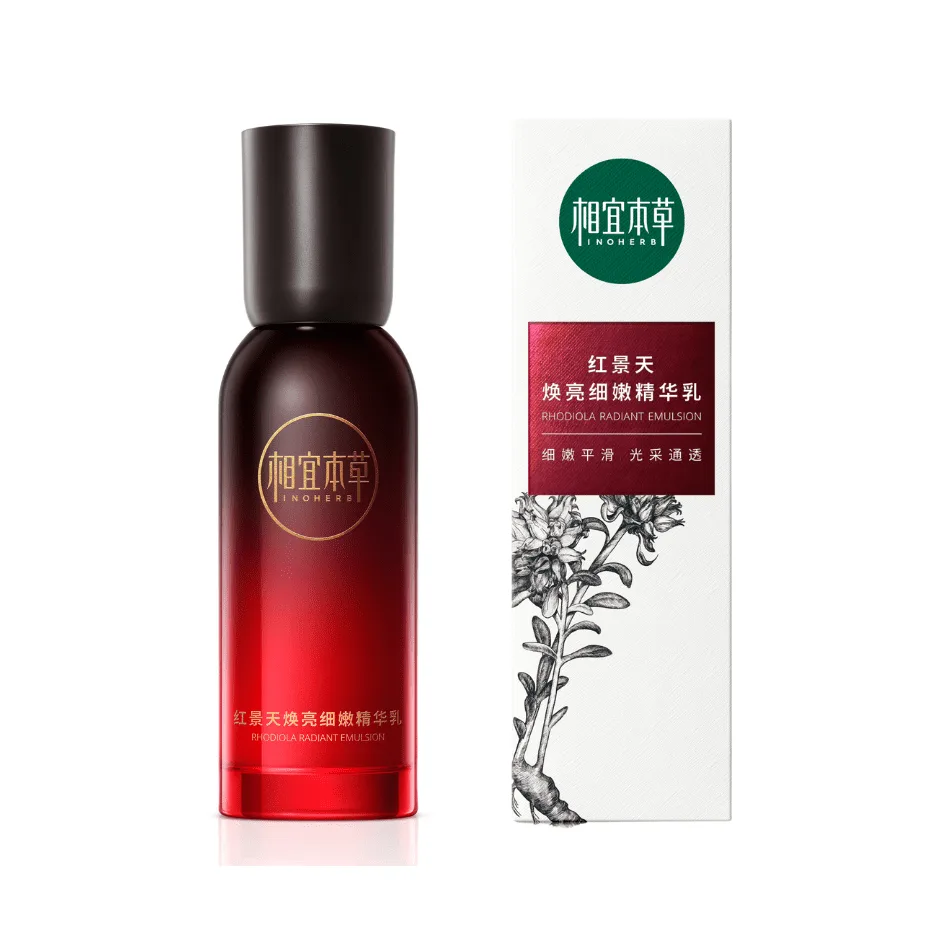 Primer-Finish Herbal Emulsion
Rhodiola Radiant Emulsion
A combination-skin emulsion built like a makeup primer — silica, nylon-12 and cyclomethicones on top, hydroxyethyl urea and creatine doing the hydrating underneath — with ten herbs added as a signature rather than a dose. Pleasant, velvety and useful under sunscreen; the 'radiant' is a blur effect, the perfume is real, and the converted price is merely fair.
 Mature Skin Day Shield
Q10 Anti-Wrinkle Power Replenishing Day Cream SPF 15
A deeply nourishing anti-aging day cream that takes mature skin seriously, combining Beiersdorf's pioneering Q10-creatine research with rich botanical oils and convenient SPF 15. Best suited for dry, post-menopausal skin that needs intensive lipid replenishment alongside sun protection — though the modest SPF and jar packaging leave room for improvement.
 Anti-Aging Pioneer
Q10 Anti-Wrinkle Power Firming Night Cream
The night cream from the brand that put CoQ10 on the skincare map delivers legitimate anti-aging science at a fraction of luxury prices. It's richly moisturizing, backed by 25 years of dedicated research, and works best on fine lines and early aging — though the fragrance load and jar packaging keep it from being universally recommendable.
 Budget Q10 Brightener
Q10 Power Anti-Wrinkle + Brightening Eye Cream
A gentle, fragrance-free Q10 eye cream that does two honest things: it hydrates and optically brightens the under-eye on the spot, and it offers a mild, gradual antioxidant anti-wrinkle effect over time. Just don't expect the 'brightening' to fade real dark circles — that part is soft-focus optics, and the price reflects the modesty of the actives.
 Leave-In Wearing a Styling Label
3-in-Wonder Magic Styling Cream
A light, pleasant leave-in conditioner with a whisper of polymer hold, sold as a three-way styler and a creatine strengthener; it does the first job well, the second three jobs softly, and the strengthening not at all in any proven sense. Nine dollars for five ounces is fair for a conditioning cream that tames frizz and groups waves, and the fragrance and sulfite are the two things a leave-on this gentle did not need to carry.
 Silicone-Smooth Hydrator
Uradin Hydralift Firming & Hydrating Serum
A silky, fragranced silicone serum with a genuinely good humectant core built around urea, xylitol, creatine and glycine, sold on an apple stem cell story that does not hold up. Skin looks smoother the moment it dries and stays comfortable, but $140 for hydration and a blur is hard to defend, and the six-allergen fragrance is a poor fit for the dermatology brand on the box.
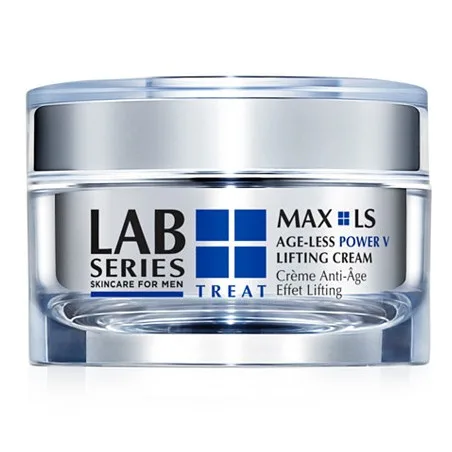 Premium Men's Anti-Aging
Skincare for Men MAX LS Age-Less Power V Lifting Cream
Lab Series' most technically ambitious product delivers a genuinely sophisticated peptide and antioxidant complex wrapped in a luxurious cream — but temper your expectations on the 'lifting' claims, because no jar of cream can defy gravity, no matter how many peptides it contains.
The full creatine (creatine monohydrate) guide
The tub in the gym bag and the ingredient in the face cream are the same molecule doing the same job in different tissue.
Creatine buffers cellular energy — it holds a spare phosphate ready for the moment a cell needs ATP faster than it can make it — and ageing skin runs measurably short of energy, which is one proposed reason its fibroblasts stop building collagen the way they used to. The idea is elegant. The complication is that almost every human study testing it was funded by the company selling it.
How it's regulated in the US
FDA does not classify ingredients — it classifies products, by what they are sold to do. The same molecule can be a drug active in one product and a cosmetic ingredient in the next, and only the claim on the label decides which. What follows is a statement about that legal standing, not about whether it works — the evidence question is answered separately above.
Cosmetic Creatine (Creatine Monohydrate) is a cosmetic ingredient in the US: no OTC monograph covers it and it is not an active in any FDA-approved drug, so a product built around it is a cosmetic rather than a drug.
There is real published in-vivo work here, unusual for a cosmetic active, and it comes almost entirely from Beiersdorf. A 2011 study in the Journal of Cosmetic Dermatology confirmed that topically applied creatine penetrates to the dermis and reported significant reductions in crow's feet, under-eye wrinkles and jowl sagging in male subjects after six weeks. Companion work in the same journal found creatine with folic acid improving skin firmness in vivo, and a 2008 paper described the combination accelerating epidermal regeneration in photoaged skin. Cell work supports the mechanism: cultured human dermal fibroblasts given creatine increased collagen synthesis at both gene-expression and protein level. Two caveats matter. Every one of those clinical studies came from a single commercial sponsor with a product to sell, and the formulations tested creatine alongside guarana, glycerol or folic acid — so creatine's individual contribution was never isolated. Independent replication is what is missing, not plausibility.
How it works
Cells run on ATP, and they cannot store much of it. What they store instead is phosphocreatine — creatine holding a high-energy phosphate group in reserve, ready to hand it to spent ADP and regenerate ATP within seconds. Muscle depends on this system for short bursts of effort, which is why athletes supplement. Skin uses the same machinery, less dramatically, and the enzymes for it are present in keratinocytes and fibroblasts. The ageing argument runs like this: mitochondrial function declines with age and accumulated ultraviolet damage, cellular energy availability drops with it, and energy-expensive processes get deprioritised. Collagen synthesis is among the most expensive things a fibroblast does — assembling and cross-linking a large structural protein — so a fibroblast running low on ATP builds less of it. Restoring the phosphocreatine buffer, on this reasoning, restores the cell's capacity to fund that work. The cell-culture data are consistent with it: fibroblasts supplemented with creatine transcribe and produce more collagen than untreated controls. Penetration studies confirm the molecule reaches the dermis rather than sitting on the surface, which is not a given for a hydrophilic compound. Whether the wrinkle improvements measured in the clinical work followed from that specific chain, or from the humectants and other actives sharing the formula, is the question the studies were not designed to answer.
Key benefits
- Penetrates to the dermis rather than remaining on the surface
- Increased collagen synthesis in cultured human dermal fibroblasts
- Reduced crow's feet and under-eye wrinkles in a six-week in-vivo study
- Improved measured skin firmness when combined with folic acid
- Supports the cellular energy buffer that declines with age
- Stable, inexpensive and very well tolerated on skin
Concentration & usage
Published cosmetic formulations have generally used creatine in the region of a few percent, though the studies describe finished products rather than isolating a dose-response, so no threshold has been established. It is water-soluble, stable in a normal cosmetic pH range and unproblematic to formulate, which means finding it high on an ingredient list is realistic rather than a red flag. Its position tells you whether the brand built around it or added it late. Worth understanding clearly: eating creatine and applying creatine are unrelated interventions for this purpose. Oral supplementation raises muscle stores and has no evidence for skin, and the topical studies used topical application specifically because the researchers were interested in what reaches the dermis from outside.
Who it's for & who should be cautious
Who it's for
It is a sensible supporting ingredient for mature or photoaged skin in a routine already built on the things with stronger evidence — a retinoid, daily sunscreen, vitamin C. Its tolerability is a genuine asset: people whose skin cannot handle retinoids have very few options with any published in-vivo firmness data behind them, and this is one. It also suits anyone who prefers a mechanistically coherent ingredient over a fashionable one.
Who should be cautious
Nobody needs to avoid it on safety grounds — it is one of the least irritating actives in common use, with no notable reaction profile. The reason to be sceptical is evidential rather than safety-related. A body of clinical evidence produced entirely by the company commercialising the ingredient is not the same as an established effect, and combination formulas that never isolated the variable cannot tell you what creatine itself contributed. If you are choosing between a creatine cream and a retinoid for wrinkles, the retinoid has decades of independent trials and this does not. Anyone expecting a creatine cream to do what oral creatine does for training performance has confused two entirely separate uses of one molecule.
Pairs with & conflicts
Pairs well with: Caffeine, Peptides, Niacinamide (Vitamin B3), Glycerin, Amino Acids
Myths & facts
Myth: Taking creatine supplements will improve your skin.
Reality: Oral creatine loads skeletal muscle, which is what it was studied and marketed for. No evidence shows that supplementing by mouth raises dermal creatine to a level that affects collagen synthesis or wrinkles. The skin research used topical application specifically, and penetration to the dermis from the outside was one of the things the researchers had to demonstrate rather than assume.
Myth: Clinical studies prove creatine reduces wrinkles.
Reality: Studies exist and reported positive results, which puts it ahead of most cosmetic actives. What they do not constitute is independent proof: the human work came from a single commercial sponsor, and the tested products combined creatine with guarana, glycerol or folic acid, so no study isolated creatine's own effect. That is a reason for measured interest, not dismissal — and not for treating the matter as settled.
Myth: It is an energy booster, so it will make tired skin look brighter immediately.
Reality: The proposed mechanism is about funding slow biosynthetic work — fibroblasts building collagen over weeks — not about a same-morning glow. Any immediate radiance from a creatine cream comes from its humectants and emollients, as it would from any decent moisturiser. Studies measuring firmness and wrinkle depth ran six weeks or longer for good reason.
Frequently asked questions
Is topical creatine the same as the creatine powder athletes take?
Chemically yes, functionally no. Both rely on creatine's role as a phosphate reservoir for regenerating ATP, but muscle loading through the bloodstream and dermal delivery through the skin surface are separate interventions with separate evidence. The skin studies applied it topically and had to demonstrate it reached the dermis at all.
How long does topical creatine take to show results?
The in-vivo studies measured outcomes at six weeks and beyond, which fits a mechanism based on gradually improved collagen synthesis rather than an immediate surface effect. Expect nothing dramatic in the first fortnight. Anything you notice in the first few days is the formula's moisturising base.
Can I use creatine with retinol or vitamin C?
Yes — there is no chemical incompatibility and no reason to separate them. Creatine is notably non-irritating, which makes it a comfortable companion to actives that are not. If anything, it belongs in the supporting cast of a routine whose lead is a retinoid and daily sunscreen, rather than in place of either.
Does creatine help with sagging skin?
The 2011 study reported reduced sagging intensity in the jowl area alongside its wrinkle findings, in male subjects over six weeks. Take that as a promising single-sponsor result rather than an established effect — meaningful laxity involves structural changes that no topical has convincingly reversed, and the honest expectation is modest firmness improvement at best.
Is creatine safe for sensitive skin?
It is among the better-tolerated actives available, with no significant irritation or sensitisation profile and no photosensitivity concern. For people who cannot tolerate retinoids or acids, that tolerability is a real part of its appeal — it offers something to do rather than nothing, while being honest that the evidence behind it is thinner.
Sources
- https://pubmed.ncbi.nlm.nih.gov/22151935/
- https://pubmed.ncbi.nlm.nih.gov/18254806/
- https://onlinelibrary.wiley.com/doi/abs/10.1111/j.1473-2165.2010.00543.x
- https://www.jaad.org/article/S0190-9622(04)02914-7/fulltext
- https://www.cosmeticsdesign-europe.com/Article/2008/02/07/beiersdorf-hails-anti-ageing-powers-of-folic-acid-and-creatine/