Camphor
Products with Camphor
 The Original Medicated Lip Balm
Classic Medicated Lip Balm
Nearly 90 years old and still polarizing — Carmex's camphor-menthol-petrolatum formula delivers undeniable occlusive protection and that signature medicated tingle, but its old-school ingredient list full of potential irritants makes it a love-it-or-debate-it classic.
 Emergency Lip Rescue
Lip Medex
The lip equivalent of a fire extinguisher — you reach for it when things have gone wrong. Nearly 60% petrolatum with triple analgesic action delivers aggressive moisture protection and pain relief for lips that are cracked, raw, and protesting. Not elegant, not modern, and loaded with irritants, but when your lips are in genuine distress, few products work this immediately.
 Apothecary Cucumber Water
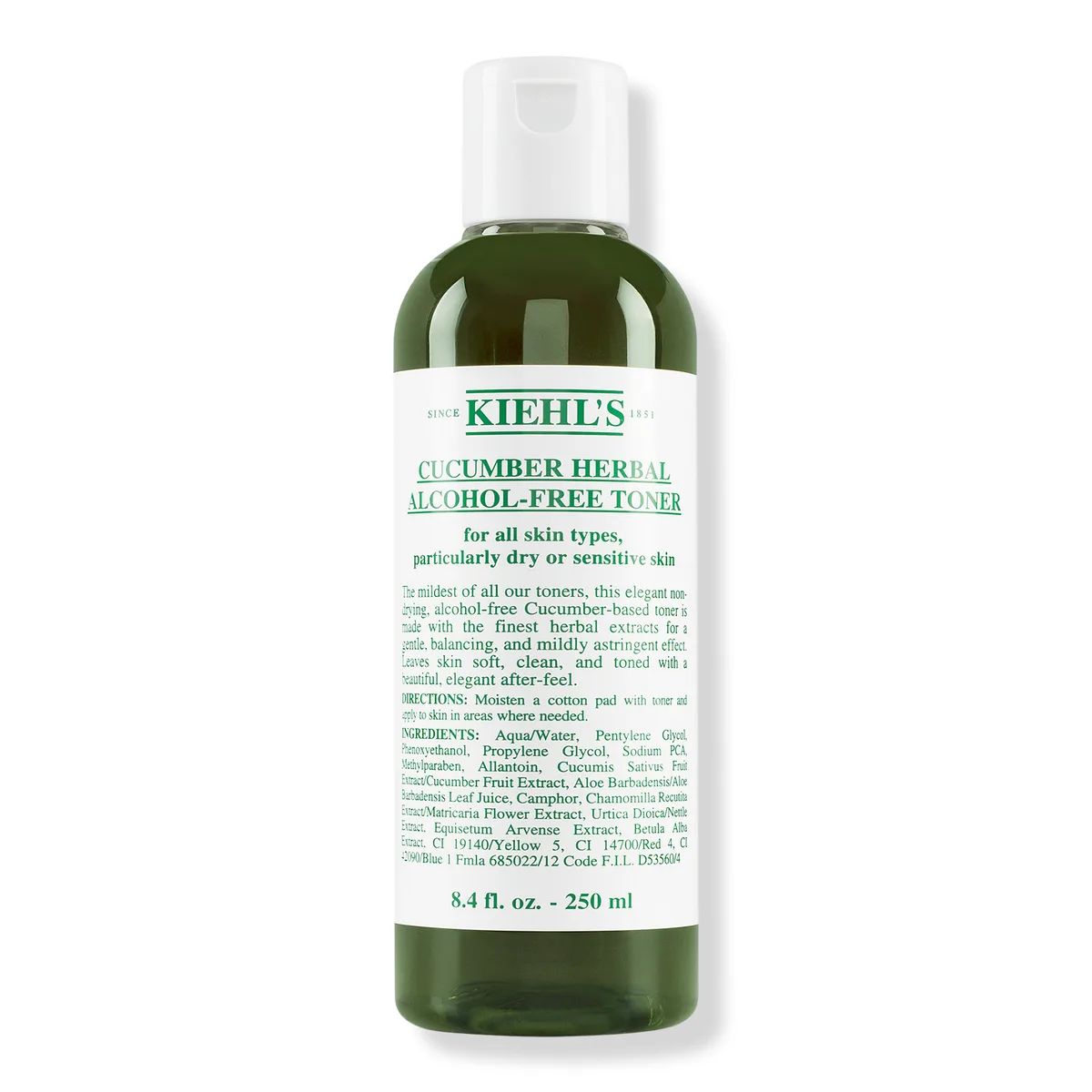
Cucumber Herbal Alcohol-Free Toner
A decades-old apothecary herbal water, alcohol-free, fragrance-free and cooling, that refreshes and lightly hydrates without ever pretending to treat. Allantoin and humectants do the small amount of work; cucumber, nettle and birch supply the character; a dash of camphor and three dyes supply the doubts for a toner sold to sensitive skin. Pleasant, reliable and overpriced for water, it earns its counter space on ritual and heritage rather than on formulation.
 Drugstore Lip Care Icon
Medicated Lip Balm SPF 15
The quintessential drugstore lip balm that generations grew up reaching for — a solid occlusive formula with basic SPF that genuinely seals in moisture, though the menthol-camphor tingle that made it famous is more performance art than medicine. At under $2, it's hard to argue with the value, but sensitive lips may find the 'medicated' ingredients create more problems than they solve.
 The Original Lip Balm
Original Lip Balm
The lip balm that invented the category and lent its name to an entire product class — ChapStick Original delivers dependable petrolatum occlusion at a price that barely registers, though its legacy formula with fragrance, dyes, and camphor feels increasingly dated in an era of clean simplicity.
 European-Filter Body SPF
Hydra UV Protect SPF 50+ Body Sunscreen Lotion
A hydration-forward Australian body sunscreen that uses filters unavailable in the US, delivering stronger UVB coverage and a skincare-grade glycerin-and-algae base in one bottle. It's sold only through AU and EU retailers, but for shoppers who can source it, it's one of the best-formulated body SPFs at a drugstore price.
 Overnight Whitehead Fix
Original Drying Lotion
The classic settle-don't-shake pink spot treatment, doing exactly one thing well: drying out a surfaced whitehead overnight for a few dollars. Salicylic acid, sulfur and zinc make a genuinely effective dab-on paste for individual pimples. Just know its limits — it's harsh, smells of sulfur, does nothing for deep cysts, and is strictly a targeted fix, not an acne routine.
 Summer Pore Chill
Zero Pore Cooling Mask
A three-dollar sheet that cools harder than almost anything alcohol-free on the market and makes oily, hot, congested skin look flatter for an evening. The niacinamide is real, the fragrance is absent, and the pore claims are a description of what cold does to skin for a few hours. Buy a bundle for summer; do not expect it to change a pore.
 Moisturizing Drugstore Classic
Clean Moisture Deep Cleansing Cream
A slightly gentler spin on the Noxzema classic that adds glycerin for moisture but still packs camphor, menthol, fragrance, parabens, and a formaldehyde-releasing preservative — making it a nostalgia purchase for tolerant skin types rather than a modern skincare recommendation.
 J-Beauty Hand Hero
Yuskin A Family Medical Cream
Yuskin A is the rare cult product that earns every bit of its six-decade reputation: a thick, medicated Japanese cream that genuinely rescues badly chapped, cracked, and itchy skin for pocket change. The cooling camphor and near-half-glycerin base do real work on rough hands and heels. Just know the camphor can sting broken skin, and the scent isn't for everyone.
 Seventy Years of Clear Armor
Hard As Nails
A clear nitrocellulose lacquer that has been doing the same honest job since the 1950s — laying rigid armor over a splitting nail for a little over three dollars. It changes nothing about the nail underneath, and it does not claim to. The genuinely useful detail is that this clear version dropped formaldehyde resin while its Advanced sibling did not.
 Japanese Cracked-Hands Rescue
Yuskin A Moist Hand Balm Treatment Cream
Yuskin's A-Series hand balm is a fragrance-free, Japanese quasi-drug formula built for hands that have crossed from merely dry into cracked and sore. Disclosed 10% squalane and 5% jojoba oil do the heavy lifting, while a licorice-derived anti-inflammatory calms the redness. The small tube and faint camphor tingle are the only real caveats.
 Drugstore Workhorse
Miracle Cure Nail Strengthener
Eight dollars buys the same mechanical trick the expensive strengtheners perform — a film that bridges peeling layers and holds a fragile nail together. The back of the ingredient list is unexpectedly ambitious, and mostly sealed away by the front of it. The reservation is chemistry rather than performance: triphenyl phosphate and camphor are plasticisers newer formulas have moved on from.
 The Original Pink Dot
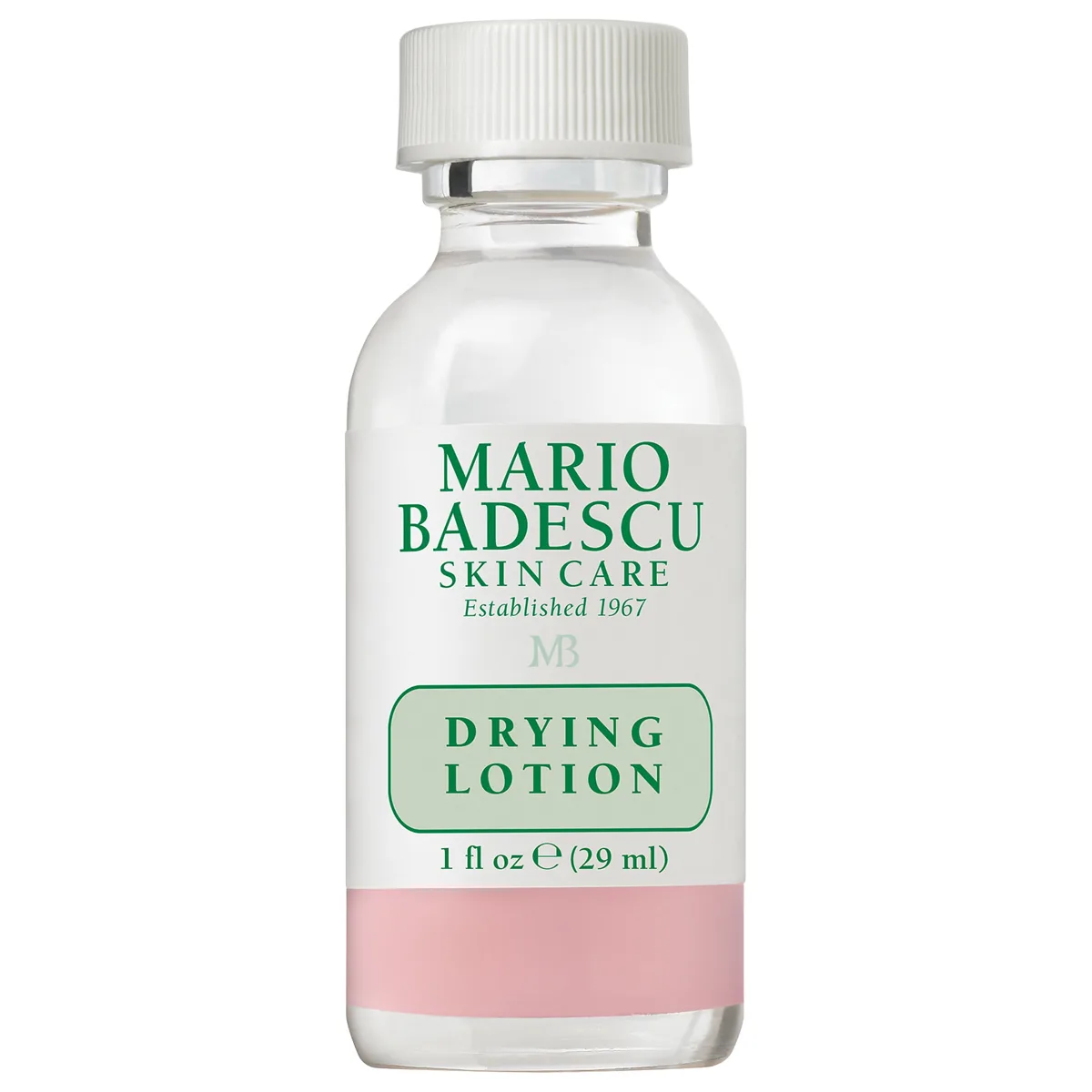
Drying Lotion
The pink-dotted overnight ritual that launched a thousand TikToks. A minimalist, unchanged-since-the-sixties formula that genuinely flattens whiteheads by morning — though the aggressive alcohol-and-sulfur approach earns its results through sheer drying force rather than modern pharmacological sophistication.
 Overnight Blemish Eraser
EradiKate Acne Treatment
A potent, clinic-born sulfur spot treatment that genuinely flattens blemishes overnight through a unique two-phase delivery system. The isopropyl alcohol base and unmistakable sulfur smell are trade-offs for a product that earns its cult following with speed and efficacy.
 Gym-Bag Astringent
Back & Body Clarifying Spray
A fragrance-free alcohol-and-camphor astringent in a back-reaching spray bottle, with zinc PCA and niacinamide to justify the word clarifying. It dries a sweaty, oily back on contact and may quiet mild congestion over weeks; it contains no acne active, stings on anything inflamed, and over-dries anyone who is not genuinely oily. A gym-bag freshener sold as a bacne treatment.
 Cult Deep-Cleansing Clay Mask
Rescue Mask
Eve Lom's Rescue Mask is a decades-old cult deep-cleanser that genuinely works on oily, congested skin: kaolin clay decongests while ground almonds exfoliate as you massage it off, finishing matte and bright. But the formula shows its age — alcohol, camphor, and a physical scrub make it drying and irritant-leaning, suited only to resilient skin, and the luxury price is hard to justify against gentler modern masks.
 Cult NYC Apothecary Spot Treatment
Acne Treatment Nighttime Serum
A two-decade-old NYC apothecary classic that borrows from the old dermatology playbook: 10% sulfur, zinc oxide, and a little salicylic acid settled into a pink sediment you dab on a whitehead before bed. It is genuinely excellent at flattening surface pimples overnight, but it is not a maintenance product and the per-ounce price sits well above drugstore sulfur lotions.
The full camphor guide
Pull a medicated lip balm out of your bag and there's a reasonable chance camphor is doing most of the heavy lifting.
This bicyclic monoterpenoid — sourced from the wood of Cinnamomum camphora trees or synthesized from turpentine — earns its spot in lip treatments, cooling body balms, and itch-relief formulas through a well-mapped mechanism involving sensory ion channels in the skin. It's not a trending active; it's a workhorse that has sat in pharmacopoeias for centuries, and modern receptor science has caught up to explain exactly why it works.
How it's regulated in the US
FDA does not classify ingredients — it classifies products, by what they are sold to do. The same molecule can be a drug active in one product and a cosmetic ingredient in the next, and only the claim on the label decides which. What follows is a statement about that legal standing, not about whether it works — the evidence question is answered separately above.
OTC drug active Camphor is an OTC analgesic and antipruritic active at 0.1 to 3 percent. The concentration in a spot treatment or a cooling gel usually sits below that, which keeps the product cosmetic — the ingredient is the same either way.
- topical analgesic and antipruritic OTC monograph 0.1 to 3 percent
Generally recognized as safe and effective under an FDA order — marketed without FDA approval
Permitted label wording “For the temporary relief of pain and itching associated with minor burns, sunburn, minor cuts, scrapes, insect bites and minor skin irritations”
Drug standing it holds for a different use
These are real regulatory standings for the same molecule, and none of them reaches the skincare use above. They are here because leaving them out is how a page ends up implying more than it can support.
- counterirritant OTC monograph exceeding 3 percent to 11 percent
Camphor's cooling, antipruritic, and mild analgesic effects are well-established at the mechanistic level. Research in the Journal of Neuroscience (2005) showed it activates and then strongly desensitizes TRPV1, the heat/pain receptor, while work in Chemical Senses (2013) demonstrated that it activates and sensitizes TRPM8, the cold receptor — together these account for the characteristic cooling sensation and the subsequent muting of itch and pain signals. The FDA recognizes camphor as a safe and effective OTC topical analgesic and antipruritic, and cosmetic regulators generally cap it at 3% in leave-on products. Where the evidence thins out is the broader story: a 2024 review in Pharmaceuticals (MDPI) surveyed camphor's antimicrobial and anti-inflammatory activity against acne-, foot-fungus-, and eczema-associated organisms, but that data comes almost entirely from in-vitro and animal models. Well-powered human trials confirming camphor's antimicrobial or anti-inflammatory performance at cosmetic concentrations remain sparse, so those properties should be read as promising rather than proven.
How it works
Camphor's effects on skin originate almost entirely at the nerve-ending level. Skin is riddled with transient receptor potential (TRP) channels — proteins on sensory neurons that act as molecular thermostats and pain sensors — and camphor engages two of them in quick succession. It first activates TRPV1, the same receptor that responds to capsaicin and genuine heat, which is why high concentrations can briefly feel warming. Then it triggers rapid, strong desensitization of that channel, essentially flooding the receptor until it stops responding; with TRPV1 quieted, pain and itch signals routed through it are muted. At the same time, camphor activates TRPM8 — the cold-sensing receptor also engaged by menthol — and sensitizes it to cooling, producing that signature chill. This dual action is the physiological basis for camphor's role as a counterirritant: a vivid cooling buzz that distracts the nervous system from duller underlying itch or discomfort. Beyond sensory effects, camphor's volatile terpenoid structure gives it some antimicrobial activity against certain bacteria and fungi, though this has been shown mainly in lab settings rather than confirmed on skin at cosmetic concentrations. A handful of preclinical studies also point to anti-inflammatory activity through modulation of cytokine-signaling pathways implicated in conditions like atopic dermatitis. Those mechanisms are biologically plausible but remain largely unproven in humans, so the dependable, evidence-backed payoff is the sensory relief — not deep wound healing or infection control.
Key benefits
- Delivers immediate cooling and itch relief by desensitizing the TRPV1 pain channel
- Acts as a counterirritant that distracts the nervous system from minor pain and discomfort
- Soothes irritated, chapped, and windburned lips in medicated balm formats
- Adds a cooling sensory dimension to muscle-soothing and post-sun body topicals
- Offers mild lab-demonstrated antimicrobial support in treatment-focused formulas
- Helps interrupt the scratch-itch cycle on body skin without numbing the area completely
Concentration & usage
The FDA permits camphor up to 11% in OTC external analgesic rubs, but cosmetic regulators are stricter for everyday leave-on products: the EU Cosmetics Regulation caps it near 3% in leave-on face products and 5% in leave-on body and hair products, and Health Canada limits cosmetic use to 3% or below. Medicated lip balms (think Carmex or ChapStick Classic) typically list camphor around 1–3% as an active. On an INCI list it appears simply as "Camphor" or "Camphor (synthetic)" — the synthetic and naturally derived forms share the same C10H16O formula and differ only in chirality and source. As a rule of thumb, formulas at or below 3% are appropriate for facial and lip use, while the higher 5–11% range belongs to body rubs and dedicated OTC analgesics rather than daily skincare.
Who it's for & who should be cautious
Who it's for
Anyone dealing with itchy, irritated, or chapped skin — especially on the lips or body — stands to get the most direct benefit. Camphor suits medicated balms for cold-weather lip dryness, bug-bite aftercare, body-skin eczema itch on intact skin, and muscle-soothing topicals. People who run hot or want a quick sensory reset after sun or wind exposure tend to appreciate the cooling hit it delivers.
Who should be cautious
Keep camphor away from broken, cracked, or wounded skin — an intact barrier is what keeps systemic absorption low and safe. Pregnant individuals are generally advised to steer clear of camphor products, especially in the first trimester; topical exposure hasn't been linked to congenital effects in the limited data available, but camphor can cross the placenta and its oral/high-dose toxicity is well documented, so most practitioners err toward caution. Children under 2 should not use it at all — the FDA banned camphorated oil products because of poisoning risk in small children. And anyone with sensitized, highly reactive skin or a known terpenoid sensitivity should patch-test first, since camphor can irritate at higher concentrations.
Pairs with & conflicts
Pairs well with: Menthol, Calamine, Colloidal Oatmeal, Witch Hazel, Zinc, Petrolatum (Petroleum Jelly), Beeswax (Cera Alba)
Use with care alongside: Retinol, Salicylic Acid (BHA), Glycolic Acid (AHA)
Myths & facts
Myth: Camphor heals cold sores by killing the herpes virus
Reality: Camphor has no demonstrated antiviral activity against HSV-1. Its job in cold-sore lip balms is to relieve the itch and discomfort, not to treat the underlying infection — the FDA classifies it as a skin protectant and anesthetic in that context, not an antiviral.
Myth: Natural camphor from the tree is safer than synthetic camphor
Reality: Both forms share the same molecular formula (C10H16O) and the same toxicity profile. Natural camphor is predominantly (+)-camphor while synthetic is racemic — a minor structural difference with no meaningful clinical consequence. Concentration and application site determine safety, not origin.
Myth: A tingling sensation means camphor is reducing inflammation
Reality: That tingle is a sensory nerve effect from TRPV1 and TRPM8 activation, not a sign that inflammation is being resolved. Camphor numbs and distracts; the anti-inflammatory effects seen in lab studies used conditions well beyond what a lip balm delivers, and they haven't been confirmed at cosmetic concentrations.
Frequently asked questions
Is the camphor in lip balm safe to use every day?
At the 1–3% levels found in OTC medicated lip balms, daily use is generally considered safe for adults. The catch is that camphor, like menthol, can leave the lip surface feeling drier once the sensation fades, which nudges some people into a reapplication cycle — alternating with a plain emollient balm helps avoid that.
Can relying on camphor actually make itchy skin worse?
There's a plausible rebound concern. Because camphor works by desensitizing TRPV1 receptors that re-sensitize once it wears off, some people notice their itch returns when they stop — much like the rebound sometimes described with menthol. It isn't harmful, but it argues for treating the underlying cause of the itch rather than leaning on camphor indefinitely.
Why does camphor feel cooling and warming at the same time?
It hits two receptor types almost simultaneously. TRPM8 — the channel menthol also triggers — reads as cooling, while the initial TRPV1 activation can feel briefly warm or even faintly burning at higher strengths. The net sensation depends heavily on concentration, with lower amounts tending to come across as primarily cool.
Should I avoid camphor products while pregnant?
Most dermatologists and pharmacists suggest skipping camphor during pregnancy, especially the first trimester. Topical exposure hasn't been clearly tied to birth defects in the limited data available, but camphor crosses the placenta and high-dose or ingested camphor has caused fetal harm, so the conservative move is to use plain emollients until after delivery.
Is it fine to put camphor products on my face?
EU rules cap camphor near 3% in leave-on face products precisely because higher levels raise sensitization risk on thinner, more reactive facial skin. Lip balms at 1–3% are generally fine for most adults, but slathering a 5–11% body rub on the face isn't recommended and can trigger irritation or contact dermatitis.
Does camphor offer any real antifungal or antibacterial benefit for skin?
Lab studies do show measurable antimicrobial activity, and a 2024 review in Pharmaceuticals explored camphor as a supporting therapy for skin infections including fungal foot conditions. But those findings are largely in-vitro or preclinical — there are no well-powered human trials backing camphor as a standalone antifungal or antibacterial at cosmetic concentrations, so a product leaning on it for that purpose lacks the evidence a dedicated active would carry.
- Natural & BotanicalA Product Can Be Scented Head to Toe and Still Say Fragrance-FreeEssential oils are declared by botanical name rather than as fragrance, which is why the most heavily perfumed products in the natural aisle can carry the reassuring word — and why the bottle gets more sensitising the longer you own it.
- Lip CareLip Care: The Barrier That Physically Can't Hold WaterLip skin loses moisture about three times faster than your cheek and has no oil gland to replace it — which explains most of the reapplication loop, and none of the part your balm is causing.
- Lip CareYour Lip Balm Might Be the Reason You Can't Stop Reapplying ItThe tingle you read as 'working' is often mild irritation — and some of the most popular balms quietly keep you chapped so you keep coming back.