The Cabin Is Drier Than the Sahara, and Your Sheet Mask Isn't Helping
The tight, parched feeling of a long flight is real physiology, not fatigue. The routine that actually fixes it is smaller and less photogenic than the influencer version.
Read the preview
From the DermApproved blog, in environmental skin damage: what flying actually does to your face. That tight, parched, one-size-too-small feeling by hour four of a long flight? Not fatigue. It's physiology, and the numbers are wild: within two hours of takeoff, the cabin gets drier than the Sahara. Here's the twist that catches skincare people off guard: the hydrating serum or sheet mask you packed to fix it might be quietly making things worse. There's also a sun problem hiding in your window seat that nobody thinks to protect against. The routine that genuinely works is smaller, cheaper, and far less photogenic than the influencer version, and one beloved travel product is pure theater. We break down the desert in the sky and what to actually do about it, at dermapproved.com/blog.
You're flying through a desert
The specific misery of skin on a long flight, the tightness across the cheeks, the flaking around the nose, the way your face feels a size too small by hour four, isn't in your head and it isn't just tiredness. It's a measurable environmental assault. To keep a pressurized cabin comfortable and prevent condensation and corrosion, airlines run the air extremely dry, and the numbers are startling: relative humidity drops below 10% within about two hours of takeoff and stays there for the rest of the flight. For comparison, the Sahara Desert averages around a quarter humidity. You are, in a real physiological sense, flying through somewhere drier than a desert.
That parched air pulls water out of your skin relentlessly. Researchers who measured skin hydration on long-haul flights found skin capacitance dropping fast on both the face and forearms, with the cheeks losing up to 37% of their surface hydration. When the air around your skin is that thirsty, water evaporates from the outer layers faster than it can be replaced, the barrier's job of holding moisture in gets overwhelmed, and the result is the classic post-flight complexion: dry, tight, dull, and prone to flaking. Understanding that the problem is evaporation, not a lack of some exotic active, is what points you to the fixes that actually work.
Why your hyaluronic acid can backfire at altitude
Here's the counterintuitive part that trips up even careful skincare people. Humectants, the water-attracting ingredients like hyaluronic acid and glycerin that are the backbone of most 'hydrating' products, work by pulling water toward the skin. In normal humidity they pull it from the air and from deeper in the skin, and it stays put. But in the bone-dry cabin, there's essentially no water in the air to draw from, so a humectant applied alone can actually pull moisture from the deeper layers of your skin toward the surface, where the desert air promptly evaporates it. You can end up drier than if you'd done nothing.
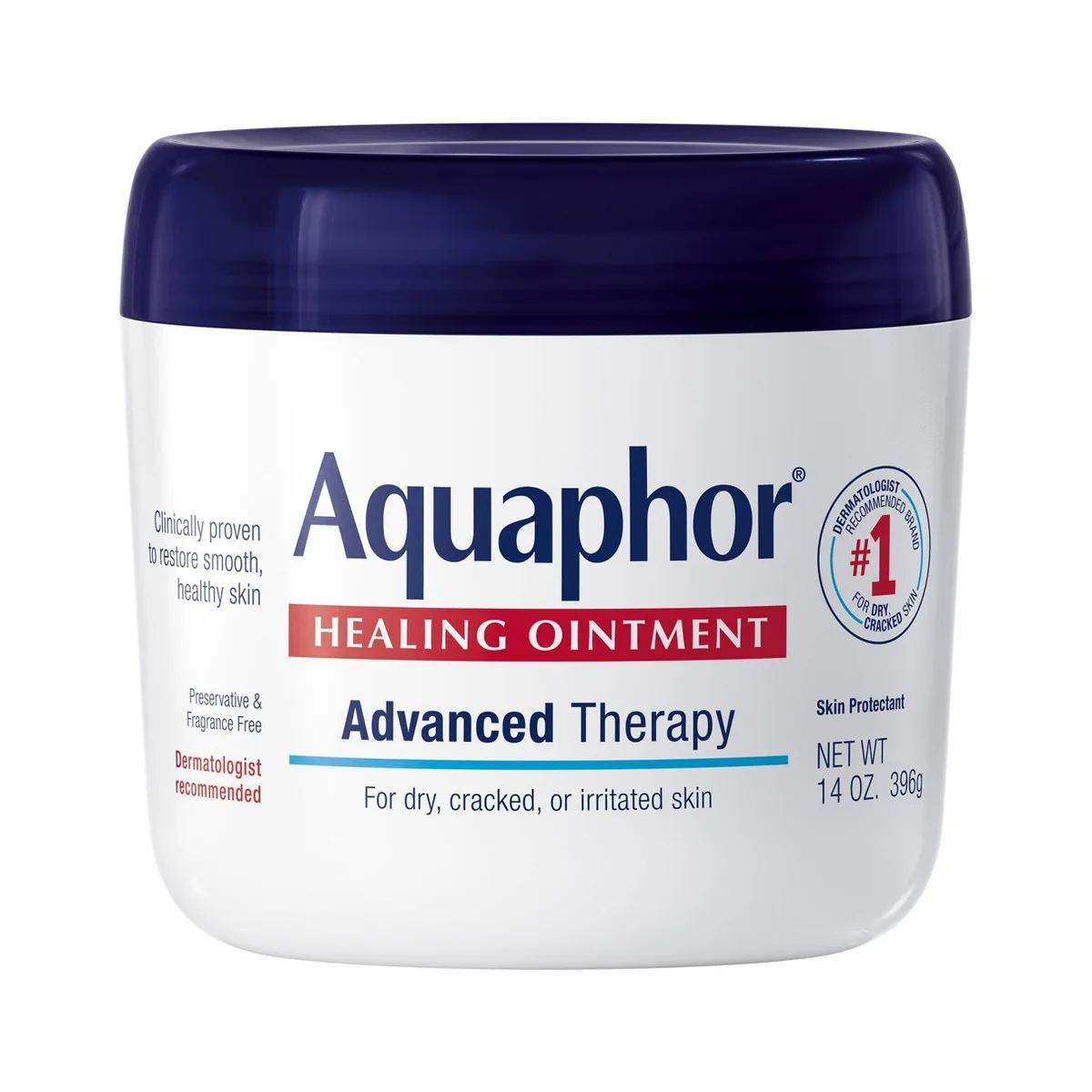
The fix is order of operations, not more product. A humectant needs an occlusive layer sealed over the top to lock the water in and block evaporation, the exact thing missing from the cabin environment. Apply a hydrating layer, then trap it with something rich: a ceramide-heavy cream like CeraVe Moisturizing Cream, which pairs humectants with petrolatum to seal, or for a long flight, a genuine occlusive balm like Aquaphor Healing Ointment over your moisturizer, the in-flight version of slugging. If you want to layer a hydrating serum and a cream correctly under these conditions, the routine-order tool sorts the sequence. This is also why a mid-flight sheet mask is mostly theater: once its essence evaporates, the humectants left on your face have nothing to seal them and can leave skin no better, sometimes worse.
The window seat has a sun problem
Nobody packs sunscreen for a flight, and that's a genuine oversight, because altitude and a window seat combine into real ultraviolet exposure. Airplane windows block essentially all UVB, the burning wavelength, but they let through a substantial and variable fraction of UVA, the deeper-penetrating wavelength tied to DNA damage, photoaging, and melanoma. At cruising altitude there's less atmosphere overhead to filter UV, and if you're flying over clouds or snow, those surfaces reflect a large share of it right back up at the window.
The magnitude is not trivial. A JAMA Dermatology study measuring UVA in cockpits found that flying for under an hour at altitude delivered UVA comparable to a 20-minute tanning-bed session, and a companion meta-analysis found pilots and cabin crew have roughly twice the melanoma incidence of the general population. You're not a pilot logging thousands of hours, so keep the risk in proportion, but the practical lesson stands: if you're in a window seat on a daytime flight, apply a broad-spectrum sunscreen to your face and any exposed skin, or simply close the shade. A formula like La Roche-Posay Anthelios Melt-in-Milk SPF 60 handles it, and the sun-safety tool can help you think through exposure on longer daytime routes.
The rest of the body sets the tone
Skin doesn't fly in isolation, and the whole-body toll of travel shows up on your face. That same dry cabin air pulls water out of you through every breath; ventilatory water loss climbs sharply as humidity falls, which is part of why you land feeling wrung out. Dehydrated skin looks duller and shows fine lines more, so the oldest advice is still among the best: drink water steadily through the flight, and go easy on the alcohol and coffee that deepen the deficit. This is the least glamorous and most reliable in-flight skincare step there is.
Then there's the clock. Crossing time zones disrupts the circadian rhythms that govern skin's overnight repair, and the poor, fragmented sleep of travel blunts the barrier recovery that normally happens while you rest. You can't out-serum jet lag, but you can stop fighting it: prioritize real sleep on arrival, resync to local daylight quickly, and treat the first day or two of a trip as recovery for your skin as much as your body. A rich, humectant-and-barrier moisturizer such as The Ordinary Natural Moisturizing Factors + HA applied generously before and after a flight supports the barrier while the rest of you catches up. The face is often just reporting what the whole system is going through.
Pack light, skip the theater
Put it together and the effective travel routine is refreshingly short, which is convenient given the liquid limits. Before the flight, cleanse gently and layer a humectant under a rich occlusive so your barrier starts sealed. In the air, reapply the occlusive as needed, drink water, sunscreen or shade the window on daytime legs, and otherwise leave your face alone. On arrival, cleanse off the day, moisturize again, and let sleep do the repair work. That's the whole evidence-based protocol, and it fits in a quart bag.
What you can comfortably leave behind is the performance. Facial misting sprays feel lovely for a second and then evaporate, taking a little of your skin's water with them and leaving you drier, the humectant problem in aerosol form. Elaborate multi-step in-flight regimens mostly add friction and shared-tray-table germs to no measurable benefit. The instinct that a visibly dramatic routine must be doing more is exactly backwards at altitude, where the boring occlusive is the hero and the photogenic mist is the liability. Fly with the desert in mind: seal moisture in, protect against the window, hydrate from the inside, and save the pampering for when you've landed somewhere with normal air.
Products mentioned
Independently reviewed and scored — the real products behind this piece.



References
- Skin surface hydration decreases rapidly during long distance flights — Skin Research and Technology, 2012
- The risk of melanoma in pilots and cabin crew: UV measurements in flying airplanes — JAMA Dermatology, 2015
- The risk of melanoma in airline pilots and cabin crew: a meta-analysis — JAMA Dermatology, 2015
Every cited link is verified to resolve to the paper named. Where a source could not be independently confirmed, it is listed without a link rather than pointing you somewhere wrong.
Frequently asked
Why does my skin get so dry on airplanes?
Because cabin air is extremely dry by design. Relative humidity drops below 10% within about two hours of takeoff, lower than most deserts, so water evaporates from your skin faster than the barrier can replace it. One study measured cheek hydration falling by up to 37% during long flights, which is why skin feels tight and flaky.
Should I use a hydrating serum or sheet mask during a flight?
A humectant alone can backfire in the dry cabin, because with no moisture in the air it may pull water from deeper skin to the surface where it evaporates. If you use one, seal it immediately with a rich occlusive cream or balm. Mid-flight sheet masks are largely theater, since once the essence evaporates the leftover humectants have nothing to trap them.
Do I really need sunscreen on a plane?
In a window seat on a daytime flight, yes. Airplane windows block UVB but let through significant UVA, and at altitude there's less atmosphere to filter it, with clouds and snow reflecting more upward. A study found under an hour of cockpit flying delivered UVA like a 20-minute tanning-bed session, so apply broad-spectrum sunscreen or simply lower the shade.
What's the best moisturizer to use when flying?
A rich one that seals, ideally a humectant layer under an occlusive. Ceramide-and-petrolatum creams work well, and for long flights an occlusive balm layered over your moisturizer, essentially in-flight slugging, blocks the evaporation that dry cabin air drives. The goal is to trap water in, not just attract it.
Does drinking water actually help my skin on a flight?
It helps the whole system, which shows on your face. The dry cabin increases water loss through breathing, and dehydrated skin looks duller with more visible fine lines. Drinking water steadily and limiting alcohol and coffee is the least glamorous but most reliable in-flight step, working alongside topical occlusion rather than replacing it.