Men's Skincare, Debugged: You Need Three Products, Not Twelve
Male skin is genuinely a little different — but not different enough to justify a separate aisle, a separate markup, or more than three steps.
Read the preview
From the DermApproved blog, in Men's Skincare: the starter routine. Here's a number that should annoy you — the men's aisle wants twelve products, and the science asks for three. Male skin is a bit different, sure. Thicker. Oilier. There's real biology behind that, and we get into exactly how much it does and doesn't matter. But it's not nearly different enough to justify a separate section, a separate markup, or that aggressive black bottle with a signature scent that might quietly be working against you. So what are the three that actually earn a place on your shelf? Which single active is worth a fourth step, and how do you add it without your face flaking off in week two? And here's the part most guys get backwards — the biggest daily irritant on your face isn't your genetics at all. It's something you do every morning. The whole routine, minus the marketing, at dermapproved.com/blog.
The aisle is a marketing invention
Walk into any drugstore and you will find two skincare sections that behave as if they serve different organisms. One is bright and floral; the other is matte black, vaguely automotive, and stamped with words like 'charcoal,' 'max,' and 'for men.' The implication is that male skin runs on different chemistry and needs its own product line to match. It does not. The active ingredients that work — cleansing surfactants, humectants, ceramides, UV filters, retinoids — work identically regardless of who is applying them.
What the 'for him' version usually adds is not a smarter formula but a heavier fragrance and a confident price tag. That is worth flagging plainly, because fragrance is one of the more common causes of contact irritation in skincare, so the signature 'men's' scent is, for a meaningful slice of guys, a downgrade dressed as a differentiator. The useful truth is liberating: men do not need a separate aisle. They need three good products, chosen for their skin type rather than their gender, and the patience to actually use them.
How male skin genuinely differs
This is not to say male and female skin are identical — the differences are real, they are just differences of degree. Androgens, the hormones that surge at male puberty, thicken the dermis and rev up the sebaceous glands, and both changes show up in the data. A 2018 review in the International Journal of Women's Dermatology synthesizing the literature reports that men's skin runs meaningfully thicker (studies cited put it on the order of 10-20% thicker across facial regions) and produces substantially more sebum, with male sebum output staying high into adulthood while women's declines over their lifetime.
The practical translation is short. Oilier, thicker skin means many men run toward the shinier, more breakout-prone end of the spectrum and tend to tolerate actives reasonably well — so a lightweight, non-greasy texture usually beats a rich cream. But 'oilier on average' is a population trend, not your diagnosis. Plenty of men have dry or sensitive skin, and the thickness advantage does nothing to exempt anyone from sun damage. The move is to identify your actual skin type and build around it; a two-minute Skin Type Quiz settles it faster than guessing from the label's promises.
The three-product core
Here is the entire evidence-based foundation, and it is genuinely three items long.
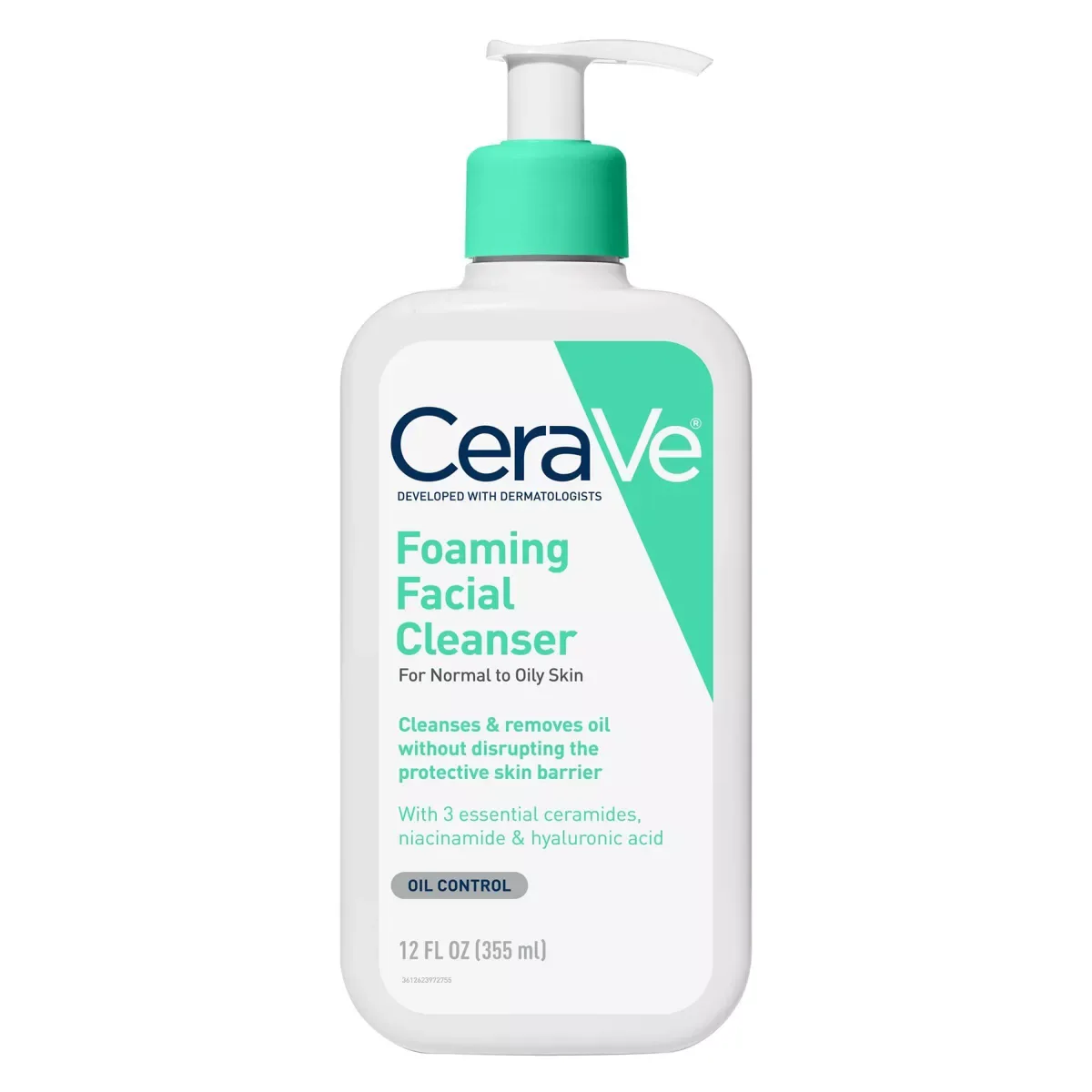
First, a cleanser — to clear the day's sebum, sweat, and grime without stripping the barrier. For the oilier skin many men have, a gel or foaming formula like CeraVe Foaming Facial Cleanser cuts oil while leaving ceramides behind; drier skin should size down to a cream or hydrating cleanser. Twice a day, or once at night if mornings are a rush.
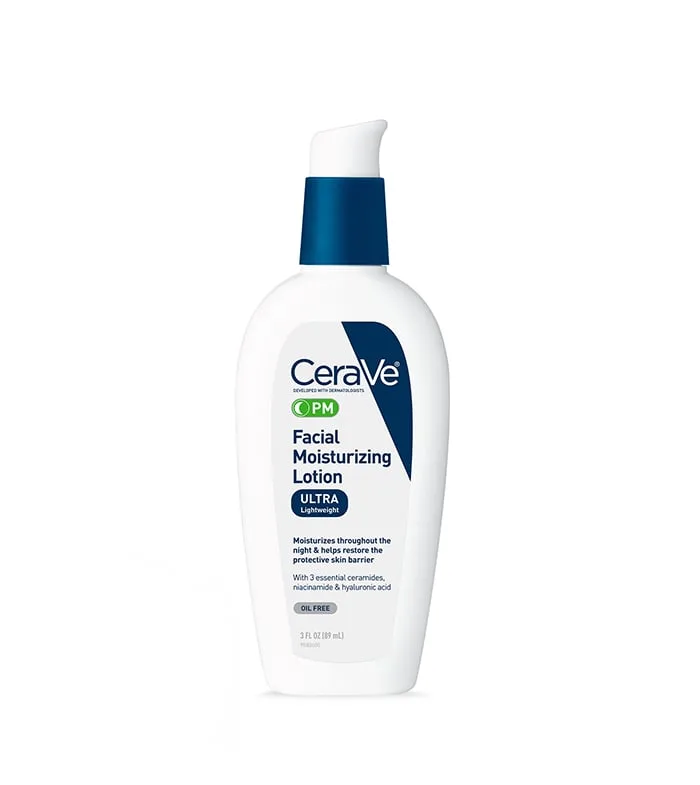
Second, a moisturizer — to replace water and support the barrier, which keeps skin comfortable and, over time, more resilient. A lightweight lotion such as CeraVe PM Facial Moisturizing Lotion delivers niacinamide and ceramides without the greasy weight that makes a lot of men quit moisturizer after a week. The 'my skin is oily so I skip moisturizer' instinct backfires — stripped skin often overproduces oil to compensate.
Third, and most important, sunscreen — a daily broad-spectrum SPF, because UV is the dominant driver of wrinkles, sun spots, and skin-cancer risk, and no amount of dermal thickness makes a face UV-proof. A fluid, non-whitening formula like La Roche-Posay Anthelios Melt-In Milk SPF 60 is the single highest-return habit here. If you do only one new thing, do this one. That is the whole core: cleanse, moisturize, protect.
The one active worth adding
Once the three basics are automatic — and only then — there is exactly one addition that earns its place for most men: a nightly retinoid. Retinoids are the most thoroughly evidenced topical for softening fine lines, smoothing texture, and gradually improving tone, with decades of dermatological data behind them. That is the payoff that justifies the one extra step; almost everything else in the men's aisle is optional at best.
The catch is that retinoids demand a slow on-ramp, because introducing one too aggressively causes the flaking and redness that make people abandon it in week two. Start low and infrequent — a gentle option like CeraVe Resurfacing Retinol Serum two nights a week, buffered with moisturizer — and build up as your skin tolerates it. Apply it at night, never skip the morning sunscreen while using it, and give it months, not days. Men's thicker, oilier skin often tolerates retinoids well, which is a genuine advantage worth using. Beyond this, if you want to layer in something for a specific concern, do it deliberately rather than by impulse; our Routine Finder builds a sequence around your skin type and goals so you are not stacking random products you saw in an ad.
Shaving is the real daily irritant
Here is the variable that actually separates most men's skin problems from women's, and it is not hormonal — it is mechanical. Regular shaving is a controlled abrasion of the face, and it is behind a large share of the irritation, redness, and ingrown hairs men chalk up to 'sensitive skin.' Dragging a blade across the skin removes not just hair but a slice of the surface barrier, and cutting curly or coarse hair below the skin line lets it curl back and grow inward, producing the inflamed bumps of ingrowns and razor burn.
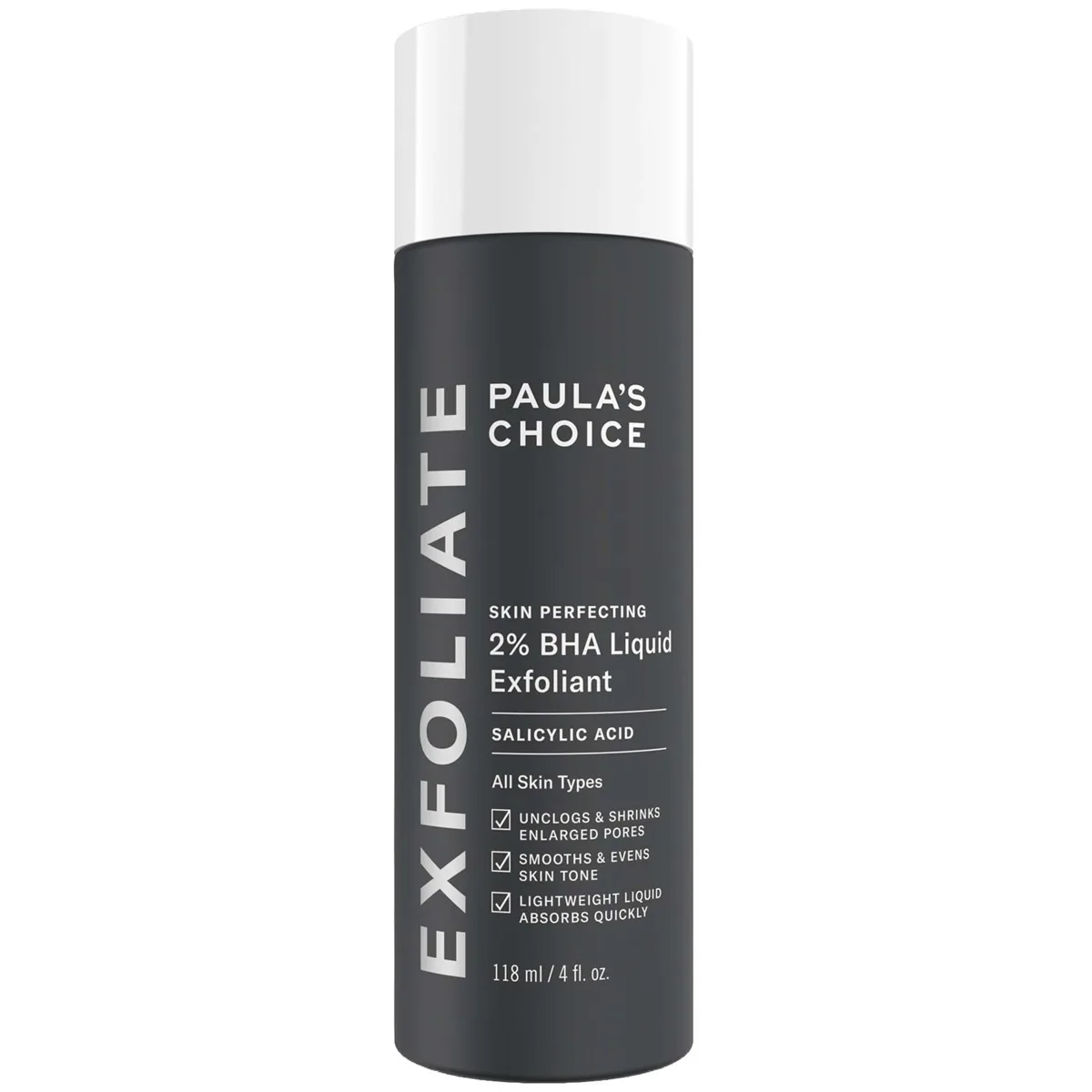
Most of the fix is technique, not a product: shave after a warm shower when the hair is softened, use enough lubrication, go with the grain rather than chasing a closer pass against it, keep a sharp blade, and don't shave irritated skin. Where a product does help is prevention of ingrowns — a leave-on beta hydroxy acid like Paula's Choice 2% BHA Liquid Exfoliant a few times a week keeps the follicle openings clear so hairs are less likely to become trapped, doing more real work than any menthol-heavy 'aftershave' that just stings. Fold that into the three-product core and, for most men, the routine is essentially complete: cleanse, moisturize, protect, shave smart, and add a retinoid when you're ready. Everything past that point is a matter of taste and specific goals, not necessity — a well-run five-step routine beats a neglected twelve-step one every single time. Twelve products was never the assignment.
Products mentioned
Independently reviewed and scored — the real products behind this piece.


References
- Male versus female skin: What dermatologists and cosmeticians should know — International Journal of Women's Dermatology, 2018
Every cited link is verified to resolve to the paper named. Where a source could not be independently confirmed, it is listed without a link rather than pointing you somewhere wrong.
Frequently asked
Do men actually need different skincare products than women?
No. The ingredients that work — cleansers, humectants, ceramides, UV filters, retinoids — perform identically regardless of gender. Male skin trends thicker and oilier on average, so many men prefer lighter textures, but that is about skin type, not a separate chemistry. A 'for men' label most often means added fragrance and a markup, not a smarter formula.
What is the minimum skincare routine for a man?
Three products: a cleanser to remove daily oil and grime, a moisturizer to support the barrier, and a daily broad-spectrum sunscreen, which is the most important of the three for preventing wrinkles and sun damage. Chosen for your skin type, that trio covers the essentials. Everything else is an optional add-on, not a requirement.
Should men use retinol, and how do you start?
Yes — a nightly retinoid is the one active worth adding once the basics are habit, with strong evidence for smoothing lines and texture. Start low and slow, about two nights a week buffered with moisturizer, and build up as tolerated. Always pair it with morning sunscreen and give it months to work. Men's thicker skin often tolerates it well.
Why do I get razor bumps and ingrown hairs, and how do I stop them?
Shaving abrades the skin and can cut coarse hair below the surface, letting it curl back and grow inward, which causes ingrowns and razor burn. Shave after a warm shower with the grain using a sharp blade and enough lubrication, and use a leave-on BHA a few times weekly to keep follicles clear. Technique prevents far more irritation than any aftershave.
Is a moisturizer necessary if I have oily skin?
Yes. Skipping moisturizer on oily skin often backfires, because stripped skin can overproduce oil to compensate. The fix is a lightweight, non-greasy lotion rather than a heavy cream — it supports the barrier and keeps skin comfortable without adding shine. Oiliness is a reason to choose the right texture, not to skip the step.