Spironolactone: The Blood-Pressure Pill That Quietly Became First-Line for Hormonal Acne
A 60-year-old diuretic is now one of dermatology's most reliable tools for adult women's jawline breakouts — so why does it still get treated like a secret?
Read the preview
From the DermApproved blog, in Treatments and Procedures: spironolactone — the blood-pressure pill that quietly muscled its way into the acne clinic. Here's the twist. It was never designed for your skin, it spent decades in off-label limbo, and yet for adult women with those deep, cyclical jawline breakouts, it's become a quiet first-line. A big 2023 trial finally put real evidence behind what dermatologists suspected for years — but there's a catch in the timeline that makes most people quit right before it works, and one group who should never touch it. We get into who it's for, the monitoring that actually matters, and the gentle routine that makes it land — because scorching your skin like a teenager is exactly the wrong move. Curious whether the jawline pill is your move? It's all at dermapproved.com/blog.
A diuretic that wandered into the acne clinic
Spironolactone was designed in the late 1950s to treat high blood pressure and fluid retention by blocking aldosterone in the kidney. Its acne career is an accident of chemistry: the same molecule that competes with aldosterone also competes with androgens at their receptor, and it partially dials down androgen production. Dermatology noticed, borrowed the drug, and never gave it back.
That backstory matters because it explains both the drug's strengths and its baggage. The doses used for acne — typically 50 to 100 mg a day — are lower than classic cardiac dosing, and the blood-pressure and potassium effects at those doses are modest in healthy young women. But because it was never developed or marketed as an acne drug, it spent decades in an "off-label" limbo: widely prescribed by dermatologists who saw it work, rarely studied in the large trials that would make it official. For years the honest answer to "does this actually work?" was "clinicians are convinced, but the data are thin." That gap is finally closing.
Why jawline acne is a hormonal signal, not a hygiene problem
Adult hormonal acne has a signature. It clusters on the lower face — jaw, chin, along the mandible and sometimes the neck — it runs deep and tender rather than surface-level, and it tends to flare on a cycle, often in the week before a period. This is not because that skin is dirtier. It is because sebaceous glands in the lower face are richly stocked with androgen receptors, and androgens (testosterone and its more potent cousin DHT) are the master switch for oil production.
When those glands run hot, they pump out more sebum, the follicle clogs, and the resident acne bacteria feed and inflame. Crucially, most women with this pattern have completely normal blood hormone levels — the problem is local receptor sensitivity, not a measurable hormonal disease. That is the whole reason topicals so often plateau here: a retinoid and a BHA can keep the pore clear and calm inflammation, but they cannot turn down the androgen signal driving the gland. Spironolactone can. It occupies the androgen receptor and reduces androgen output, so the gland gets quieter at the source rather than being managed downstream.
What the evidence actually shows
For most of spironolactone's dermatologic life the case rested on experience and small series. That changed with the SAFA trial, published in the BMJ in 2023 — a pragmatic, multicentre, double-blind randomised study that assigned 410 women with persistent facial acne to spironolactone or placebo and analyzed 342. Participants started at 50 mg daily and escalated to 100 mg if tolerated, and the spironolactone group reported meaningfully better acne quality-of-life scores than placebo. Tellingly, the gap between the two groups was larger at 24 weeks than at 12 — the benefit compounds with time. A 2025 systematic review and meta-analysis in the Australasian Journal of Dermatology pooled the randomised evidence and reached the same verdict: a real, clinically useful effect in adult women.
Here is the honest caveat the headlines skip. "Statistically significant improvement in symptom scores" is not "everyone cleared." SAFA measured patient-reported outcomes and modest, real-world acne, not a dramatic before-and-after. Spironolactone is a good, dependable lever — not a cure, and not isotretinoin. It shines for the persistent low-face inflammatory pattern in women, and underperforms for comedonal, purely surface acne where a retinoid is the smarter first move.
Spironolactone is also not the only systemic anti-androgen lever. Certain combined oral contraceptives — those built on an estrogen plus a progestin that does not itself act androgenic — raise a protein called sex-hormone-binding globulin, which mops up circulating free testosterone before it ever reaches the oil gland. Several are formally approved for acne, and dermatologists frequently reach for one either on its own or alongside spironolactone, since the pill also solves the menstrual spotting that spironolactone can cause. The two together attack the same problem from different angles: the pill lowers the fuel supply while spironolactone blocks the receptor. Which lever comes first is an individual decision that weighs clotting risk, blood pressure, and personal preference.
Timeline, monitoring, and the pregnancy rule
The single most common way people give up on spironolactone is quitting too early. This is not a fast drug. The first four to six weeks often look like nothing; some women even notice a brief uptick before it settles. The real turn usually arrives around month three, with full benefit closer to month six. Dose-chasing in week five is the wrong instinct — patience is the active ingredient.
Monitoring is lighter than the drug's reputation suggests. In healthy young women, routine potassium bloodwork is frequently unnecessary at acne doses, though clinicians will check it when there is kidney disease, relevant medication overlap, or older age. The predictable, dose-related nuisances are increased urination, occasional lightheadedness, breast tenderness, and menstrual spotting — the last often solved by pairing with a combined oral contraceptive. The non-negotiable is pregnancy: because spironolactone is an anti-androgen, it carries a theoretical risk of feminizing a male fetus, so it is avoided in anyone who could become pregnant without reliable contraception, and it is not a men's acne drug in routine practice. Before an appointment, our derm-visit prep walkthrough helps you organize your cycle pattern and past treatments so the visit actually moves.
The topical routine that makes it work
Spironolactone handles the hormonal signal; your topicals still have to do the barrier, the blackheads, and the sun protection. The goal underneath an oral anti-androgen is a calm, non-stripping routine — the opposite of the scorched-earth approach many adults inherit from their teens. Start with a gentle, low-pH cleanser like La Roche-Posay Toleriane Caring Wash that removes oil without wrecking the barrier, because a compromised barrier only invites more inflammation.
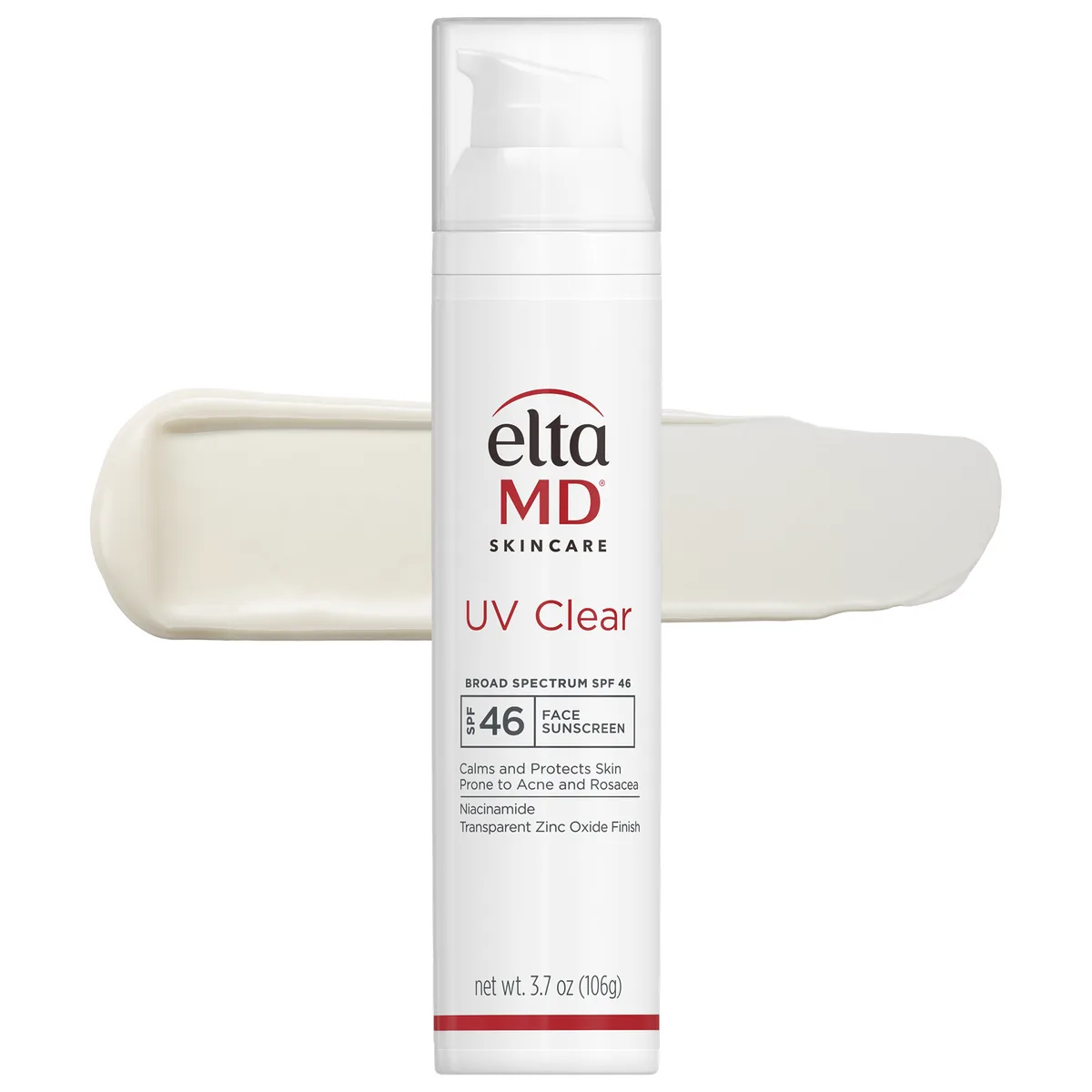
For the actual acne work, azelaic acid is the quiet MVP: it is anti-inflammatory, mildly comedolytic, and fades the brown post-acne marks that hormonal breakouts leave behind, all while being gentle enough for daily use. A well-formulated option like Geek & Gorgeous aPAD Azelaic Serum slots neatly beside spironolactone. Keep the skin resilient with a barrier moisturizer such as Versed Daily Recovery Rich Barrier Cream, and treat daily sunscreen as mandatory — EltaMD UV Clear SPF 46 pairs a light zinc base with niacinamide, which is ideal over acne-prone skin that is also fighting discoloration. If you want to see whether any of your current actives clash with a new azelaic or retinoid step, run them through our conflict checker before you layer.
Products mentioned
Independently reviewed and scored — the real products behind this piece.


References
- Effectiveness of spironolactone for women with acne vulgaris (SAFA) in England and Wales: pragmatic, multicentre, phase 3, double blind, randomised controlled trial — BMJ, 2023
- Spironolactone for the Treatment of Moderate to Severe Acne in Adult Women: A Systematic Review and Meta-Analysis of Randomised Controlled Trials — Australasian Journal of Dermatology, 2025
Every cited link is verified to resolve to the paper named. Where a source could not be independently confirmed, it is listed without a link rather than pointing you somewhere wrong.
Frequently asked
How long does spironolactone take to clear hormonal acne?
Plan on three to six months, not weeks. The first month is often uneventful and some people see a brief flare before improvement. The SAFA trial found benefit was larger at 24 weeks than at 12, so consistency matters more than raising the dose early.
Do I need blood tests to take spironolactone for acne?
For healthy young women on acne-range doses (50-100 mg), routine potassium monitoring is often considered unnecessary. Testing is reserved for those with kidney issues, older age, or interacting medications. Your prescriber decides based on your history.
Can men take spironolactone for acne?
In routine practice, no. Because it blocks androgens, spironolactone can cause breast tenderness and enlargement in men and is generally avoided for male acne. Men with hormonal acne are usually steered toward other systemic options.
Is spironolactone safe during pregnancy?
No. Its anti-androgen action carries a theoretical risk of feminizing a male fetus, so it is avoided in pregnancy and in anyone who could become pregnant without reliable contraception. This is why it is often paired with a combined oral contraceptive.
Should I keep using my topical acne products on spironolactone?
Yes. Spironolactone quiets the hormonal driver but does not clear existing clogs or fade marks. A gentle cleanser, azelaic acid or a retinoid, a barrier moisturizer, and daily sunscreen still do the surface-level work.