AI Skin-Analysis Apps: Genuine Tool or High-Tech Gimmick?
Point your phone at your face and an app 'diagnoses' your skin and — conveniently — hands you a shopping list. The computer vision is real; the objectivity often isn't.
Read the preview
From the DermApproved blog, in Industry & Trends: AI skin-analysis apps — genuine tool, or a very high-tech way of being sold something? Point your phone, hold still, and seconds later: hydration scores, a pore verdict, a 'skin age' suspiciously older than you are — and, conveniently, a routine to buy. The computer vision is real. That's what makes it tricky. Because there's a catch hiding in who, exactly, is doing the diagnosing — and what they'd love to sell you next. There's also one thing these apps are genuinely, quietly excellent at, that nobody markets. And one situation where trusting them could be a real mistake. Tool or gimmick? The honest answer is both — depending entirely on what you ask of it. At dermapproved.com/blog.
The dermatologist-in-your-camera promise
The demo is genuinely slick. You aim your phone, hold still while a scanning animation sweeps your face, and seconds later a dashboard blooms: hydration 62%, pores 'elevated,' redness 'moderate,' a wrinkle score, a pigmentation map, an overall 'skin age' that is almost always a year or two north of your real one. Then, seamlessly, the fix — a curated three-step routine, add-to-cart buttons already loaded. It feels like a dermatologist visit compressed into fifteen seconds and zero dollars.
The technology underneath is not fake. This is real computer vision, and the category is booming — valued in the low billions and climbing fast as every brand races to bolt a scanner onto its app. Models trained on millions of skin images can quantify measurable surface features with accuracy that, for some parameters, approaches trained-grader consistency. That's the part worth taking seriously. The part worth scrutinizing is everything that happens after the scan — the leap from 'here are your pore measurements' to 'here is what you must buy,' which is where a measurement tool quietly becomes a sales funnel.
What the camera can and can't see
Be precise about what's actually being measured, because the marketing blurs it on purpose. These apps perform computer-vision quantification of surface characteristics from a standardized photo: fine lines, pore visibility, evenness of tone, visible redness, surface texture, sometimes an estimate of hydration inferred from how light reflects. That's a legitimate, useful set of numbers. What they are emphatically not doing is diagnosing a disease, reading anything beneath the surface, or 'knowing' your skin the way a clinician touching it and taking a history would.
And the numbers are fragile. The same face scanned under warm bathroom light versus cool daylight, at a different angle, on a different phone, can produce meaningfully different scores — image capture is a known weak point, with even purpose-built medical apps failing to get a usable image in a notable fraction of attempts. Performance also skews across skin tones, because training data has historically underrepresented darker skin, so a 'redness' or 'pigmentation' read can be less reliable exactly where it matters most. A number that swings with your lighting isn't the objective truth the interface implies; it's a snapshot with error bars the app never shows you.
When the diagnosis has something to sell
Here's the structural problem no amount of better AI fixes: the incentive. When the entity measuring your skin is also the entity selling the remedy, 'you have elevated pore congestion and early photoaging' is not a neutral finding — it's a lead. An app monetized by product sales has every reason to calibrate toward detecting problems, nudging your 'skin age' upward, and surfacing concerns that map neatly onto items in its catalog. This isn't a claim that every app lies; it's that the business model rewards a certain kind of answer, and you should read the verdict with that in mind.
The tell is what the recommendation looks like. If the scan for oily, blemish-prone skin and the scan for dry, sensitive skin both funnel toward the same hero serum, the 'diagnosis' is doing marketing work. The antidote is separating the measurement from the merchandising: use the numbers as one input, then choose products on their actual merits. Gentle, broadly-useful staples — a fragrance-free cleanser like La Roche-Posay Toleriane Caring Wash, a soothing hydrator such as SKIN1004 Hyalu-Cica Blue Serum, and a daily sunscreen like Isntree Hyaluronic Acid Watery Sun Gel SPF 50 — serve most skin well regardless of what any scanner's shopping cart insists you urgently need. Our routine finder builds a regimen from your goals without a checkout attached to the answer.
The one thing they're genuinely good at
None of this makes the technology worthless — it makes it worth using for the right job. And there is a right job: tracking change over time. Your memory of what your skin looked like eight weeks ago is unreliable and flattering-or-catastrophizing by turns; a standardized photo taken under consistent conditions is neither. Used purely as a measuring stick — same spot, same light, same angle, every few weeks — an AI scanner can show you whether that retinoid is actually fading a dark spot or whether the new moisturizer changed anything at all. That's real, and it's more honest than the mirror.
The key is stripping the tool down to that function and ignoring the storefront. Our photo-tracker exists for exactly this: consistent before-and-afters that let you judge a routine on evidence rather than vibes and marketing. Think of the AI as a tape measure, not an oracle. It's excellent at telling you whether a number moved; it's untrustworthy at telling you what to buy, and out of its depth telling you what anything means medically.
Where an app is the wrong tool entirely
The hard line is medicine. For a changing mole, a spreading rash, a lesion that itches or bleeds, or any suspicion of skin cancer, a consumer skin app is not a screening test — and the evidence is blunt about this. A 2020 systematic review in The BMJ found the skin-cancer apps then on the market were built on small, poor-quality studies and missed real cancers at rates that would be dangerous to rely on. Even a rigorous 2026 prospective study in the British Journal of Dermatology, testing a purpose-built medical app, landed at a sensitivity around 82% with a meaningful share of lesions the app couldn't even capture — impressive as engineering, unacceptable as a reason to skip a biopsy.
A cosmetic 'skin age' scanner is not built for this at all, and treating a green 'looks fine' from a beauty app as reassurance about a suspicious spot is the genuinely risky misuse. The right move is unglamorous: if something on your skin is new, changing, or worrying, see a clinician. If you want to make that visit count, our derm-visit-prep tool helps you document the timeline and the questions worth asking. So — tool or gimmick? Both, depending on what you ask of it. As a mirror with a memory, an AI scanner is a modestly useful gadget. As a diagnostician with a store attached, it's a very sophisticated way of being sold something.
Products mentioned
Independently reviewed and scored — the real products behind this piece.

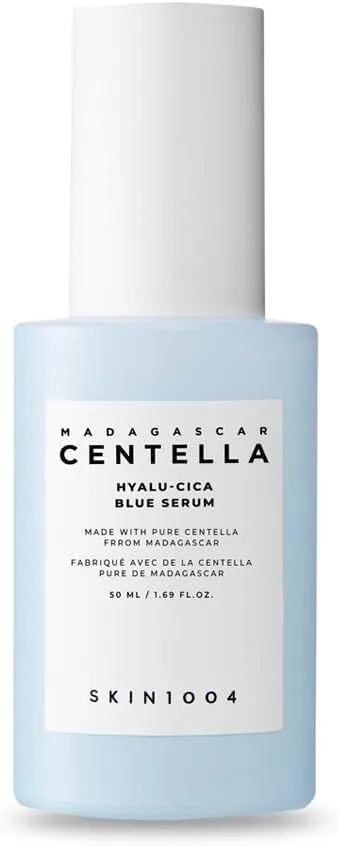
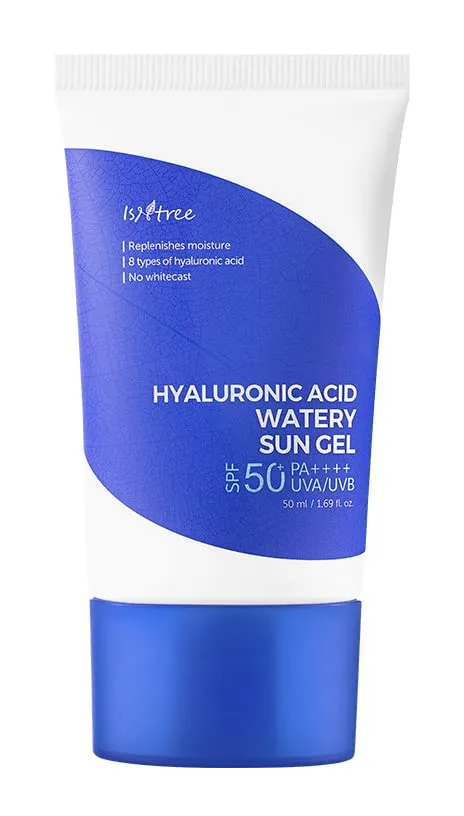
References
- Algorithm based smartphone apps to assess risk of skin cancer in adults: systematic review of diagnostic accuracy studies — The BMJ, 2020
- Artificial intelligence-based smartphone application for skin cancer detection: a prospective diagnostic accuracy study — British Journal of Dermatology, 2026
Every cited link is verified to resolve to the paper named. Where a source could not be independently confirmed, it is listed without a link rather than pointing you somewhere wrong.
Frequently asked
Are AI skin-analysis apps accurate?
For measuring surface features like pores, redness, and pigmentation, the better ones are reasonably accurate under controlled conditions. But scores swing with lighting, camera angle, and phone model, and reliability tends to be weaker on darker skin tones because of training-data gaps. They quantify what a photo shows — they don't reveal anything beneath the surface or diagnose disease.
Can an app tell me what skincare products I need?
It can suggest a routine, but be skeptical when the app selling the diagnosis also sells the products — that business model rewards finding problems that match its catalog. Use the measurements as one input, then choose products on their actual formulation and your goals. A recommendation engine with a checkout button attached is doing marketing as much as analysis.
Can a phone app detect skin cancer?
No consumer app should be trusted for that. A 2020 BMJ review found skin-cancer apps missed real cancers at concerning rates, and even a rigorous 2026 medical-app study reached only about 82% sensitivity with many lesions it couldn't capture. For a changing mole or suspicious spot, see a clinician — an app is not a screening test.
Is there any genuinely useful way to use AI skin analysis?
Yes — for tracking change over time. Standardized photos taken in consistent conditions are more objective than your memory, so a scanner used as a measuring stick can show whether a treatment is actually working over several weeks. The trick is using it to measure progress, not to decide what to buy or to interpret anything medical.