Best Vitamin E Moisturizers
Updated September 2026 · independently researched, no sponsored placements
Our top 40 picks, ranked from 108 reviewed products — ordered by how well each product does its category’s job.








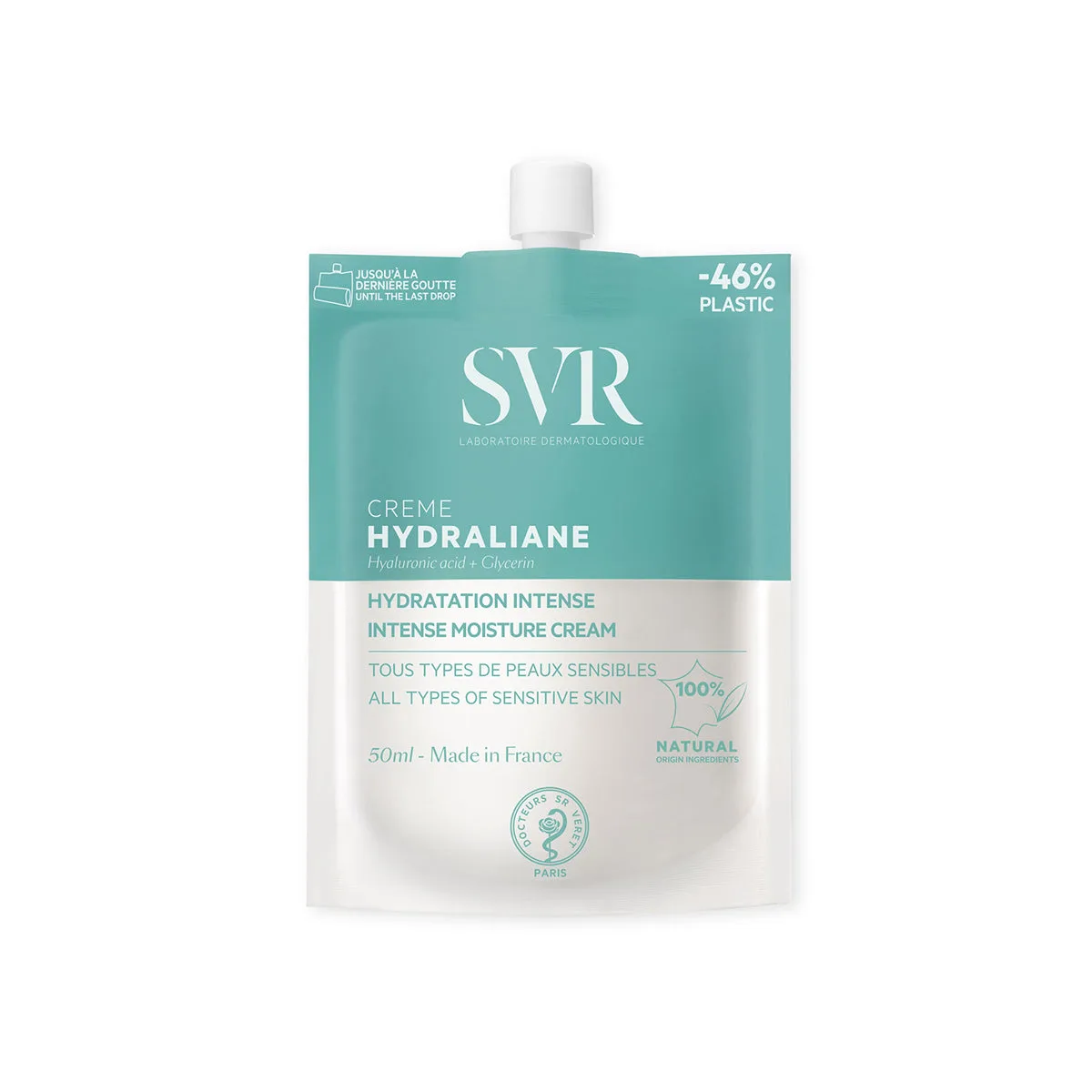


How to Choose
A vitamin E moisturizer is less about chasing one hero ingredient and more about choosing a well-built cream that happens to use vitamin E the way it works best — tucked into the oil phase, supporting the barrier and keeping the formula itself stable. Vitamin E (tocopherol) is fat-soluble, so it slots naturally into the lipids of a moisturizer, where it does double duty: it's a skin-conditioning antioxidant that helps defend the barrier against oxidative stress, and it protects the cream's own plant oils and butters from going rancid.
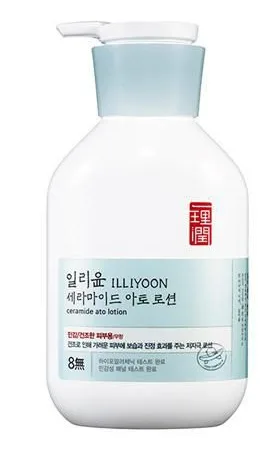
That's why you'll find it quietly listed in the vast majority of moisturizers, from a $10 Cetaphil Healing Ointment to a $136 luxury jar. " For dry or compromised skin, look for vitamin E alongside genuine barrier builders: ceramides, cholesterol, and shea butter, as in Illiyoon's Ceramide Ato Lotion ($18) or Etude's SoonJung cream ($20). For oilier skin, a lighter gel where vitamin E rides with humectants like glycerin keeps things weightless. The honest caveat: vitamin E is a supporting antioxidant, not a transformative active, and a moisturizer marketed primarily around it deserves a skeptical look at the rest of the formula. Pure tocopherol can also occasionally clog very acne-prone skin, so favor a lightweight base there. At $10 to $136, the budget pharmacy and K-beauty options here repair and protect every bit as well as the premium tier.
Buying Guide
Treat vitamin E as a near-given and choose the moisturizer on its base instead. For dry, sensitive, or barrier-compromised skin, look for vitamin E sitting alongside ceramides, cholesterol, shea butter, or urea — that combination is what actually repairs and holds moisture, with the tocopherol adding antioxidant support and helping keep the oils stable. For oily or combination skin, a lighter gel or lotion where vitamin E pairs with glycerin and hyaluronic acid delivers the benefit without heaviness. Note the form: tocopherol is the active antioxidant version, while tocopheryl acetate is a more stable derivative the skin converts more slowly. Very acne-prone skin should be cautious with rich, oil-heavy vitamin E creams, which can occasionally clog pores — a non-comedogenic, lighter base is safer. Be skeptical of any moisturizer leaning hard on vitamin E as its headline, since it's an inexpensive, ubiquitous ingredient; read the rest of the formula. Price tells you little about performance here — $13–$28 options match the costly jars on results.
Frequently Asked Questions
What are the benefits of vitamin E in a moisturizer?
In a cream, vitamin E acts as a fat-soluble antioxidant that supports the skin barrier against oxidative stress while also conditioning and softening the skin. It additionally helps protect the moisturizer's own oils from oxidizing, so it benefits both your skin and the formula's shelf stability — though it's a supporting ingredient, not a dramatic active.
Is a vitamin E moisturizer good for dry skin?
It can be, but the dryness relief comes mainly from the surrounding ingredients — vitamin E works best in a base with ceramides, shea butter, and humectants that actually repair and seal the barrier. Choose a richer formula combining those with vitamin E rather than picking a product solely because vitamin E is on the label.
Can vitamin E moisturizer clog pores or cause breakouts?
For most skin it doesn't, but pure tocopherol in a heavy, oil-rich cream can be comedogenic for very acne-prone skin. If you break out easily, opt for a lightweight, non-comedogenic moisturizer where vitamin E is a minor supporting ingredient rather than a thick balm built around oils and butters.
Do I need a separate vitamin E product if my moisturizer has it?
Usually not — vitamin E is so commonly included in moisturizers, serums, and sunscreens that most routines already supply plenty. A dedicated vitamin E product is only worth it if you specifically want extra antioxidant support, and even then it's most effective paired with vitamin C rather than used alone.