Squalane Oils: What the Verdicts Say
Updated September 2026 · independently researched, no sponsored placements
Our top 22 picks — ranked by our overall assessment of formula, safety and value.
This category has no job verdict yet: what a oil product is for cannot be measured from the ingredient list, so this list is ranked on the concern verdicts and tolerability alone — it says what the verdicts say, not which is best.






How to Choose
The best squalane oil is the one your skin recognizes — because squalane is a near-perfect mimic of squalene, a lipid your own sebum produces and gradually makes less of as you age. That biomimicry is the entire appeal.
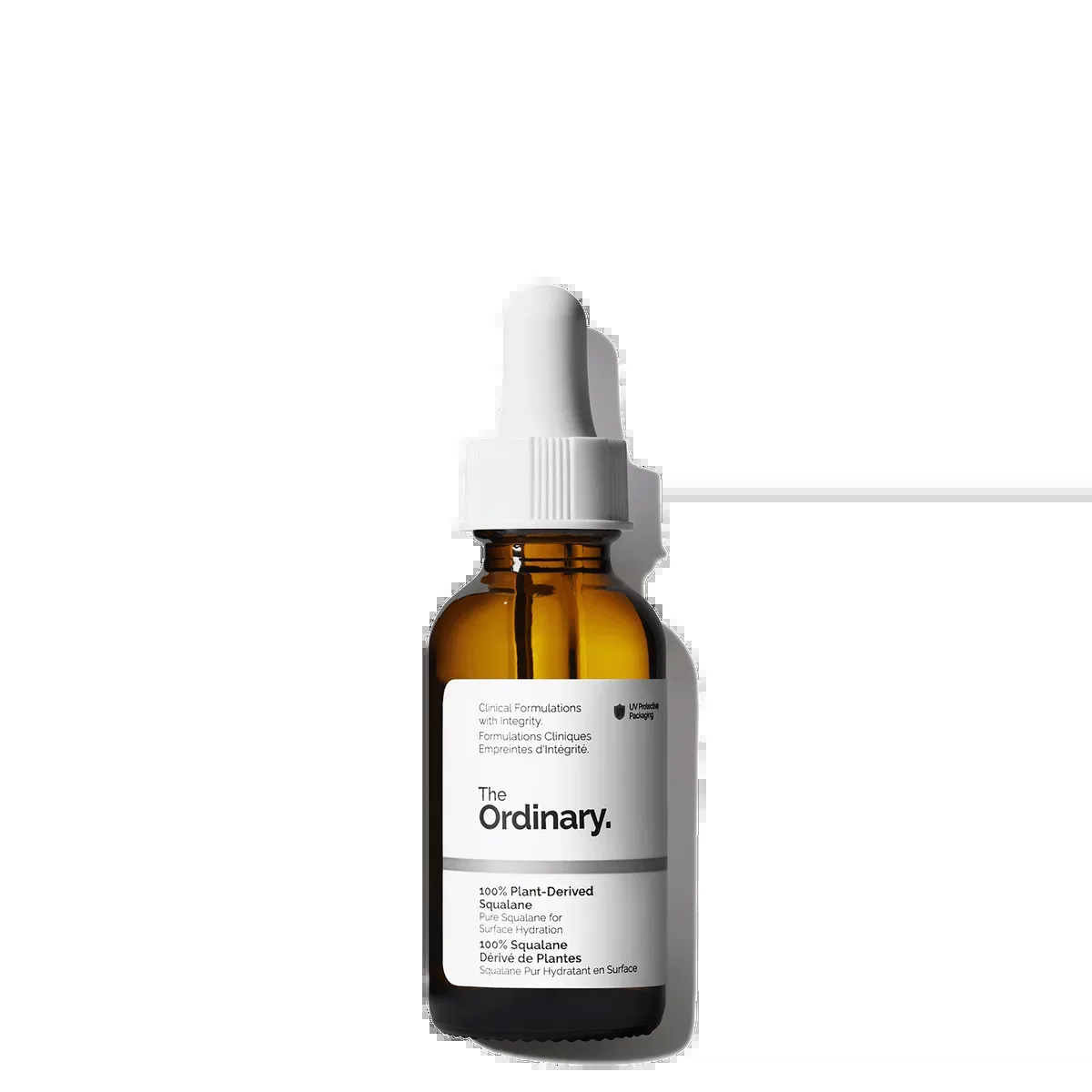
Where heavier plant oils can sit on top of skin or clog pores, squalane is featherlight, absorbs almost instantly, and is one of the most universally non-comedogenic oils there is, which is why it suits everything from oily and acne-prone skin to fungal-acne-prone routines that reject most oils. It's also remarkably stable: the original squalene oxidizes and turns rancid fast, but hydrogenating it into squalane gives you something that won't go off in the bottle or oxidize on your face. Here's the genuinely useful part — squalane is an emollient, not a hydrator. It contains no water, so it can't 'moisturize' on its own; it works by sealing in the hydration underneath it. Apply it over a damp humectant layer (a hyaluronic serum, an essence) and it locks that water in beautifully. As for what to buy: squalane is squalane, a single defined molecule, so the $10 The Ordinary 100% Plant-Derived bottle is chemically the same active as a $160 luxury one. The premium options like HABA's heritage Japanese oil or blends like Summer Fridays buy you texture, scent, or added oils — not a better squalane. Start with a pure, inexpensive version, layer two or three drops over damp skin as your last step, and let the simplest oil in skincare do its quiet, reliable job.
Buying Guide
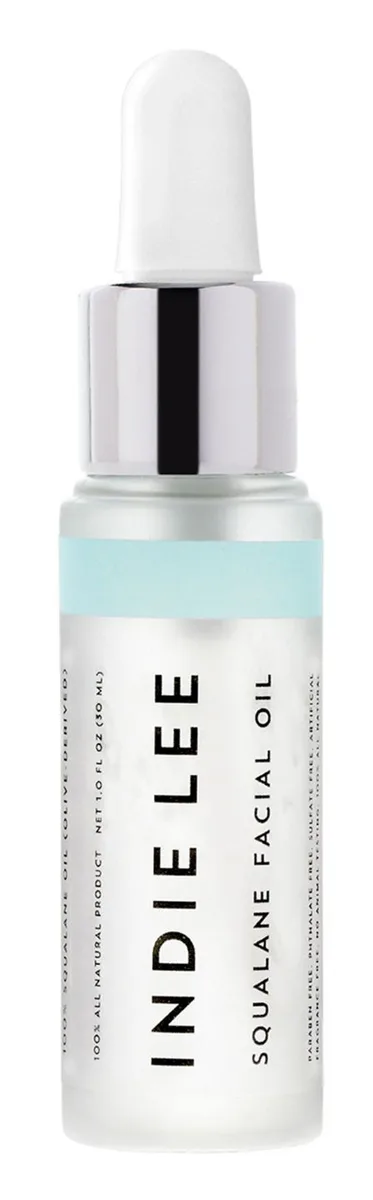
Decide first whether you want pure squalane or a blend. A single-ingredient bottle (The Ordinary, HABA, Indie Lee) gives you the lightweight, non-comedogenic, fragrance-free emollient in its simplest form — ideal for sensitive, oily, or fungal-acne-prone skin. Blends (Summer Fridays, Byoma Recovery Oil, Herbivore) fold squalane into rosehip, ceramides, or hemp oil for extra benefits, but also add more potential irritants, so read the label if you're reactive. Remember squalane seals rather than hydrates: apply it last, over a damp humectant layer, to trap moisture in. Texture is consistently light and fast-absorbing, so two or three drops is plenty. On price, the key fact is that pure squalane is a defined molecule — the $10 and $160 versions deliver the same active — so spend up only for a blend's added oils, a refined texture, or scent, never for 'better' squalane itself.
Frequently Asked Questions
What does squalane oil do for your skin?
Squalane is a lightweight emollient that mimics a lipid your skin naturally produces, so it softens, smooths, and seals in moisture without feeling greasy or clogging pores. It doesn't hydrate on its own — it has no water — but it locks in the hydration from products underneath it. Its biomimicry and stability make it suitable for nearly every skin type, including oily and acne-prone.
Is squalane oil good for acne-prone or oily skin?
Yes — squalane is one of the most non-comedogenic oils available and is generally considered safe even for fungal-acne-prone skin, since it doesn't feed the yeast involved. Its light, fast-absorbing texture won't leave the greasy film that heavier oils can. A pure version like The Ordinary's is a safe, inexpensive way to add an oil step without triggering breakouts.
Is expensive squalane oil better than cheap squalane?
Not in terms of the active itself — squalane is a single, defined molecule, so a $10 bottle and a $160 one contain the same ingredient doing the same job. You pay more for refined textures, added oils in a blend, fragrance, or brand prestige. For pure squalane, an affordable option like The Ordinary performs identically to luxury single-ingredient oils.
How do you use squalane oil in a routine?
Apply it as the last step of your skincare, after serums and moisturizer, ideally over slightly damp skin so it can seal in that hydration. Two or three drops pressed gently into the face is enough; more just sits on the surface. At night you can use it alone as a final occlusive, and in the morning it layers fine under sunscreen if your skin tolerates it.