Best SPF Moisturizers for Combination Skin
Updated September 2026 · independently researched, no sponsored placements
Our top 40 picks, ranked from 136 reviewed products — ordered by how well each product does its category’s job.











How to Choose
The best SPF moisturizers for combination skin solve two problems at once — daily sun protection plus balanced hydration — but the finish is where most of them fail you. Combination skin wants a product that won't leave the T-zone slick by mid-morning or the cheeks feeling tight and powdery, and a lot of SPF moisturizers swing too far one way.
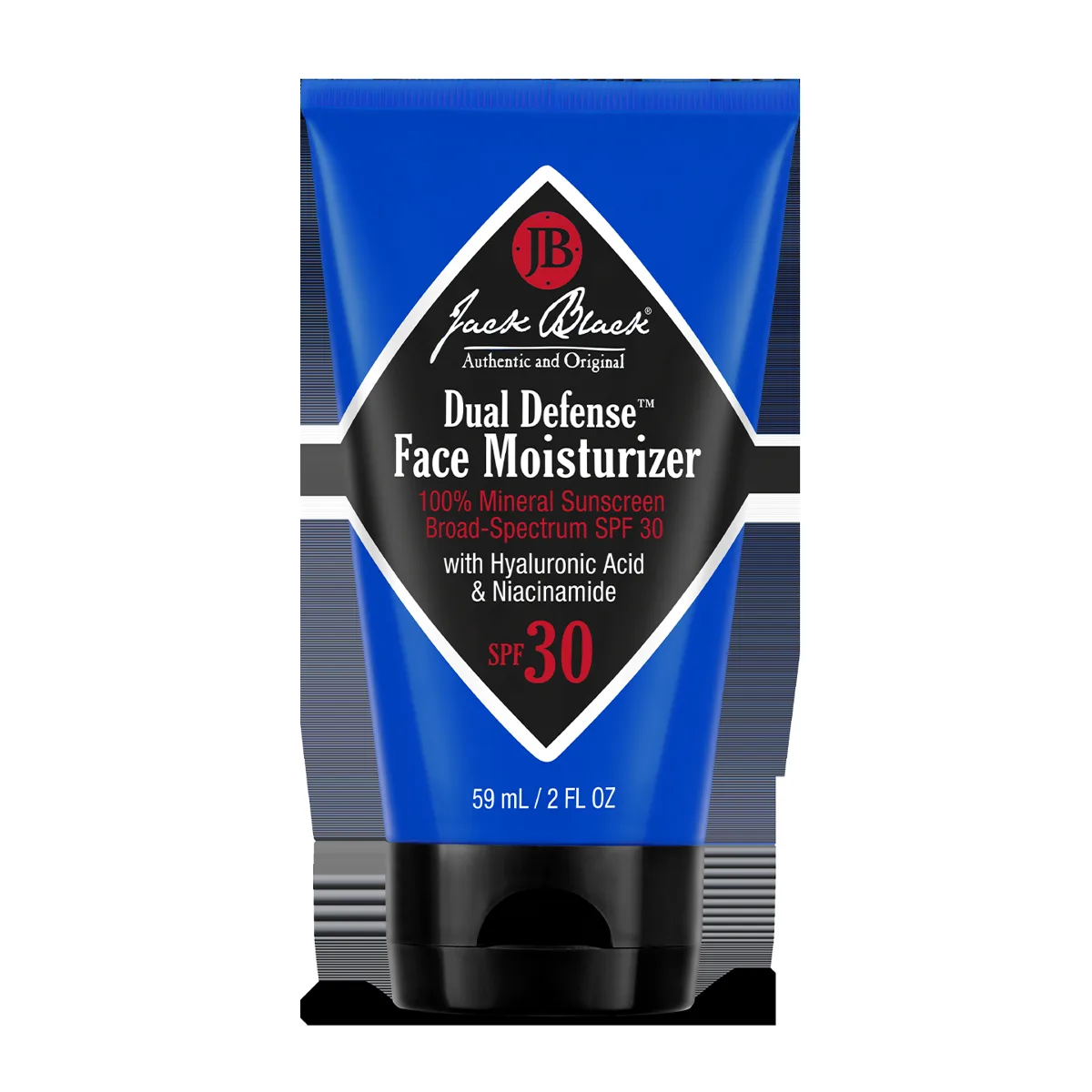
The trick is a formula that hydrates with humectants (glycerin, hyaluronic acid) and includes niacinamide to help moderate oil in the central face, finishing somewhere between dewy and natural rather than greasy or flat. Niacinamide is nearly universal in the standout picks for exactly this balancing reason — it's in the Ilia Super Serum Skin Tint SPF 40 ($54), the affordable Drmtlgy Tinted SPF 46 ($32), and CeraVe's Brightening Lotion SPF 30 ($25). Tinted options with iron oxides are a smart bonus, since the tint blurs the look of pores in the T-zone and adds visible-light protection. What to look for: broad-spectrum SPF 30+, niacinamide, a humectant base, and a finish that suits your zones. The real caveat is one nobody likes to hear — an SPF moisturizer is genuinely protective only if you apply enough (most people use far too little) and reapply through the day, which is awkward over makeup. As a convenient morning baseline it's excellent; as your sole sun strategy on a beach day it isn't. At $10 to $91, the mid-priced tinted formulas are the sweet spot.
Buying Guide
Finish is the make-or-break factor for combination skin, so look for an SPF moisturizer that lands between dewy and natural — hydrating enough for the cheeks without leaving the T-zone shiny. Niacinamide is the active to prioritize, since it helps balance oil in the central face while supporting the barrier elsewhere, and a humectant base of glycerin or hyaluronic acid delivers weightless hydration. Confirm the basics first: broad-spectrum protection at SPF 30 or higher, and a mineral (zinc oxide) or well-formulated chemical filter system, depending on your preference. Tinted formulas with iron oxides are worth considering, as the tint blurs pores and adds protection against visible light, which is relevant for anyone prone to pigmentation. Be realistic about the format's limits: an SPF moisturizer counts as sun protection only when applied generously and reapplied, which is difficult over makeup, so it's best as a daily baseline rather than your only defense on high-exposure days. Price spans widely from about $10 to $91, with strong tinted and untinted options in the $25 to $40 range, so let finish and niacinamide guide you over the price tag.
Frequently Asked Questions
Can one SPF moisturizer work for both oily and dry areas?
Yes, if you choose a balanced formula — one that hydrates the drier cheeks with humectants while including niacinamide to moderate oil in the T-zone, finishing between dewy and natural. Avoid heavily mattifying SPF moisturizers that dry out the cheeks and overly rich ones that leave the central face greasy.
Is an SPF moisturizer enough sun protection on its own?
It can be for everyday, lower-exposure days, but only if you apply a generous amount and reapply every couple of hours — and most people apply too little to reach the labeled SPF. For prolonged outdoor exposure, a dedicated sunscreen applied properly is the more reliable choice.
Should combination skin use a tinted or untinted SPF moisturizer?
Either works, but tinted formulas with iron oxides offer two bonuses for combination skin: they blur the look of pores in the T-zone and add protection against visible light, which helps with pigmentation. Untinted versions are simpler for layering under makeup, so it comes down to your routine and coverage preference.
How do I reapply SPF moisturizer over makeup?
Reapplying a cream SPF over makeup is awkward, so many people switch to a powder or spray sunscreen for midday touch-ups. This is a real limitation of SPF moisturizers, which is why they're best viewed as a convenient morning base rather than an all-day protection solution.
Does niacinamide in an SPF moisturizer help combination skin?
Yes — niacinamide is especially useful for combination skin because it helps regulate oil in the T-zone while supporting the barrier in drier areas. It's also well tolerated and can improve the look of pores and tone, making it a valuable addition to a daily SPF moisturizer.