Best Oil-Free Moisturizers
Updated September 2026 · independently researched, no sponsored placements
Our top 40 picks, ranked from 195 reviewed products — ordered by how well each product does its category’s job.





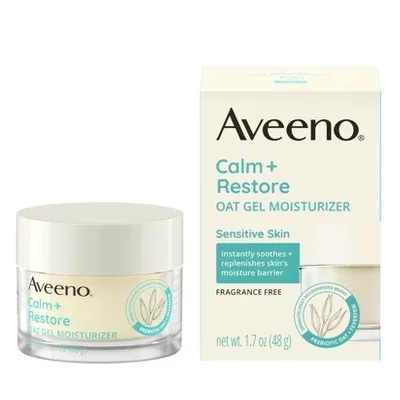

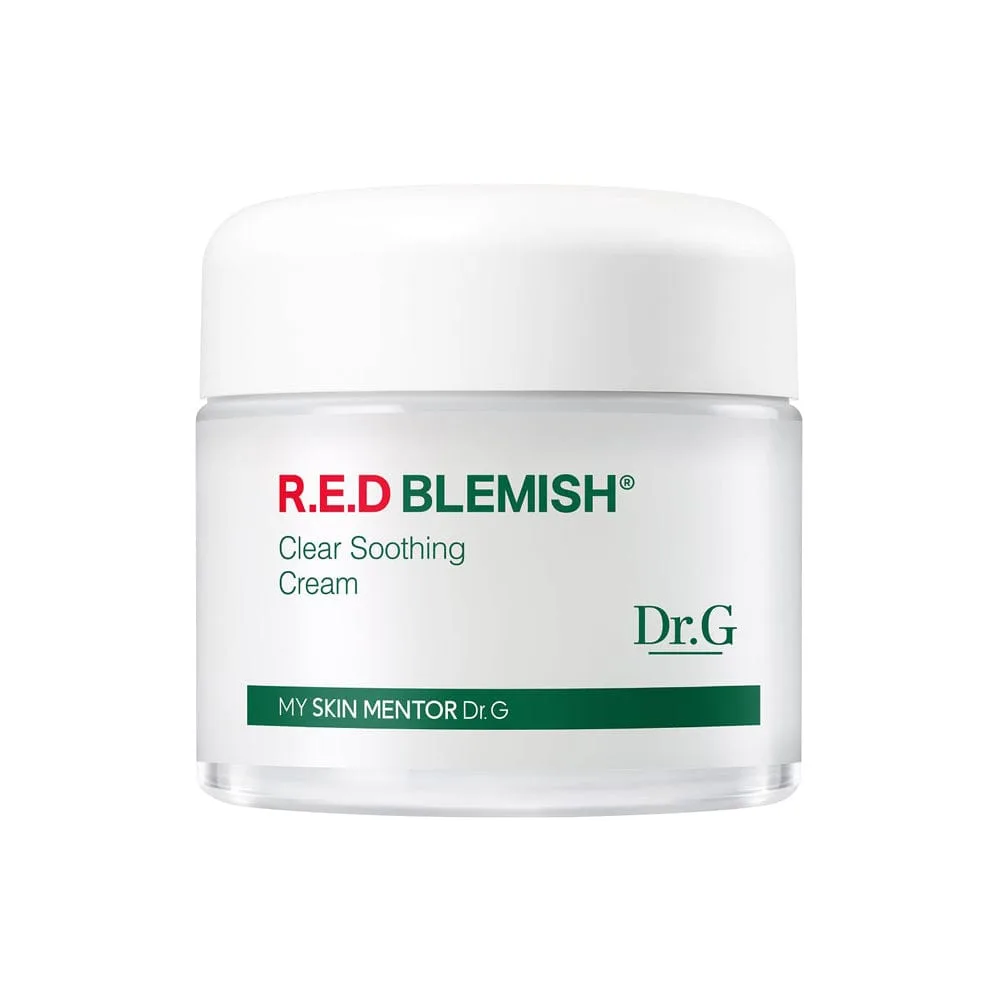


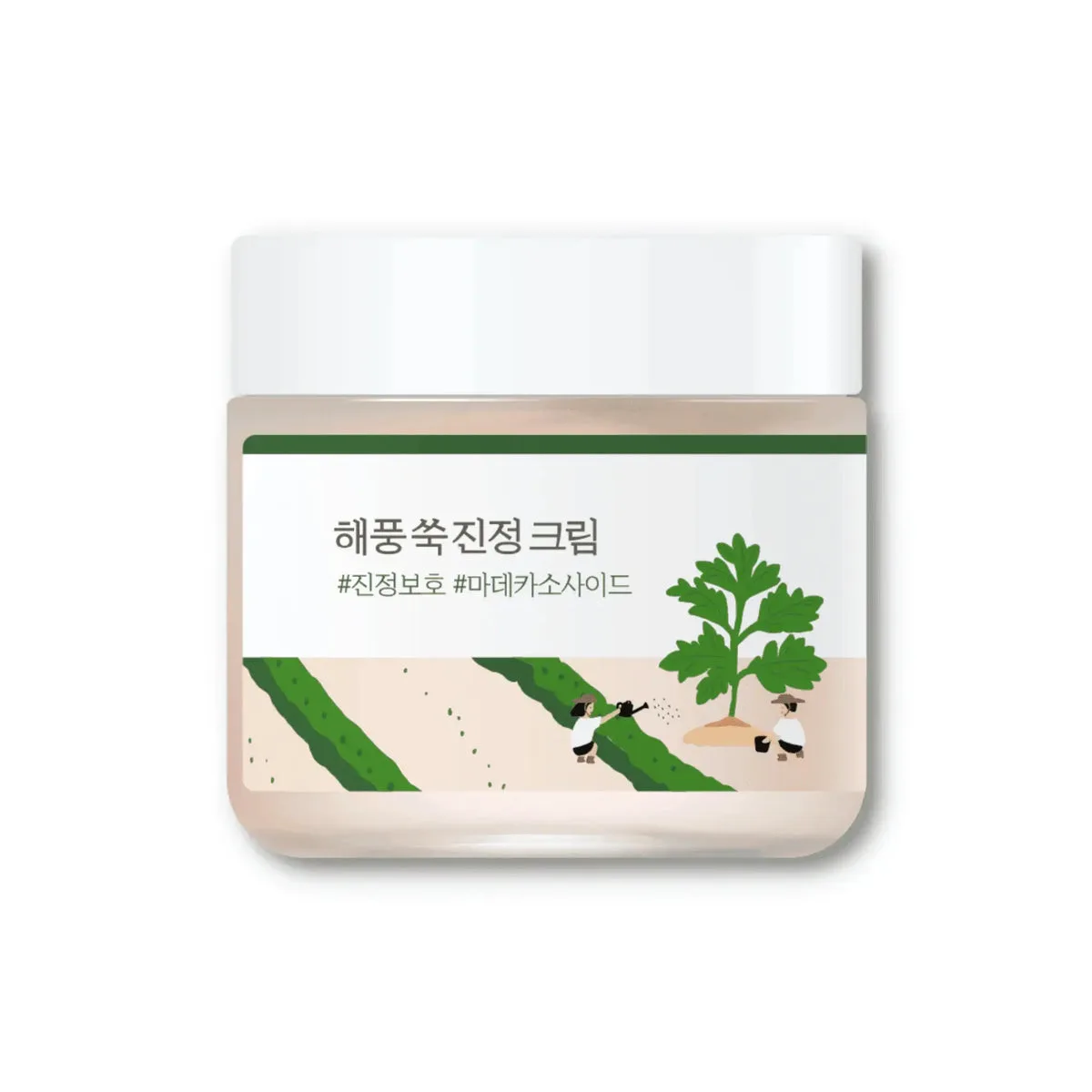


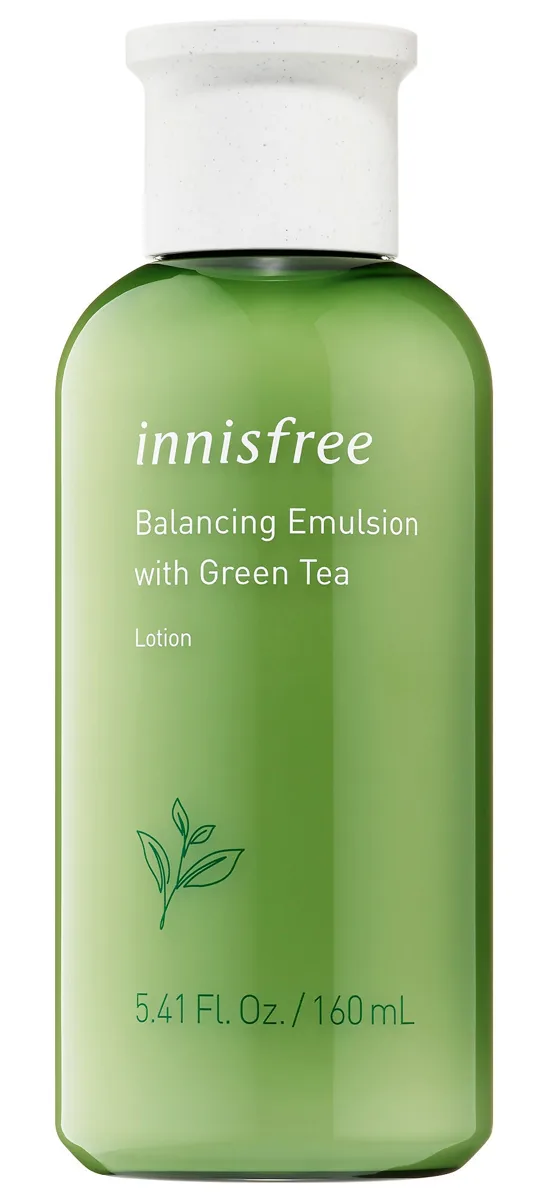


How to Choose
The best oil-free moisturizer hydrates your skin entirely through humectants and water-binding ingredients rather than oils or butters — which means "oil-free" and "barely moisturizing" are not the same thing, despite a stubborn myth that says otherwise. Your skin gets hydration from two directions: water pulled in by humectants (glycerin, hyaluronic acid, urea, amino acids) and water sealed in by occlusives and emollients, which are often oils.
An oil-free formula simply does the first job without the second, leaning on lightweight, non-greasy ingredients to deliver moisture that absorbs fast and leaves no slick film. That's a genuine advantage if oils feel heavy on you, if you're fungal-acne-prone (malassezia feeds on many facial oils, so oil-free can mean fewer flare-ups), or if you live somewhere humid where a rich cream just sits on top and slides into your sunscreen. The Ordinary's NMF + HA ($7) is a near-perfect example — pure humectants and skin-identical amino acids, nothing oily — while gel textures like Isntree's Aloe Soothing Gel ($16) or Benton's Centella Gel ($22) deliver featherweight hydration that suits oily and reactive skin alike. The honest caveat: if your skin is genuinely dry or your barrier is compromised, an oil-free moisturizer may not seal in enough moisture on its own, and you'll want a richer occlusive layer at night. Oil-free is a texture preference and an acne-friendly choice — not a universal upgrade. At $7 to $55, the lightweight picks punch well above their price.
Buying Guide
Start by reading "oil-free" for what it actually is: a formula that hydrates without oils or butters, not necessarily a low-moisture one. The ingredients doing the work should be humectants — glycerin, hyaluronic acid, sodium PCA, urea, panthenol — plus soothing actives like centella, aloe, or beta-glucan. Texture is the main decision: water-gels and lotions (Isntree's aloe gel, The Ordinary's NMF) feel lightest and absorb cleanest for oily, combination, or fungal-acne-prone skin, while a slightly richer oil-free cream suits combination skin that wants a touch more cushion. If breakouts are a concern, also check for "non-comedogenic," and if you specifically deal with fungal acne, scan for fatty acids and esters that can feed malassezia even in an oil-free base. Don't assume oil-free means it'll dry you out — many of the best are loaded with hydration — but do recognize its limit: very dry or barrier-damaged skin usually needs an occlusive step on top to lock that moisture in. Price isn't the differentiator here; a $7 or $12 formula competes directly with the $30 ones on this list.
Frequently Asked Questions
Does an oil-free moisturizer mean my skin won't get enough moisture?
No — oil-free moisturizers hydrate through humectants like hyaluronic acid, glycerin, and amino acids rather than oils, so they can deliver plenty of moisture without any grease. The trade-off is that they're lighter on occlusives, the ingredients that seal water in, so very dry or compromised skin may need an additional richer layer. For normal, oily, or combination skin, a good oil-free formula is fully sufficient.
Who should use an oil-free moisturizer?
Oil-free moisturizers are ideal for oily, combination, and acne-prone skin, anyone who finds richer creams heavy or pore-clogging, and people in humid climates where occlusive layers feel suffocating. They're also a smart choice for fungal-acne-prone skin, since the malassezia yeast behind it feeds on many facial oils. Dry or mature skin can use them but may want extra occlusion at night.
Are oil-free moisturizers better for acne?
Often, yes — choosing oil-free and non-comedogenic reduces the chance of pore-clogging and feels more comfortable on oily, breakout-prone skin. They also pair well with drying acne actives like benzoyl peroxide and retinoids by replacing lost hydration without adding heaviness. That said, "oil-free" alone doesn't guarantee non-comedogenic, so check for that label too.
Is an oil-free moisturizer good for fungal acne?
It's a strong starting point, because the malassezia yeast that causes fungal acne metabolizes many oils and fatty acids. But "oil-free" doesn't automatically make a product fungal-acne-safe — some oil-free formulas still contain esters, polysorbates, or fatty acids that feed the yeast. If fungal acne is your concern, cross-check the full ingredient list against a malassezia-safe reference rather than relying on the oil-free label alone.
What ingredients should an oil-free moisturizer have to keep skin hydrated?
Look for humectants — glycerin, hyaluronic acid, sodium PCA, urea, and amino acids — which draw and bind water in the skin, plus soothing, barrier-supporting ingredients like panthenol, centella, beta-glucan, or niacinamide. These deliver real, lasting hydration with no oily residue. Layering a humectant-rich oil-free gel under your other products also helps water stay put without any heavy feel.