Best Moisturizers Under $25
Updated September 2026 · independently researched, no sponsored placements
Our top 40 picks, ranked from 521 reviewed products — ordered by how well each product does its category’s job.













How to Choose
The best moisturizer under $25 will out-perform plenty of luxury creams costing four times as much, because barrier-repair ingredients are cheap to formulate and the drugstore aisle has fully caught on. A moisturizer has one core job: keep water in your skin.
It does that with humectants that attract moisture (glycerin, hyaluronic acid), emollients that smooth the surface, and occlusives that seal everything in — and none of those workhorses cost much. What you're often paying extra for at the high end is fragrance, packaging, and a marketing story, not better hydration. 3% Ceramide cream ($9), Revolution's ceramide cream ($12), and Geek & Gorgeous's Stress Less ($12) all deliver real barrier support for pocket change. Look for the lipid trio — ceramides, cholesterol, fatty acids — plus humectants, and you've got the formula that matters. The traps to avoid in budget land are denatured alcohol high on the list (drying), heavy added fragrance (a needless irritant), and "hydrating" claims backed only by water and slip agents. The one honest caveat: cheap doesn't mean right for your skin type — an oily face and a parched, flaking one want different textures even at the same price. Find the formula that suits you, and the savings are pure upside. At $5 to $25, there's no reason to overspend to keep your barrier happy.
Buying Guide
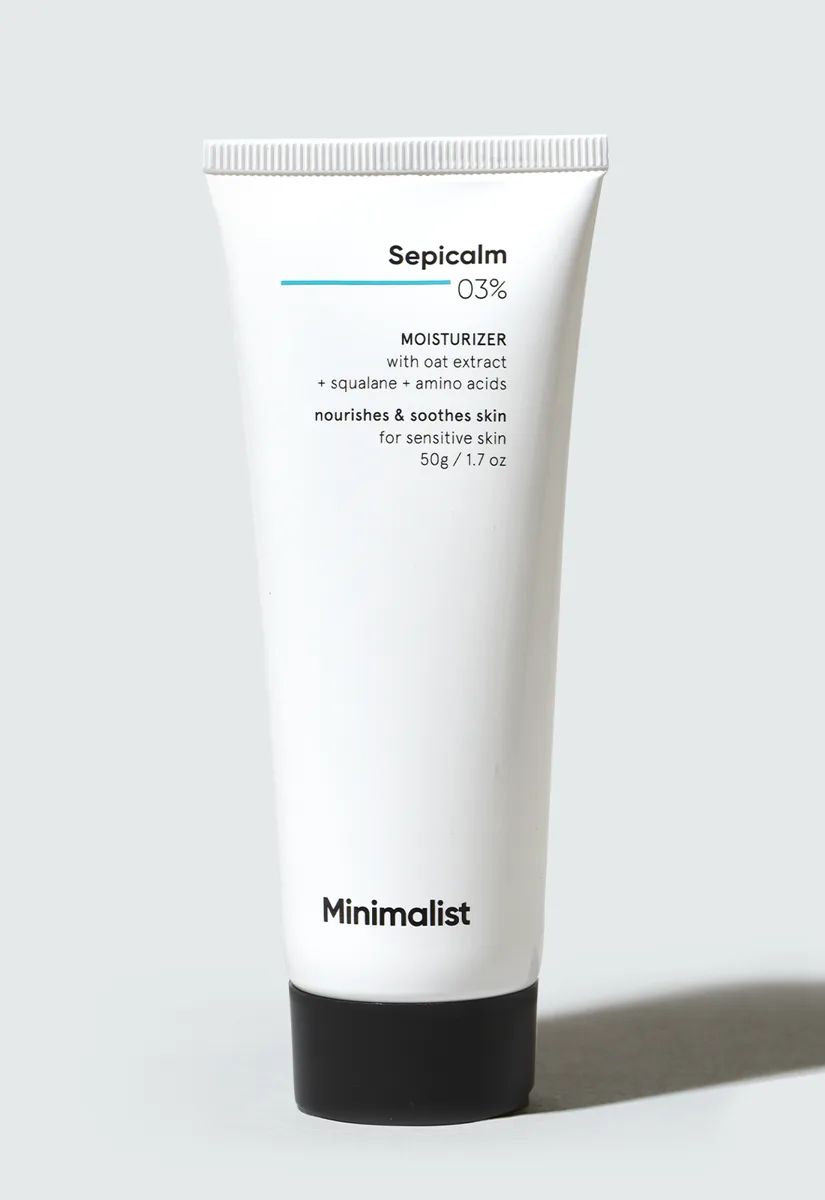
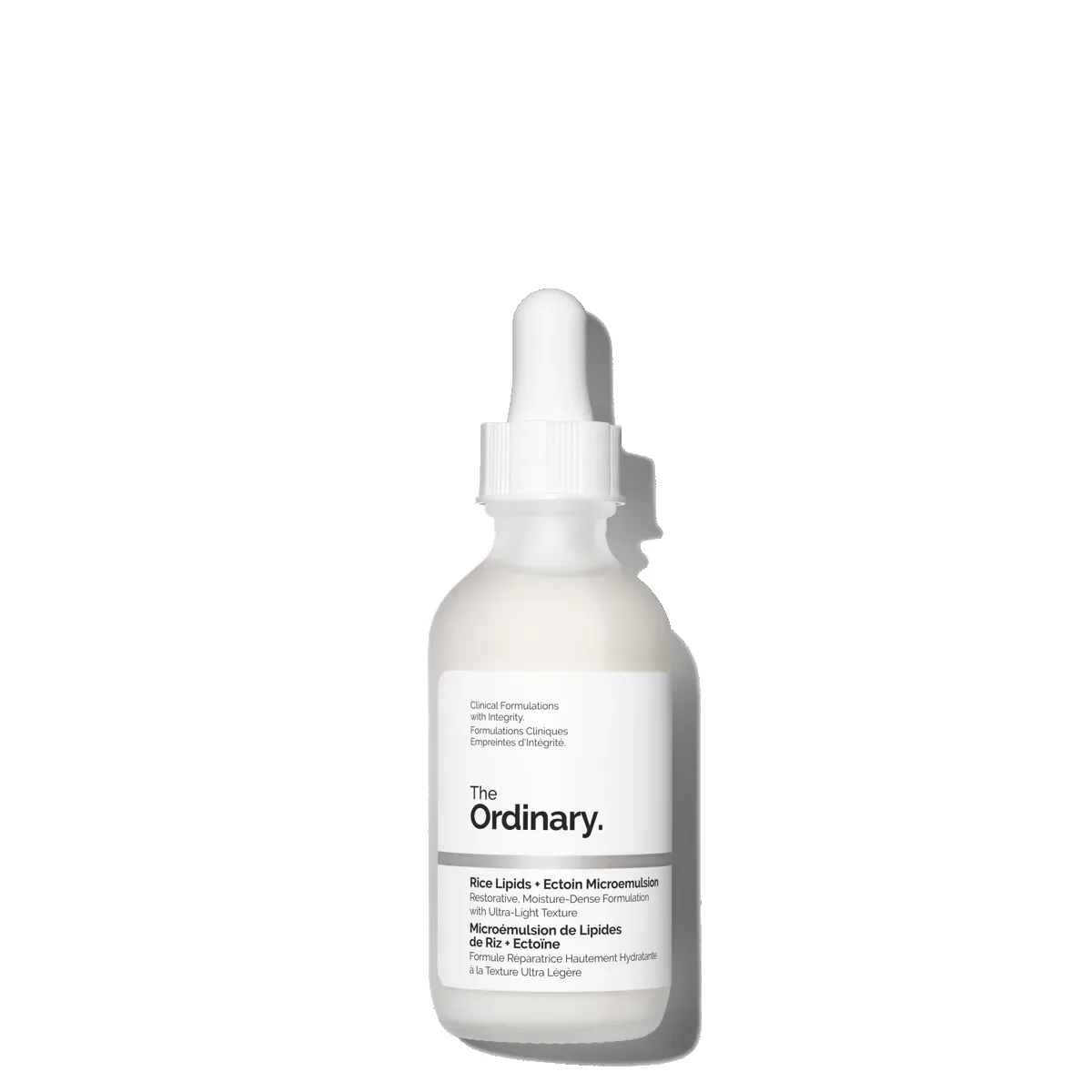
Judge a budget moisturizer by its actives, not its price tag — and the good news is the best ones are transparent about them. The gold-standard combination for almost any skin is the barrier trio (ceramides, cholesterol, fatty acids) plus humectants like glycerin and hyaluronic acid; CeraVe, Minimalist, and Revolution all nail this for under $20. Match texture to your skin: lightweight lotions and gel-creams for oily or combination skin, richer creams and balms for dry or barrier-compromised skin, with something cushioning like Versed's Rich Barrier Cream when winter hits. Scan the cheap-formula red flags — denatured/SD alcohol near the top of the list, which can dry sensitive skin, and heavy fragrance you don't need. If your skin reacts easily, a fragrance-free, minimalist formula like The Ordinary's Rice-Lipids + Ectoin ($13) is a safer bet than a botanical-loaded one. Don't be swayed by "hydrating" buzzwords with nothing behind them — water and silicones feel nice briefly but don't repair anything. At this price you can afford to use it generously, twice a day, which matters far more than which $9–$20 tub you picked.
Frequently Asked Questions
Are cheap moisturizers as good as expensive ones?
Often, yes — the ingredients that actually moisturize (ceramides, glycerin, hyaluronic acid, petrolatum) are inexpensive, so a well-formulated $9–$20 cream can match or beat a luxury one on performance. What you typically pay more for at the high end is fragrance, packaging, and brand prestige rather than better hydration. Drugstore staples like CeraVe are recommended by dermatologists precisely because they work and cost little.
What should I look for in a budget moisturizer?
Prioritize barrier-repair ingredients — ceramides, cholesterol, and fatty acids — plus humectants like glycerin and hyaluronic acid to draw in water. Avoid formulas with denatured alcohol high on the ingredient list or heavy added fragrance, both of which can irritate. Then match the texture (light lotion vs. rich cream) to your skin type rather than just grabbing the cheapest option.
Can one affordable moisturizer work for my whole face and body?
Many rich budget creams like CeraVe Moisturizing Cream are formulated for both face and body, which makes them excellent value. That said, facial skin is often more reactive and prone to clogging, so if you're acne-prone you may want a lighter, non-comedogenic formula for your face and save the thick cream for your body. For most people, one good barrier cream covers a lot of ground.
Why does my inexpensive moisturizer feel like it stops working by midday?
If a cheap moisturizer fades fast, it's usually heavy on humectants and water but light on the occlusives that seal moisture in — so the hydration evaporates. Look for a formula that pairs humectants with an occlusive like petrolatum, squalane, or shea butter, which holds water in for longer. Applying it to slightly damp skin also helps it last.