Exfoliants That Suit Large Pores
Updated September 2026 · independently researched, no sponsored placements
Our top 19 picks, ranked from 168 reviewed products — ordered by each product's large pores verdict, then evidence strength.
No over-the-counter exfoliant earns a Strong or Good choice for large pores in our verdicts. These are the ones that suit it — companions to treatment, ranked on tolerability and on what they carry, not a recommendation for the concern.






How to Choose
An exfoliant can't shrink your pores — nothing can change their genetically set size — but regular exfoliation is the single best lever for keeping them from looking bigger than they are. Here's the mechanism: a pore appears enlarged mainly when it fills with sebum and dead skin, which physically stretches the opening and casts a dark shadow.
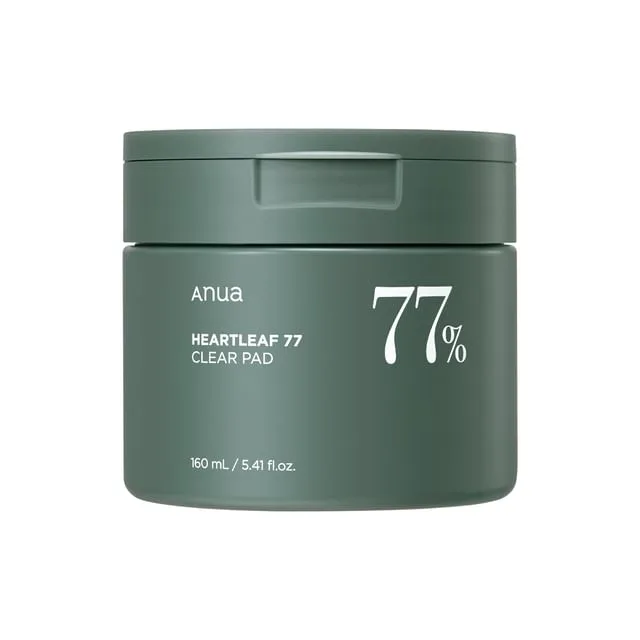
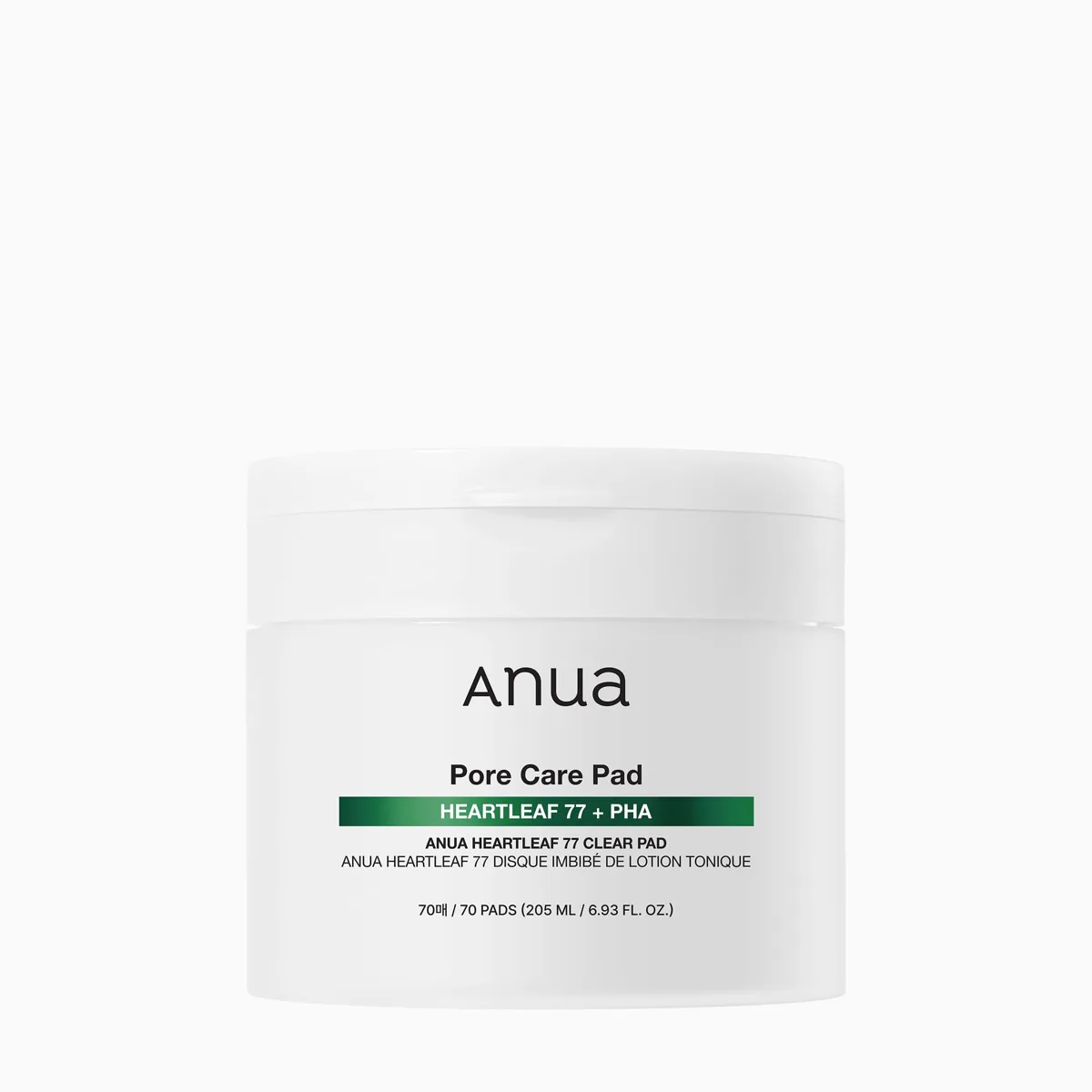
Keep that pore consistently empty and it relaxes back toward its true size, reading as visibly smaller and smoother. Exfoliation is how you keep it empty. Salicylic acid (BHA) is the heavy lifter because it's oil-soluble and clears the clog from inside the pore, while a gentle AHA like mandelic or glycolic smooths the rough surrounding surface so light reflects evenly instead of pooling in every dip. The smartest pore exfoliants combine both — Geek & Gorgeous's Mandelic + Salicylic ($12) is a great-value example — and many add niacinamide to regulate the oil that re-clogs pores in the first place (Isntree's Chestnut AHA 8% Essence, $23). For sensitive skin, a PHA-buffered pad (Anua Heartleaf 77%, $22) refines without irritation. The traps are the usual ones: pore strips and gritty scrubs that inflame without clearing, and over-exfoliating, which strips the barrier, spikes oil, and makes pores look worse. The honest caveat: this is refinement, not resizing, and the effect fades if you stop — pores re-clog and stretch again. Exfoliate two or three times a week, regulate oil, wear sunscreen to protect the collagen that keeps pores tight, and they'll stay quietly in the background.
Buying Guide
Reach for a dual-acid approach, since enlarged-looking pores have two surface causes: the clog inside and the rough texture around the opening. Salicylic acid (BHA) is essential for clearing the oil-based plug from within the pore, while a gentle AHA — mandelic, glycolic, or lactobionic — smooths the surrounding surface so pores cast less shadow; formulas that combine them (Geek & Gorgeous Cheer Up, Some By Mi Truecica) cover both. Niacinamide is a valuable addition because regulating oil keeps pores from re-clogging and re-stretching (Isntree Chestnut AHA). Match strength to tolerance: PHA-buffered pads (Anua Heartleaf, Torriden) refine sensitive skin gently, while stronger AHA/BHA peels suit resilient, oily skin. Avoid pore strips and physical scrubs, which inflame without truly clearing, and don't over-exfoliate — a stripped barrier overproduces oil and makes pores look worse. Use two or three times a week and pair with daily sunscreen, since sun-driven collagen loss is what lets pores sag wider over time. Price isn't the differentiator — a $12 dual-acid exfoliant performs alongside a $90 peel — so choose on the acid blend and your skin's tolerance.
Frequently Asked Questions
Can exfoliating actually make large pores smaller?
Exfoliating can't change a pore's genetic size, but it makes pores look noticeably smaller by clearing the clogs that stretch them open and smoothing the surrounding skin. An empty pore relaxes toward its true size and casts less shadow. The effect is real refinement, but it's maintenance — pores re-clog and look larger again if you stop.
Is BHA or AHA better for minimizing pores?
They address different parts of the problem, so the best results often come from using both. Salicylic acid (BHA) is oil-soluble and clears the clog inside the pore, while AHAs like mandelic or glycolic smooth the rough surface around it. A combined formula tackles the plug and the texture at once for the most visible refinement.
How is exfoliating for large pores different from treating blackheads?
They overlap, since both involve clearing clogged pores with salicylic acid, but the goals differ slightly. Blackhead treatment targets the specific dark, oxidized plugs, while pore-refining exfoliation aims to keep pores empty and the surrounding surface smooth so the overall opening looks smaller. Adding an AHA and niacinamide for surface texture and oil control matters more when the concern is general pore appearance.
How often should I exfoliate to keep pores looking refined?
Two to three times a week is the sweet spot for most skin — enough to keep pores clear without over-stripping. Exfoliating too often damages the barrier and spikes oil production, which ironically makes pores look more prominent. Pair regular exfoliation with daily sunscreen, since protecting collagen helps keep pores from sagging wider over time.