Exfoliants That Suit Keratosis Pilaris
Updated September 2026 · independently researched, no sponsored placements
Our top 12 picks, ranked from 16 reviewed products — ordered by each product's keratosis pilaris verdict, then evidence strength.
No over-the-counter exfoliant earns a Strong or Good choice for keratosis pilaris in our verdicts. These are the ones that suit it — companions to treatment, ranked on tolerability and on what they carry, not a recommendation for the concern.




How to Choose
The best exfoliants for keratosis pilaris treat a plumbing problem, not a dirt problem — those rough little bumps on your arms and thighs are plugs of hardened keratin trapping hairs inside follicles, which is exactly why scrubbing harder never works and often makes the redness worse. KP is genetic and incredibly common, and the goal isn't to scour the bumps off but to chemically dissolve the keratin plugs and soften the skin around them.
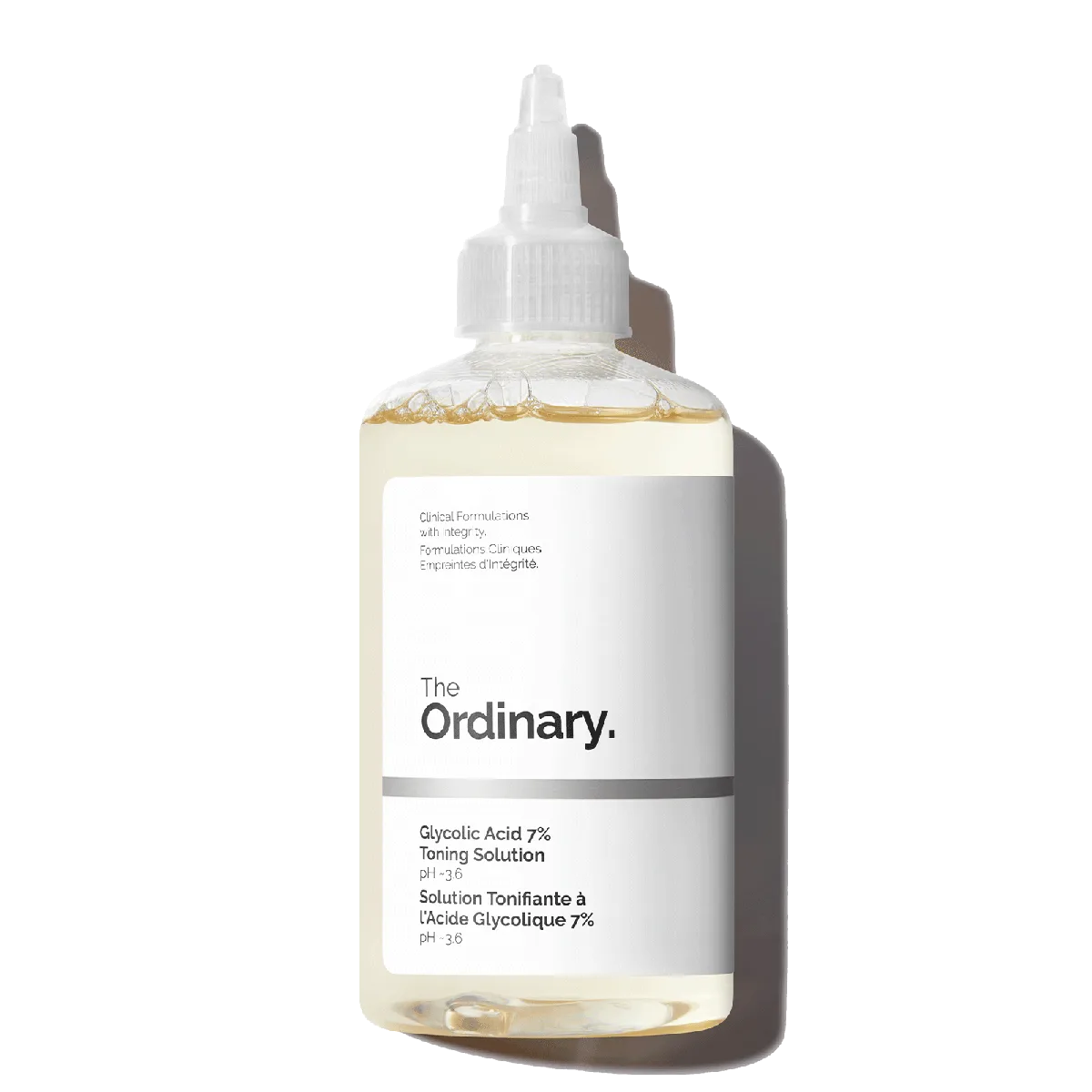
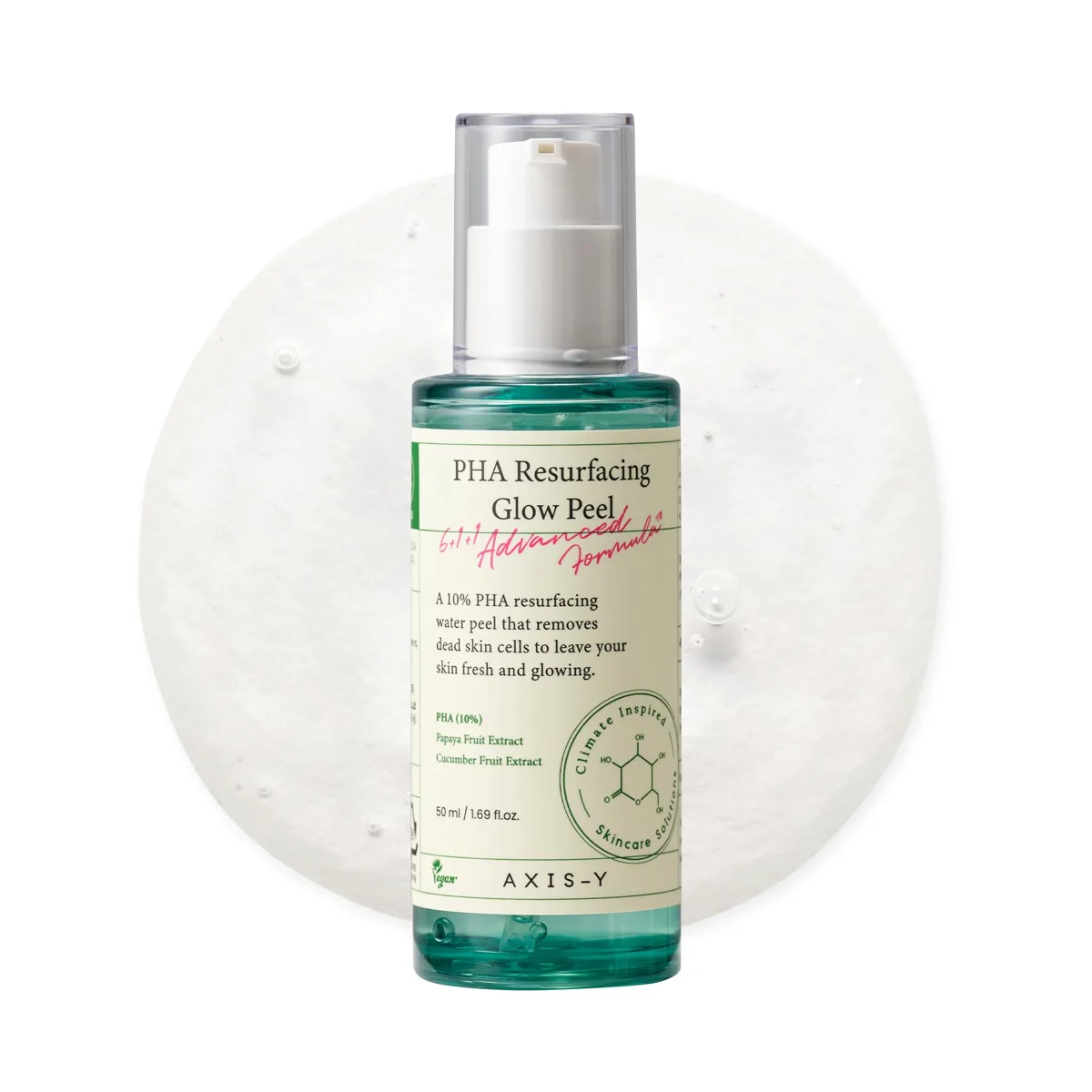
That points to two heroes. Chemical acids, especially lactic and glycolic, break down the keratin buildup and smooth the surface — the affordable Geek & Gorgeous 12% AHA and The Ordinary's $14 Glycolic 7% are easy starting points, while dedicated body formulas like Nécessaire's peel go stronger. The real MVP for KP, though, is urea: it's both keratolytic (it digests the plug) and deeply hydrating, which is why Soft Services Smoothing Solution pairs it with lactic acid. For sensitive or reactive skin that flushes easily, gentler PHAs like gluconolactone (Axis-Y, Torriden, CNP) exfoliate with far less sting. The honest caveat is the one dermatologists always give: KP is chronic, so exfoliation manages it but doesn't cure it — the bumps return within weeks if you stop, and there's no permanent fix. Treat it like brushing your teeth: a lactic-acid or urea formula two or three times a week, paired with daily moisturizing, keeps skin smooth as long as you keep it up. Consistency, not intensity, is what wins here.
Buying Guide
Aim to dissolve keratin, not scrub it. The most effective KP exfoliants use chemical acids — lactic and glycolic (Geek & Gorgeous Smooth Out, The Ordinary Glycolic 7%, Nécessaire The Body Peel) — to break down the follicular plugs, and the standout addition is urea, which both exfoliates and hydrates (Soft Services Smoothing Solution). For sensitive or easily reddened skin, gentler PHAs like gluconolactone (Axis-Y, Torriden, CNP) smooth with minimal irritation. Avoid harsh physical scrubs, which aggravate the inflammation that often accompanies KP. Pair whatever you choose with a rich, ongoing moisturizer, since hydration is half the battle. Price runs $14 to $65, and budget acids perform well, so spend based on whether you want a targeted body peel or a gentle daily formula. Above all, plan for maintenance — KP is chronic, so steady two-or-three-times-weekly use beats occasional aggressive treatment.
Frequently Asked Questions
What kind of exfoliant works best for keratosis pilaris?
Chemical exfoliants work far better than scrubs for KP — lactic and glycolic acids dissolve the keratin plugs causing the bumps, while urea both exfoliates and hydrates the skin. Look for formulas combining these, like Soft Services Smoothing Solution or a lactic-acid body peel. Physical scrubbing only irritates the skin without clearing the underlying plugs.
Can keratosis pilaris be cured permanently?
No — KP is a genetic, chronic condition, so exfoliation manages and smooths it but doesn't cure it, and the bumps return within weeks if you stop treating. The realistic goal is ongoing maintenance rather than a permanent fix. Many people find it improves with age, and consistent exfoliation plus moisturizing keeps skin noticeably smoother.
Is urea good for keratosis pilaris?
Yes — urea is one of the most useful ingredients for KP because it's keratolytic, meaning it breaks down the hardened keratin plugs, while also acting as a powerful humectant to soften and hydrate. It's often paired with lactic acid, as in Soft Services Smoothing Solution. Concentrations around 10% or higher are typical for body use.
How often should I exfoliate keratosis pilaris?
Two to three times a week is usually ideal — frequent enough to keep keratin from rebuilding, gentle enough to avoid irritating the often-inflamed skin. Over-exfoliating can worsen the redness that accompanies KP. Pair each treatment with daily moisturizing, since hydration works alongside the acids to keep the area smooth.